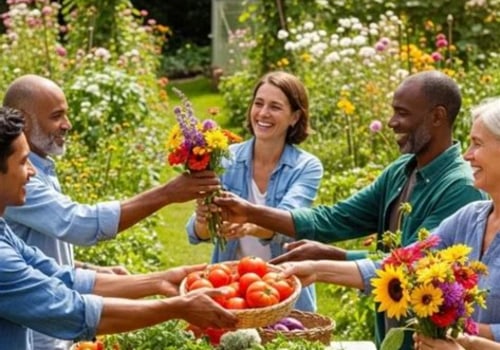
Community gardening is a collaborative effort where individuals come together to cultivate a shared piece of land, transforming it into a vibrant space for growing fruits, vegetables, and flowers. This practice not only promotes sustainable agriculture but also fosters a sense of community among participants. By working side by side, gardeners can share knowledge, resources, and the joy of nurturing plants, creating bonds that extend beyond the garden itself. The definition of community gardening encompasses various forms of gardening initiatives, from small neighborhood plots to larger urban farms. These gardens can be found in both urban and rural settings, often on vacant lots or public land.
They serve multiple purposes: providing fresh produce to local residents, enhancing green spaces, and promoting environmental stewardship. Community gardens are also a platform for education, where individuals can learn about gardening techniques, nutrition, and sustainability practices. As cities continue to grow and green spaces become scarce, community gardening emerges as a vital solution to food insecurity and urban isolation. It empowers individuals to take control of their food sources while encouraging social interaction and collaboration. In essence, community gardening is more than just planting seeds; it is about cultivating relationships and fostering a sense of belonging within the community.
The History of Community Gardening
The concept of community gardening has deep roots that can be traced back to various cultures and societies throughout history.Its origins are often linked to the necessity of food production in urban areas, particularly during times of economic hardship and war.One of the earliest examples of community gardening can be found in the United States during the 1890s. As cities expanded and populations grew, many urban dwellers faced food scarcity. In response, local governments and organizations began to establish communal plots where residents could grow their own fruits and vegetables. These early gardens not only provided sustenance but also fostered a sense of community among neighbors.During World War I and II, the concept gained further traction as governments encouraged citizens to plant victory gardens.
These gardens were seen as a patriotic duty, helping to alleviate food shortages while promoting self-sufficiency. The success of these initiatives highlighted the importance of community involvement in food production.In the 1970s, the modern community gardening movement began to take shape, driven by a growing awareness of environmental issues and a desire for sustainable living. Urban planners and activists recognized the potential of vacant lots and underutilized spaces as sites for community gardens. This period saw an increase in grassroots efforts to reclaim land for communal use, leading to a resurgence in interest in local food systems.Today, community gardening continues to evolve, reflecting contemporary social issues such as food justice, urban agriculture, and environmental sustainability.
These gardens serve not only as sources of fresh produce but also as vital spaces for education, cultural exchange, and community building.Understanding the history of community gardening allows us to appreciate its significance in modern society. It is a testament to human resilience and collaboration, demonstrating how communities can come together to address challenges while fostering connections among individuals.
How to Start a Community Garden
Starting a community garden can be a rewarding endeavor that fosters community spirit and promotes sustainable practices. Here’s a step-by-step guide to help you initiate your own community garden project.- Gather Interest: Begin by reaching out to your neighbors and local community members to gauge interest. You can host an informal meeting or create a survey to understand who would like to participate.
- Form a Planning Committee: Once you have a group of interested individuals, form a planning committee.
This team will be responsible for making decisions, organizing meetings, and overseeing the garden's development.
- Choose a Location: Identify potential sites for your garden. Look for vacant lots, parks, or schoolyards that may be available for use. Ensure the location has adequate sunlight, water access, and is safe for community members.
- Obtain Permissions: Contact local authorities or landowners to secure permission for using the chosen site. You may need to fill out applications or provide details about your project.
- Design the Garden: Collaborate with your committee to design the layout of the garden.
Consider factors such as plot sizes, pathways, and communal areas. It’s essential to create a plan that accommodates all participants.
- Gather Resources: Collect necessary resources such as soil, seeds, tools, and fencing. You can seek donations from local businesses or apply for grants aimed at community gardening initiatives.
- Organize Workdays: Schedule regular workdays where community members can come together to prepare the site, plant seeds, and maintain the garden. This not only helps in establishing the garden but also strengthens community bonds.
- Create Guidelines: Develop clear guidelines regarding plot ownership, maintenance responsibilities, and rules for communal areas.
This will help prevent conflicts and ensure everyone is on the same page.
- Celebrate Your Success: Once your garden is up and running, host events to celebrate milestones. This could include harvest festivals or workshops on gardening techniques, which will keep the community engaged and motivated.
Common Challenges in Community Gardening
Community gardening can be a rewarding endeavor, but it is not without its challenges. Understanding these issues is crucial for anyone looking to start or maintain a community garden.Funding Issues
One of the most significant challenges faced by community gardens is securing funding. Many gardens rely on donations, grants, or local government support, which can be inconsistent.Without adequate financial resources, gardens may struggle to purchase necessary supplies such as seeds, tools, and soil amendments. Additionally, ongoing costs for water and maintenance can strain budgets.
Maintenance and Upkeep
Another common issue is the maintenance of the garden itself. Community gardens often depend on volunteers for upkeep, which can lead to uneven levels of care. Some plots may flourish while others become overgrown or neglected.Establishing a clear maintenance schedule and assigning responsibilities can help mitigate this problem.
Community Engagement
Community engagement is vital for the success of any community garden. However, attracting and retaining volunteers can be challenging. Factors such as differing schedules, lack of interest, or even interpersonal conflicts can hinder participation. To foster a sense of ownership and commitment among members, it’s essential to create an inclusive environment where everyone feels valued and heard.Environmental Factors
Environmental challenges also play a role in the sustainability of community gardens.Issues such as poor soil quality, limited sunlight, or adverse weather conditions can impact plant growth and overall productivity. Conducting soil tests and selecting appropriate plants for the local climate can help address these concerns.By recognizing these common challenges in community gardening—funding, maintenance, community engagement, and environmental factors—gardeners can develop realistic expectations and implement effective solutions to ensure their gardens thrive.
Successful Community Garden Examples
Community gardening has flourished in various regions, showcasing the power of collaboration and sustainability. Here are some notable examples that highlight the diversity and impact of successful community gardens.1.The Incredible Edible Project - Todmorden, UK
This pioneering initiative began in 2008, transforming public spaces into edible landscapes. Residents planted fruits, vegetables, and herbs throughout the town, encouraging community engagement and promoting local food production.The project has inspired similar movements worldwide, demonstrating how community gardening can enhance food security and foster a sense of belonging.
2.The Garden of Hope - Los Angeles, CA
Located in a historically underserved neighborhood, the Garden of Hope serves as a sanctuary for local residents. This garden not only provides fresh produce but also offers educational workshops on sustainable gardening practices. By empowering community members with knowledge and resources, it has become a model for urban community gardening initiatives.3.The Green Thumb Program - New York City, NY
The Green Thumb Program supports over 600 community gardens across New York City. These gardens are managed by local groups who cultivate diverse crops while also creating green spaces for recreation and social interaction.This program exemplifies how community gardening can revitalize urban areas and strengthen neighborhood ties.
4.The Edible Schoolyard Project - Berkeley, CA
This innovative program integrates gardening into school curricula, allowing students to learn about nutrition and sustainability hands-on. The Edible Schoolyard not only teaches children about growing food but also emphasizes the importance of community involvement in gardening projects. It has inspired similar programs in schools across the nation.These examples illustrate that successful community gardens can take many forms, each tailored to meet the unique needs of their communities. By learning from these initiatives, aspiring gardeners can develop their own projects that promote sustainability, education, and community cohesion.Community Gardening and Sustainability
Community gardening plays a pivotal role in promoting sustainability and enhancing the environmental health of urban areas.By transforming vacant lots and underutilized spaces into vibrant gardens, these initiatives not only beautify neighborhoods but also contribute significantly to local ecosystems.One of the primary benefits of community gardening is its ability to reduce carbon footprints. By growing food locally, community gardens minimize the need for transportation, which is a major contributor to greenhouse gas emissions. This localized food production helps in creating a more sustainable food system that is less reliant on industrial agriculture.Additionally, community gardens foster biodiversity. They provide habitats for various species, including pollinators like bees and butterflies, which are essential for the health of our ecosystems.
The diverse plant life found in these gardens can also support a range of wildlife, contributing to a balanced environment.Moreover, community gardens promote soil health through organic gardening practices. Many community gardeners utilize composting and natural pest control methods, which enhance soil fertility and reduce the need for chemical fertilizers and pesticides. This not only leads to healthier plants but also protects local waterways from runoff pollution.In terms of social sustainability, community gardens serve as gathering places that strengthen community ties. They encourage collaboration among residents, fostering a sense of ownership and responsibility towards the environment.
This social aspect is crucial for building resilient communities that are better equipped to tackle environmental challenges.In conclusion, the relationship between community gardening and sustainability is profound. These gardens not only provide fresh produce but also contribute to environmental health by promoting biodiversity, reducing carbon emissions, and enhancing soil quality. As more communities embrace gardening initiatives, they pave the way for a more sustainable future.
FAQs About Community Gardening
Community gardening is a growing trend that brings people together to cultivate plants, share resources, and foster a sense of community. Here are some frequently asked questions about community gardening:- What is community gardening?
Community gardening involves a group of individuals coming together to manage a shared garden space.Participants can grow vegetables, fruits, flowers, and herbs, often in urban areas where access to land is limited.
- How do I start a community garden?
To start a community garden, gather interested individuals and identify a suitable location. Secure permissions from landowners or local authorities, and then plan the layout and types of plants to grow. Organizing regular meetings can help maintain enthusiasm and commitment. - What are the benefits of community gardening?
Community gardening offers numerous benefits, including access to fresh produce, improved mental health through social interaction, and enhanced environmental awareness. It also promotes sustainability by encouraging local food production. - Who can participate in community gardening?
Anyone can participate in community gardening! These gardens are often inclusive spaces that welcome individuals of all ages and backgrounds.Some gardens may have specific membership requirements or fees.
- What should I plant in a community garden?
The choice of plants depends on the climate, soil conditions, and the preferences of the gardeners involved. Common choices include tomatoes, peppers, herbs, and various flowers that attract pollinators.
Conclusion: The Future of Community Gardening
In conclusion, community gardening represents a powerful movement that not only fosters local food production but also strengthens community ties. Throughout this article, we have explored the various dimensions of community gardening, from its environmental benefits to its role in promoting social equity and wellness.As urban areas continue to expand and the demand for sustainable practices grows, the future of community gardening looks promising. Here are some key points to consider:- Increased Awareness: More individuals are recognizing the importance of local food systems and the impact of community gardening on food security.
- Policy Support: Local governments are beginning to implement policies that support urban agriculture, making it easier for communities to establish and maintain gardens.
- Technological Integration: Innovations in gardening technology, such as vertical gardens and hydroponics, are making it possible for more people to participate in community gardening, even in limited spaces.
- Educational Opportunities: Community gardens serve as excellent platforms for education, teaching individuals about sustainable practices, nutrition, and environmental stewardship.
As we look ahead, it is essential for communities to embrace this movement, ensuring that everyone has access to green spaces and the opportunity to contribute to their local environment.Ultimately, by investing in community gardening, we are not only nurturing plants but also fostering relationships that can lead to healthier, more resilient communities. The future is bright for those who choose to dig in and grow together.