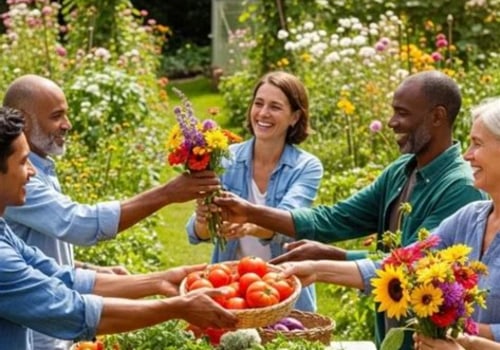
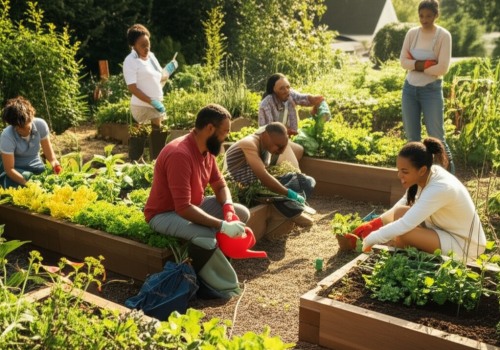
Community gardening is a collaborative effort where individuals come together to cultivate a shared piece of land, transforming it into a vibrant space for growing fruits, vegetables, and flowers. This practice not only enhances the aesthetic appeal of neighborhoods but also fosters a sense of community among participants. By engaging in community gardening, residents can take an active role in their local environment, promoting sustainability and healthy living. The benefits of community gardening extend far beyond the physical produce harvested. These gardens serve as vital green spaces that improve air quality, reduce urban heat, and provide habitats for local wildlife.
Additionally, they offer educational opportunities for individuals of all ages, teaching essential skills such as gardening techniques, nutrition, and environmental stewardship. As people work side by side, they build relationships that strengthen community ties and promote social cohesion. Moreover, community gardening plays a crucial role in addressing food insecurity by providing fresh produce to neighborhoods that may lack access to grocery stores. This initiative not only empowers individuals to take control of their food sources but also encourages healthier eating habits. In essence, community gardening is more than just planting seeds; it is about cultivating connections and nurturing the well-being of entire communities.
The Importance of Volunteers in Community Gardening
Volunteers play a crucial role in the success of community gardening, serving as the backbone of these green initiatives.Their contributions extend beyond mere labor; they foster a sense of community, promote sustainability, and enhance the overall gardening experience.
Roles of Volunteers in Community Gardening
- Planning: Volunteers often participate in the initial planning stages, helping to design garden layouts, select appropriate plants, and establish goals for the garden. Their diverse backgrounds can bring innovative ideas and perspectives that enrich the planning process.
- Planting: During planting season, volunteers are essential for preparing the soil, sowing seeds, and transplanting seedlings. Their hands-on involvement ensures that gardens are established efficiently and effectively.
- Maintenance: Ongoing maintenance is vital for the health of any garden. Volunteers regularly engage in weeding, watering, and pest control, ensuring that plants thrive throughout the growing season.
- Education: Many community gardens serve as educational hubs where volunteers can teach others about gardening techniques, sustainable practices, and nutrition.
This knowledge-sharing fosters a culture of learning and empowerment within the community.
Why Volunteers Are Important
The importance of volunteers in community gardening cannot be overstated. They not only provide the necessary labor but also help build a sense of ownership and pride among community members. When individuals invest their time and effort into a garden, they are more likely to care for it and advocate for its success.
The Impact of Community Gardening Volunteers
The impact of volunteers in community gardening extends beyond the physical garden itself. These efforts can lead to improved mental health, increased social connections, and enhanced food security within neighborhoods.
By working together, volunteers cultivate not just plants but also relationships that strengthen community bonds.In summary, volunteers are indispensable to the success of community gardens. Their roles in planning, planting, maintaining, and educating contribute significantly to creating vibrant green spaces that benefit everyone involved.
Types of Volunteer Roles in Community Gardening
Volunteers play a crucial role in the success of community gardening initiatives, contributing their time and skills in various capacities. Understanding the different types of volunteer roles can help communities effectively organize and maximize their gardening efforts.- Garden Coordinators: These individuals are often the backbone of a community garden. They manage logistics, coordinate volunteer schedules, and ensure that the garden runs smoothly.
Garden coordinators also serve as a point of contact for volunteers, providing guidance and support.
- Educators: Many community gardens incorporate educational programs to teach gardening techniques, sustainability practices, and nutrition. Volunteers in educator roles may lead workshops, organize classes, or provide one-on-one mentoring to new gardeners. Their expertise helps foster a knowledgeable community.
- Maintenance Workers: These volunteers focus on the physical upkeep of the garden. Tasks may include planting, weeding, watering, and harvesting crops.
Maintenance workers ensure that the garden remains healthy and productive throughout the growing season.
- Outreach Volunteers: Outreach volunteers are essential for promoting the garden within the community. They may organize events, distribute flyers, or engage with local schools and organizations to attract new participants. Their efforts help build a strong community presence.
- Fundraising Volunteers: Securing funding is vital for many community gardens. Volunteers in this role may organize fundraising events, apply for grants, or seek donations from local businesses.
Their work ensures that the garden has the necessary resources to thrive.
Benefits of Volunteering in Community Gardens
Volunteering in community gardening offers a multitude of benefits that extend beyond the physical act of planting and harvesting. One of the most significant advantages is the opportunity for personal growth. Volunteers often find themselves stepping out of their comfort zones, learning new skills such as gardening techniques, sustainable practices, and even basic landscaping.This hands-on experience not only enhances their gardening knowledge but also fosters a sense of accomplishment and confidence.Moreover, community gardens serve as a vibrant hub for social interaction. Volunteers come together from diverse backgrounds, creating a rich tapestry of cultures and experiences. This interaction promotes social connections, allowing individuals to forge friendships and build networks that can last a lifetime. The shared goal of nurturing plants and creating a beautiful space fosters teamwork and collaboration, which are essential skills in both personal and professional settings.Additionally, volunteering in community gardens can have profound mental health benefits.
Engaging with nature has been shown to reduce stress, anxiety, and depression. The act of gardening itself is therapeutic; it encourages mindfulness and provides a sense of purpose. Volunteers often report feeling more connected to their community and more fulfilled in their daily lives.In summary, the benefits of volunteering in community gardens are vast. From skill development to enhanced social connections and improved mental well-being, the experience enriches both the individual and the community as a whole.
By participating in these green spaces, volunteers not only contribute to the environment but also cultivate their own personal growth.
Challenges Faced by Volunteers in Community Gardening
Volunteering in community gardening can be a rewarding experience, but it is not without its challenges. Understanding these obstacles is crucial for both current and prospective volunteers to ensure a successful gardening initiative.- Time Commitment: Many volunteers struggle to find the time to dedicate to community gardening projects. Balancing work, family, and other responsibilities can make it difficult to commit to regular gardening hours.
- Skill Levels: Volunteers often come with varying degrees of gardening knowledge. Some may feel intimidated by their lack of experience, which can hinder their participation and confidence.
- Physical Demands: Gardening can be physically demanding, requiring strength and stamina.
Volunteers may face challenges related to physical limitations or health issues that make certain tasks difficult.
- Weather Conditions: Outdoor gardening is subject to the whims of nature. Extreme heat, rain, or cold can deter volunteers from participating, leading to inconsistent attendance.
- Resource Availability: Community gardens often rely on donations and grants for tools, seeds, and other supplies. A lack of resources can limit the scope of projects and discourage volunteer involvement.
- Flexible Scheduling: Offering varied volunteer hours or organizing weekend events can accommodate different schedules and increase participation.
- Training Programs: Providing workshops or mentorship opportunities can help build volunteers' skills and confidence, making them more comfortable in their roles.
- Team-Based Tasks: Encouraging teamwork allows volunteers to support one another, making physically demanding tasks more manageable and fostering a sense of community.
- Weather Preparedness: Having contingency plans for inclement weather, such as indoor activities or rescheduling, can help maintain volunteer engagement.
- Resource Sharing: Collaborating with local businesses or organizations for supplies can alleviate resource shortages and enhance project capabilities.
How to Get Involved as a Volunteer in Community Gardening
Getting involved in community gardening as a volunteer is a rewarding way to contribute to your local environment while also meeting new people. Here are some practical steps to help you find and engage with community gardening initiatives:- Research Local Gardens: Start by searching online for community gardens in your area.
Websites like LocalHarvest or CommunityGarden.org can provide listings of gardens that welcome volunteers.
- Visit Community Centers: Many community centers or local non-profits have information on gardening projects. They often host events or workshops where you can learn more about volunteering opportunities.
- Social Media and Online Groups: Join local gardening groups on platforms like Facebook or Nextdoor. These groups often share volunteer opportunities and upcoming events related to community gardening.
- Attend Gardening Events: Participate in local gardening fairs, workshops, or open garden days. These events are great for networking and discovering how you can get involved.
- Sign Up for Volunteer Days: Many community gardens have designated volunteer days where you can help with planting, weeding, or harvesting.
Check their schedule and sign up!
- Offer Your Skills: If you have specific skills such as landscaping, teaching, or organizing events, reach out to see how you can contribute beyond just physical labor.
- Become a Member: Some community gardens offer membership options that may include volunteering as part of the benefits. This can also provide you with access to resources and training.
Success Stories: Volunteers Making a Difference
Community gardening thrives on the dedication and passion of volunteers who bring their unique skills and perspectives to the soil. These individuals not only cultivate plants but also foster a sense of community, making a lasting impact on their neighborhoods.Case Study: The Green Thumb Initiative
In a bustling urban area, the Green Thumb Initiative has transformed a vacant lot into a vibrant community garden.
Volunteers from diverse backgrounds came together to design and implement this project. One standout volunteer, Maria, a retired teacher, organized workshops for local children, teaching them about sustainable gardening practices. Her efforts not only educated the youth but also instilled a sense of responsibility towards the environment.
Impact Story: The Harvest Festival
Another inspiring example is the annual Harvest Festival organized by volunteers at the Riverside Community Garden. This event showcases the fruits of their labor while promoting local produce.
Volunteers like James, who manages logistics, ensure that everything runs smoothly—from setting up booths to coordinating with local farmers. The festival has become a beloved tradition, drawing in hundreds of attendees and fostering connections among residents.
Volunteer Contributions: A Collective Effort
- Skill Sharing: Volunteers often bring specialized skills such as carpentry or graphic design, enhancing the garden's infrastructure and outreach.
- Community Engagement: By hosting events and workshops, volunteers create opportunities for community members to engage with one another and learn about gardening.
- Sustainability Practices: Many volunteers advocate for eco-friendly practices, ensuring that the gardens are not only productive but also sustainable for future generations.
FAQs About Volunteering in Community Gardening
Volunteering in community gardening can be a rewarding experience, but potential volunteers often have questions about what to expect. Here are some frequently asked questions:- What skills do I need to volunteer?
No specific skills are required to volunteer in community gardening.Most projects welcome individuals of all skill levels, from beginners to experienced gardeners. Basic knowledge of gardening can be helpful, but many organizations provide training and guidance.
- How much time do I need to commit?
The time commitment varies by project. Some gardens may require regular weekly attendance, while others may have one-time events or seasonal activities. It’s best to check with the specific community gardening group for their expectations. - What will I be doing as a volunteer?
Volunteer tasks can include planting, weeding, watering, harvesting, and maintaining garden tools.You may also participate in educational workshops or community events that promote the benefits of community gardening.
- Do I need to bring my own tools?
Many community gardening projects provide tools and supplies for volunteers. However, it’s a good idea to check in advance if you should bring anything specific, such as gloves or personal tools. - Is there an age requirement for volunteers?
Age requirements vary by organization. Some gardens welcome children with adult supervision, while others may have minimum age limits. Always confirm with the project coordinator.
They are often eager to provide information and help you get started on your gardening journey!.