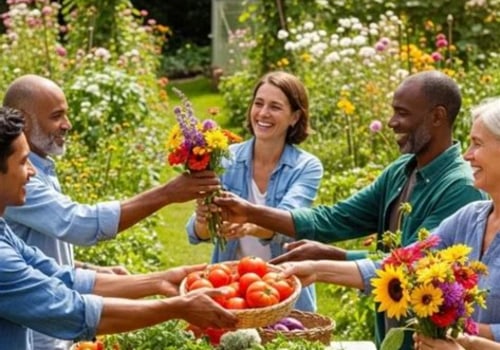
Community gardening is a collaborative effort where individuals come together to cultivate a shared piece of land, transforming it into a vibrant space for growing food, flowers, and fostering community spirit. This practice not only provides access to fresh produce but also serves as a platform for social interaction, education, and environmental stewardship. In essence, community gardening is about more than just planting seeds; it’s about sowing the seeds of connection among neighbors and building a sense of belonging. The definition of community gardening can vary widely, encompassing everything from small plots in urban neighborhoods to larger agricultural initiatives in rural areas. Regardless of the scale, the core principle remains the same: individuals unite to cultivate land that benefits everyone involved.
This collective approach not only enhances food security but also promotes sustainable practices that can lead to healthier ecosystems. As we delve deeper into the topic, it becomes clear that the benefits of community gardening extend far beyond the physical act of gardening. Participants often experience improved mental health, increased physical activity, and a greater understanding of nutrition. Moreover, these gardens can serve as educational hubs where individuals learn about sustainable agriculture and environmental conservation. By engaging in community gardening, people not only reap the rewards of their labor but also contribute to a more resilient and connected community.
Enhancing Food Security
Community gardening plays a pivotal role in enhancing food security within local neighborhoods, particularly in areas known as food deserts.These are regions where access to affordable and nutritious food is limited, often leading to poor dietary choices and health issues. By establishing community gardens, residents can cultivate their own fresh produce, which directly addresses the lack of healthy food options.One of the primary benefits of community gardens is their ability to improve food access. When individuals have the opportunity to grow their own fruits and vegetables, they gain not only a source of fresh food but also a sense of empowerment and community involvement. This collective effort fosters a spirit of collaboration among neighbors, as they share knowledge, resources, and the fruits of their labor.
- Increased Availability: Community gardens provide a consistent supply of fresh produce, which can significantly reduce reliance on processed foods that are often more readily available in food deserts.
- Cost-Effective Solutions: Growing food in a community garden can lower grocery bills for families, making healthy eating more affordable.
- Nutritional Education: Many community gardens offer workshops and programs that educate participants about nutrition and sustainable gardening practices, further enhancing food security.
As these gardens flourish, they can lead to the establishment of farmers' markets or local co-ops that provide even greater access to fresh produce. This not only strengthens the local food supply but also encourages sustainable practices that benefit the environment.In summary, community gardening is a powerful tool for improving food security. By providing access to fresh produce, fostering community engagement, and promoting sustainable practices, these gardens play an essential role in building healthier communities.
Promoting Community Engagement and Social Cohesion
Community gardening serves as a powerful catalyst for community engagement, bringing together individuals from diverse backgrounds to collaborate on a shared goal. By participating in a community garden, residents not only cultivate plants but also cultivate relationships, fostering a sense of belonging and mutual support.One of the most significant social benefits of community gardens is the opportunity they provide for neighbors to interact.As people work side by side, they share gardening tips, exchange recipes, and discuss their lives, which helps break down barriers and build trust. This interaction can lead to lasting friendships and a stronger community network.
- Shared Responsibility: Community gardens require collective effort, encouraging participants to take ownership of their plots and the overall garden space. This shared responsibility fosters teamwork and collaboration.
- Inclusive Environment: Community gardens often attract individuals from various age groups, cultures, and socioeconomic backgrounds. This diversity enriches the gardening experience and promotes understanding among neighbors.
- Events and Activities: Many community gardens host events such as potlucks, workshops, and seasonal celebrations.
These gatherings not only enhance social ties but also create opportunities for learning and skill-sharing.
Environmental Benefits of Community Gardening
Community gardening offers a multitude of environmental benefits that extend beyond the individual gardener to the broader ecosystem.One of the most significant impacts is the promotion of biodiversity. By cultivating a variety of plants, community gardens create habitats for numerous species, including pollinators like bees and butterflies, as well as birds and beneficial insects. This diversity not only supports wildlife but also enhances the resilience of the garden itself against pests and diseases.Moreover, community gardens play a crucial role in improving air quality. Plants absorb carbon dioxide and release oxygen, contributing to cleaner air in urban areas where pollution levels can be high.
The greenery in these gardens acts as a natural filter, capturing dust, smoke, and other pollutants, which is particularly beneficial in densely populated neighborhoods.Another important aspect of community gardening is its emphasis on sustainability. Many community gardens adopt organic practices that minimize the use of synthetic fertilizers and pesticides. This not only protects the local soil and water supply but also promotes healthier food options for the community. Additionally, by utilizing composting techniques, gardeners can recycle organic waste, reducing landfill contributions and enriching the soil.Furthermore, community gardens often implement water conservation strategies such as rainwater harvesting and drip irrigation systems.
These practices not only ensure that plants receive adequate moisture but also help to mitigate runoff and erosion, preserving local waterways.In summary, the environmental benefits of community gardening are profound. From fostering biodiversity and improving air quality to promoting sustainable practices and conserving water, these gardens serve as vital green spaces that enhance both ecological health and community well-being.
Health Benefits Associated with Community Gardening
Engaging in community gardening offers a multitude of health benefits that extend beyond the simple act of planting and harvesting. One of the most significant advantages is the increase in physical activity. Gardening tasks such as digging, planting, weeding, and watering require various levels of physical exertion, which can contribute to improved cardiovascular health, increased strength, and enhanced flexibility.Regular participation in these activities can help combat sedentary lifestyles, making community gardens an excellent venue for individuals of all ages to stay active.Moreover, the social aspect of community gardening fosters a sense of belonging and connection among participants. This social interaction can lead to improved mental health, as working alongside others provides opportunities for friendship and support. Studies have shown that spending time in nature and engaging in gardening activities can reduce symptoms of anxiety and depression. The act of nurturing plants can also instill a sense of purpose and accomplishment, further enhancing emotional well-being.In addition to physical and mental health benefits, community gardens often promote healthier eating habits.
Participants are more likely to consume fresh fruits and vegetables that they have grown themselves, leading to better nutrition and overall health. This access to fresh produce can be particularly beneficial in urban areas where healthy food options may be limited.In summary, the health benefits associated with community gardening are profound. From increased physical activity to improved mental well-being and better nutrition, these gardens serve as vital resources for enhancing the quality of life within communities.
Educational Opportunities Through Community Gardens
Community gardens are not just spaces for growing food; they are vibrant educational platforms that foster learning and skill development for individuals of all ages. These gardens provide a unique opportunity to engage with nature while acquiring valuable knowledge about gardening, nutrition, and environmental stewardship.Teaching Kids About Gardening
- Community gardens often host programs specifically designed for children, where they can learn the basics of planting, caring for, and harvesting crops.
- Through hands-on experiences, kids develop a sense of responsibility and an appreciation for where their food comes from.
- These programs can also incorporate lessons on the importance of biodiversity and the role of insects and pollinators in the ecosystem.
Workshops in Community Gardens
- Many community gardens offer workshops that cover a range of topics, from organic gardening techniques to composting and sustainable practices.
- These workshops are often led by experienced gardeners or local experts, providing participants with practical skills they can apply in their own gardens.
- Additionally, workshops can address nutrition education, teaching participants how to prepare healthy meals using fresh produce from the garden.
Gardeners share their experiences and knowledge, creating a rich tapestry of information that benefits everyone involved. This communal approach not only enhances individual skills but also strengthens community bonds.In summary, community gardens serve as essential educational resources that empower individuals to cultivate their own food while fostering a deeper understanding of environmental issues. By participating in these gardens, people gain practical skills that promote healthier lifestyles and sustainable practices.
Challenges and Solutions in Community Gardening
Community gardening can be a rewarding endeavor, but it is not without its challenges. Understanding these obstacles and implementing effective solutions is crucial for the success and sustainability of community gardens.Common Challenges
- Resource Management: Limited access to water, soil quality issues, and inadequate tools can hinder gardening efforts.
- Conflict Resolution: Disagreements among members regarding garden management, crop selection, and responsibilities can create tension.
- Pest Control: Community gardens often attract pests that can damage crops, leading to frustration among gardeners.
- Seasonal Variability: Weather conditions can affect planting schedules and crop yields, making planning difficult.
Solutions for Success
- Resource Sharing: Establish a system for sharing tools and resources among members.
This can include organizing tool libraries or collective purchasing of supplies.
- Conflict Mediation: Create clear guidelines for communication and decision-making within the garden community. Regular meetings can help address concerns before they escalate.
- Pest Management Strategies: Implement organic pest control methods, such as companion planting and natural repellents, to minimize damage while maintaining a healthy ecosystem.
- Flexible Planning: Encourage gardeners to adopt flexible planting schedules that account for seasonal changes. Utilizing season-extending techniques like row covers can also help mitigate weather-related challenges.
Getting Involved: How to Start or Join a Community Garden
Getting involved in community gardening can be a rewarding experience, whether you want to start your own garden or join an existing one. Here are some actionable steps to help you get started:How to Start a Community Garden
- Identify a Suitable Location: Look for vacant lots, parks, or other public spaces that can be transformed into a garden.
Ensure the site has access to sunlight, water, and good soil.
- Gather Support: Talk to neighbors and local organizations to gauge interest. Form a group of committed individuals who share your vision for the garden.
- Develop a Plan: Create a layout for the garden, including plots for individual gardeners, communal areas, and pathways. Consider what types of plants will thrive in your area.
- Secure Permissions: Contact local authorities or landowners to obtain the necessary permissions to use the land for gardening.
- Fundraising and Resources: Look for grants, donations, or community fundraisers to gather resources for tools, seeds, and soil amendments.
Joining a Community Garden Near You
- Research Local Options: Use online platforms or community boards to find existing gardens in your area. Websites like American Community Gardening Association can be helpful.
- Visit the Garden: Attend open days or community events at the garden to meet current members and understand their gardening practices.
- Inquire About Membership: Ask about available plots, membership fees, and any requirements for joining.
Some gardens may have waiting lists.
Tips for New Gardeners in Communities
- Start Small: If you're new to gardening, begin with a small plot or container gardening to build your confidence.
- Learn from Others: Don’t hesitate to ask experienced gardeners for advice. They can provide valuable insights on what works best in your local climate.
- Participate Actively: Engage in community meetings and volunteer days. This not only helps the garden but also fosters relationships with fellow gardeners.
Conclusion: The Lasting Impact of Community Gardening
In conclusion, community gardening serves as a powerful catalyst for positive change within neighborhoods and beyond.The benefits of engaging in this collective endeavor extend far beyond the simple act of growing food. By fostering a sense of community, these gardens create social ties that strengthen relationships among residents, encouraging collaboration and mutual support.Moreover, community gardening plays a crucial role in enhancing food security. As individuals come together to cultivate their own produce, they gain access to fresh, nutritious food that may otherwise be unavailable or unaffordable. This not only improves individual health but also contributes to the overall well-being of the community.Additionally, the environmental impact of community gardens cannot be overlooked.
These green spaces promote biodiversity, improve air quality, and help mitigate urban heat effects. By transforming vacant lots into vibrant gardens, communities can combat the challenges posed by urbanization and climate change.Finally, the personal benefits of participating in community gardening are profound. Individuals often experience increased mental well-being through physical activity and connection with nature. The act of nurturing plants can be therapeutic, providing a sense of accomplishment and purpose.In summary, the lasting impact of community gardening is evident in its ability to enhance food security, strengthen social bonds, promote environmental health, and improve personal well-being.
As we continue to face challenges related to food access and community cohesion, embracing community gardening offers a sustainable solution that benefits everyone involved.