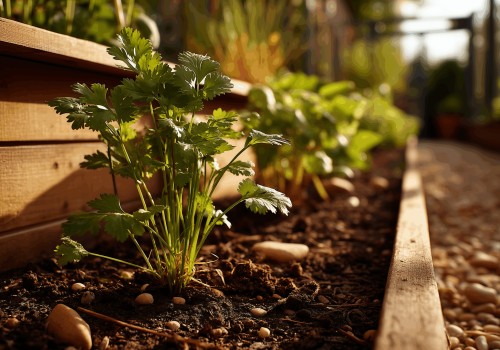
Community gardening is a collaborative effort where individuals come together to cultivate a shared piece of land, transforming it into a vibrant space for growing fruits, vegetables, and flowers. This practice not only fosters a sense of community but also plays a crucial role in enhancing local food systems. By providing access to fresh produce, community gardens can significantly contribute to improving food security in neighborhoods, particularly in urban areas where access to healthy food options may be limited.The concept of community gardening extends beyond mere cultivation; it embodies the spirit of cooperation and sustainability. Participants often share resources, knowledge, and labor, creating a supportive environment that encourages social interaction and community bonding.
As individuals work side by side, they not only learn about gardening techniques but also develop valuable skills that can empower them to take control of their food sources. This collective effort can lead to increased awareness about nutrition and healthy eating habits, further enhancing the overall well-being of the community.Moreover, the benefits of community gardening are multifaceted. Beyond providing fresh produce, these gardens can serve as educational platforms where people of all ages can learn about sustainable practices and the importance of local food systems. They can also act as green spaces that improve the aesthetic appeal of neighborhoods, promote biodiversity, and contribute to environmental sustainability.
In essence, community gardening is not just about growing food; it is about cultivating relationships and building resilient communities that are better equipped to face challenges related to food access and security.
The Link Between Community Gardens and Food Security
Community gardens play a pivotal role in enhancing food security within neighborhoods, particularly in areas that are often classified as food deserts. These gardens not only provide access to fresh produce but also foster a sense of community and self-sufficiency among residents.One of the primary ways community gardens improve food access is by offering a local source of fruits and vegetables. In many urban areas, residents may lack nearby grocery stores that stock fresh produce, leading to reliance on convenience stores that offer limited and often unhealthy options. Community gardens bridge this gap by allowing individuals to grow their own food, ensuring that they have access to nutritious options right in their neighborhoods.- Increased Availability of Fresh Produce: Community gardens can significantly increase the availability of fresh fruits and vegetables, which are essential for a balanced diet.
- Empowerment through Self-Sufficiency: By participating in community gardening, residents gain the skills and knowledge needed to grow their own food, fostering independence from commercial food systems.
- Reduction of Food Insecurity: Access to homegrown produce can alleviate some of the financial burdens associated with purchasing healthy food, thus reducing overall food insecurity.
Workshops and events hosted in these spaces can empower community members with the knowledge they need to make healthier food choices.The social aspect of community gardening cannot be overlooked either. These gardens create a sense of belonging and collaboration among neighbors, which can lead to stronger community ties. When people come together to cultivate a garden, they not only share resources but also build relationships that can enhance overall neighborhood resilience.In summary, community gardens are more than just green spaces; they are vital tools for improving food security. By providing access to fresh produce, fostering self-sufficiency, and building community connections, these gardens play an essential role in creating healthier neighborhoods.
Economic Benefits of Community Gardening
Community gardening offers a multitude of economic benefits that can significantly enhance the financial stability of families and neighborhoods.By providing access to fresh produce, community gardens can lead to substantial cost savings for households. Families that participate in these gardens often find that they can reduce their grocery bills by growing their own fruits and vegetables, which are typically more expensive when purchased from stores.Moreover, community gardens can stimulate local economies. When gardeners grow surplus produce, they have the opportunity to sell it at local farmers' markets or through community-supported agriculture (CSA) programs. This not only provides an additional income stream for individuals but also keeps money circulating within the community, fostering economic resilience.In addition to direct financial benefits, community gardens can also lead to job creation.
As these gardens expand, they may require more volunteers or even paid staff to manage operations, organize events, and maintain the garden space. This creates employment opportunities for local residents, further enhancing the economic landscape of the neighborhood.Furthermore, community gardening can increase property values in the surrounding area. Well-maintained gardens contribute to neighborhood beautification and can attract new residents or businesses looking for a vibrant community. This increase in property values can lead to higher tax revenues for local governments, which can then be reinvested into community services.In summary, the economic impact of community gardening extends beyond individual households.
By fostering cost savings, generating income opportunities, creating jobs, and enhancing property values, community gardens play a crucial role in improving the overall economic health of neighborhoods.
Social Cohesion and Community Building Through Gardening
Community gardens serve as more than just a source of fresh produce; they are vital spaces for social cohesion and community building. By bringing together individuals from diverse backgrounds, these gardens create opportunities for residents to connect, collaborate, and cultivate relationships that extend beyond the garden's borders.Fostering Connections
- Community gardens encourage interaction among neighbors, breaking down barriers and fostering a sense of belonging.
- Shared gardening tasks promote teamwork, allowing participants to learn from one another while working towards a common goal.
- Events such as harvest festivals or planting days provide platforms for social gatherings, enhancing community spirit.
Engaging the Community
- Community gardens often involve local schools and organizations, fostering intergenerational connections and educational opportunities.
- Workshops on sustainable practices or cooking classes can empower residents with knowledge and skills that enhance their food security.
- By involving local stakeholders in decision-making processes, community gardens ensure that the needs and preferences of the neighborhood are met.
This sense of unity not only enhances food access but also cultivates a culture of support and collaboration that can lead to lasting change in the neighborhood.
Environmental Impact of Community Gardens
Community gardening plays a pivotal role in enhancing the environmental sustainability of urban areas. By transforming vacant lots and underutilized spaces into productive gardens, these initiatives not only beautify neighborhoods but also contribute significantly to local ecosystems.Biodiversity Promotion
- Community gardens serve as vital habitats for various species, including pollinators like bees and butterflies, which are essential for plant reproduction.
- By cultivating a diverse range of plants, community gardens help maintain genetic diversity, which is crucial for resilience against pests and diseases.
Sustainable Practices
- Many community gardens adopt organic gardening practices, reducing the need for chemical fertilizers and pesticides that can harm local wildlife and water sources.
- These gardens often implement composting systems, which not only reduce waste but also enrich the soil, promoting healthier plant growth.
Ecological Impact of Urban Gardens
- Community gardens can help mitigate urban heat islands by providing green spaces that cool the environment through shade and evapotranspiration.
- They also improve air quality by absorbing carbon dioxide and releasing oxygen, contributing to a healthier atmosphere.
Challenges Facing Community Gardens
While community gardening offers numerous benefits for enhancing food security, it is not without its challenges.Understanding these barriers is crucial for developing effective urban gardening initiatives.
Funding Issues
One of the primary challenges facing community gardens is securing adequate funding. Many gardens rely on grants, donations, and volunteer labor, which can be inconsistent. Without stable financial support, gardens may struggle to purchase necessary supplies such as seeds, tools, and soil amendments. Additionally, ongoing costs for maintenance and utilities can strain limited budgets.Land Access
Access to land is another significant barrier.In urban areas, available land may be scarce or prohibitively expensive. Community gardens often face competition from developers and other land uses that prioritize commercial interests over green spaces. Furthermore, zoning laws and regulations can complicate the establishment of new gardens, making it difficult for communities to secure suitable plots.
Maintenance Challenges
Once established, community gardens require ongoing maintenance to thrive. This includes regular watering, weeding, and pest control.However, volunteer burnout can occur when individuals feel overwhelmed by the demands of upkeep. Additionally, inconsistent participation from community members can lead to neglected plots, which may discourage others from engaging with the garden.
Community Engagement
Effective community gardening relies heavily on active participation from local residents. However, fostering a sense of ownership and commitment can be challenging. Cultural differences, language barriers, and varying levels of gardening knowledge can hinder collaboration among community members.To overcome these issues, it is essential to create inclusive environments that encourage diverse participation. In summary, while community gardens have the potential to significantly improve food security in neighborhoods, addressing these challenges—funding limitations, land access issues, maintenance demands, and community engagement—is vital for their success and sustainability.
Successful Case Studies of Community Gardens Improving Food Security
Community gardens have emerged as powerful tools for enhancing food security in various neighborhoods across the United States. Here are some notable case studies that illustrate their impact:- New York City’s GreenThumb Program: This initiative has transformed vacant lots into thriving community gardens, providing fresh produce to low-income neighborhoods. One standout example is the East New York Community Garden, which not only supplies food but also offers educational workshops on sustainable gardening practices. As a result, local residents have reported a 30% increase in access to fresh fruits and vegetables.
- Los Angeles Community Garden Council: In Los Angeles, the South Central Farm was one of the largest urban farms in the U.S.
before its closure. However, its legacy continues through smaller community gardens that have sprung up in the area. These gardens have significantly reduced food deserts by providing fresh produce to over 1,000 families, demonstrating how community-led efforts can directly combat food insecurity.
- Chicago’s Community Garden Movement: The Chicago Botanic Garden has partnered with local organizations to create community gardens in underserved areas. One successful project is the Woodlawn Community Garden, which has not only improved food access but also fostered community engagement and education.
Surveys indicate that 85% of participants feel more connected to their neighbors and are more likely to share resources.
How to Start a Community Garden in Your Neighborhood
Starting a community garden in your neighborhood can be a rewarding endeavor that not only enhances local food security but also fosters community spirit. Here are some practical steps to help you establish a successful garden:- Gather Community Interest: Begin by reaching out to neighbors and local organizations to gauge interest. Host an informal meeting to discuss the idea and gather input on what types of plants people would like to grow.
- Choose a Suitable Location: Look for available land that is accessible, has good sunlight, and is free from contaminants.
Parks, vacant lots, or schoolyards can be ideal spots. Ensure the site has access to water.
- Form a Garden Committee: Create a group of dedicated individuals who will help manage the garden. Assign roles such as coordinator, treasurer, and volunteer organizer to streamline responsibilities.
- Develop a Garden Plan: Decide on the layout of the garden, including individual plots or communal spaces. Consider what crops will be planted based on the season and community preferences.
- Secure Permissions: If the land is owned by a public entity or private owner, obtain the necessary permissions or leases to use the space for gardening purposes.
- Fundraising and Resources: Identify potential funding sources such as local grants, donations from businesses, or crowdfunding campaigns.
Gather tools, seeds, and soil through donations or community fundraisers.
- Organize Planting Days: Schedule community planting days where everyone can come together to plant seeds and seedlings. This not only helps in establishing the garden but also strengthens community bonds.
- Establish Maintenance Routines: Create a schedule for watering, weeding, and harvesting. Encourage volunteers to take turns maintaining the garden to ensure its sustainability.
FAQs About Community Gardening and Food Security
Community gardening is a powerful tool for enhancing food security, yet many people have questions about its effectiveness and implementation.Here are some frequently asked questions that can help clarify common misconceptions and provide deeper insights into the role of community gardens in food security.
What is community gardening?
Community gardening refers to the practice of individuals coming together to cultivate a shared piece of land. These gardens can produce fruits, vegetables, and herbs, which not only contribute to local food supplies but also foster community engagement.How do community gardens improve food security?
- Access to fresh produce: Community gardens provide neighborhoods with direct access to fresh fruits and vegetables, which can be particularly beneficial in areas classified as food deserts.
- Education: They serve as educational platforms where community members can learn about sustainable farming practices, nutrition, and cooking.
- Economic benefits: By growing their own food, residents can reduce grocery bills and potentially sell surplus produce at local markets.
Are community gardens only for experienced gardeners?
No, community gardens are designed to be inclusive. Many gardens offer workshops and mentorship programs for beginners, ensuring that everyone can participate regardless of their gardening experience.What are some common misconceptions about community gardening?
- Misconception 1: Community gardens are only for low-income families. In reality, they attract a diverse group of participants from various backgrounds.
- Misconception 2: They require a lot of space.
Even small plots or container gardens can be effective in urban settings.
- Misconception 3: Community gardening is just a trend. This practice has deep roots in many cultures and continues to grow as a sustainable solution for food insecurity.