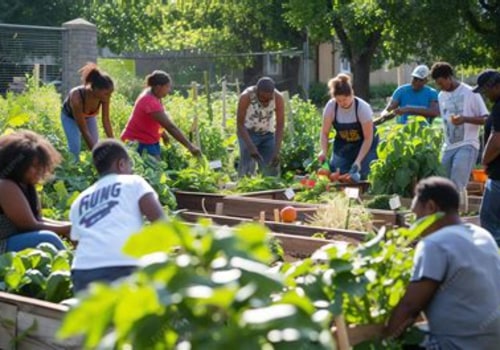
Community gardening is more than just a trend; it is a vital practice that fosters community involvement and nurtures the next generation. For children, engaging in community gardening offers a unique opportunity to connect with nature while learning essential life skills. As they dig their hands into the soil, they not only cultivate plants but also develop a sense of responsibility and ownership over their environment. This hands-on experience is invaluable, as it teaches them about the food cycle, sustainability, and the importance of caring for our planet. Moreover, community gardening promotes teamwork and collaboration among children.
Working alongside peers and adults in a shared space encourages communication and social interaction, helping children build friendships and learn to work together towards common goals. These interactions can enhance their social skills and boost their confidence, as they see the fruits of their labor come to life in the form of vibrant flowers or fresh vegetables. Additionally, community gardens serve as an educational platform where children can explore various subjects such as biology, ecology, and nutrition. By participating in gardening activities, they gain practical knowledge that complements their academic learning. This multifaceted approach not only enriches their understanding of the world around them but also instills a lifelong appreciation for nature and healthy living.
Creating a Child-Friendly Garden Space
Creating a child-friendly garden space is essential for encouraging children to engage with community gardening.A well-designed garden not only ensures safety but also stimulates curiosity and creativity. Here are some key considerations for designing a garden that is both inviting and safe for children.
- Layout and Accessibility: The layout of the garden should be open and accessible. Consider raised beds that are at a height suitable for children, allowing them to reach plants easily without straining. Pathways should be wide enough for children to move freely, and materials like mulch or gravel can provide a soft surface to prevent falls.
- Safe Plant Selection: Choose plants that are non-toxic and safe for children.
Avoid thorny or spiky plants that could cause injury. Incorporating edible plants like strawberries or cherry tomatoes can also make the gardening experience more engaging, as children can enjoy the fruits of their labor.
- Sensory Experiences: Engage children's senses by including a variety of plants with different textures, colors, and scents. Herbs like mint or basil can provide aromatic experiences, while flowers like sunflowers or marigolds add vibrant colors. Consider adding a sensory path with different materials underfoot, such as grass, sand, or pebbles.
- Interactive Features: Incorporate interactive elements such as a small water feature, bird feeders, or butterfly gardens to attract wildlife.
These features can spark children's interest in nature and encourage them to observe and learn about the ecosystem.
Involving Children in Garden Planning and Design
Engaging children in garden planning and design is a fantastic way to foster their creativity and instill a sense of ownership in the community gardening project. Here are some effective strategies to involve kids in this exciting process:- Plant Selection: Allow children to choose the plants they want to grow. Provide them with a variety of options, including flowers, vegetables, and herbs.
Discuss the benefits of each plant, such as attracting pollinators or providing food, to help them make informed choices.
- Design Layout: Encourage kids to draw their ideal garden layout. Provide graph paper or digital design tools where they can sketch out where they want to place different plants. This activity not only enhances their spatial awareness but also allows them to visualize their ideas.
- Themed Gardens: Introduce the concept of themed gardens, such as a pizza garden with tomatoes, basil, and peppers or a butterfly garden with nectar-rich flowers. Let children brainstorm themes that excite them and help them understand how different plants can work together.
- Garden Journals: Create a garden journal for each child where they can document their ideas, sketches, and observations throughout the gardening process.
This not only keeps them engaged but also teaches them about the growth cycle of plants.
- Collaborative Decision-Making: Involve children in discussions about garden decisions, such as what tools to use or how to maintain the garden. This collaborative approach empowers them and teaches valuable lessons about teamwork and responsibility.
Hands-On Gardening Activities for Kids
Engaging children in community gardening can be a rewarding experience that fosters a love for nature and teaches valuable life skills. Here are some hands-on gardening activities that kids can participate in:- Planting Seeds: Allow children to choose their favorite seeds and help them plant them in designated areas.
This activity not only teaches them about the growth cycle but also instills a sense of responsibility as they care for their plants.
- Watering Plants: Assign kids the task of watering the garden regularly. This simple yet essential task helps them understand the importance of hydration for plant health and encourages routine care.
- Creating Garden Markers: Let children decorate wooden sticks or stones to create unique garden markers. This activity enhances their creativity while helping them learn about different plants and their names.
- Harvesting Produce: When the time comes to harvest, involve children in picking fruits and vegetables. This not only provides a sense of accomplishment but also teaches them about the rewards of hard work.
- Composting: Introduce kids to the concept of composting by having them collect kitchen scraps and yard waste.
They can learn about recycling organic materials and how it benefits the garden.
Educational Benefits of Community Gardening
Community gardening serves as a vibrant platform for children to engage in educational activities that extend beyond traditional classroom learning. By participating in these gardens, children can explore various subjects such as biology, ecology, and nutrition in a hands-on environment.Learning Through Gardening
- Biology: Children can learn about plant life cycles, photosynthesis, and the importance of pollinators. Observing how seeds germinate and grow into mature plants provides a tangible understanding of biological processes.
- Ecology: Community gardens offer lessons in ecosystems and biodiversity.
Kids can study the relationships between different plants and animals, understanding how they coexist and support one another.
- Nutrition: Gardening teaches children about healthy eating habits. By growing their own fruits and vegetables, they gain an appreciation for fresh produce and learn the benefits of incorporating these foods into their diets.
STEM Activities in Gardening
Incorporating STEM (Science, Technology, Engineering, Mathematics) activities into community gardening can further enhance the educational experience. Here are some engaging ideas:
- Measuring Growth: Children can measure plant growth over time, recording data to analyze growth patterns and understand variables affecting plant health.
- Soil Testing: Conducting soil tests allows kids to learn about soil composition and its impact on plant growth, integrating chemistry into their gardening experience.
- Weather Monitoring: Keeping track of weather conditions helps children understand how climate affects gardening, linking meteorology with their gardening efforts.
Organizing Community Events Involving Children in Gardening
Organizing community gardening events that involve children can be a rewarding way to foster teamwork and a sense of belonging.Here are some effective strategies to engage kids in gardening activities:
- Plan Gardening Workshops: Host workshops specifically designed for children, where they can learn about planting, watering, and caring for plants. Incorporate fun themes, such as "Pizza Garden" where kids can plant tomatoes, basil, and peppers.
- Family Gardening Days: Organize family-friendly events that encourage parents and children to work together in the garden. This not only strengthens family bonds but also promotes community spirit.
- Garden Scavenger Hunts: Create scavenger hunts that lead children through the garden to find specific plants or insects. This interactive approach makes learning about nature exciting and engaging.
- Seasonal Festivals: Celebrate the changing seasons with festivals that include gardening activities.
For example, a spring planting festival can involve children in sowing seeds and decorating pots.
- Art in the Garden: Combine creativity with gardening by organizing art sessions where children can paint garden signs or create decorations for the garden. This adds a personal touch to the community space.
Incorporating Art and Creativity into Gardening Projects
Incorporating art into community gardening projects not only enhances the visual appeal of the garden but also stimulates children's creativity and engagement. Here are some innovative ways to blend art with gardening:- Garden Markers: Encourage children to create personalized garden markers using stones, wood, or recycled materials.
They can paint or decorate these markers to label different plants, making it a fun and educational activity.
- Themed Garden Areas: Designate specific areas of the garden for themed projects, such as a fairy garden or a dinosaur dig site. Children can contribute by crafting decorations that fit the theme, like miniature fairy houses or dinosaur sculptures.
- Nature Collages: Organize sessions where kids can collect leaves, flowers, and other natural materials to create collages. This not only teaches them about different plant species but also allows them to express their artistic side.
- Garden Murals: If space allows, set up a wall or fence where children can paint murals that reflect their vision of the garden. This collaborative project can foster teamwork and give them a sense of ownership over the space.
- Seasonal Decorations: Involve children in creating seasonal decorations for the garden.
For example, they can make scarecrows in the fall or flower crowns in the spring, which adds a festive touch to the gardening experience.
FAQs About Involving Children in Community Gardening
Involving children in community gardening can be a rewarding experience, but it also raises some common questions regarding safety and age-appropriate tasks. Here are some frequently asked questions that can help guide parents and community leaders.What are the safety concerns for children in gardens?
Safety is a top priority when involving children in community gardening. Here are some key concerns to consider:- Tools and Equipment: Ensure that all gardening tools are age-appropriate.
Sharp tools should be used only under adult supervision.
- Pesticides and Chemicals: Avoid using harmful chemicals. Opt for organic gardening methods to keep the environment safe for children.
- Sun Protection: Make sure children wear hats, sunscreen, and protective clothing to prevent sunburn during outdoor activities.
- Allergies: Be aware of any allergies children may have to plants or insects, and take necessary precautions.
What age-appropriate tasks can children do in the garden?
Engaging children in community gardening can be tailored to their age and abilities. Here are some tasks suitable for different age groups:- Toddlers (2-4 years): Simple activities like watering plants with a small watering can or digging in the soil with hands can be fun.
- Preschoolers (4-5 years): They can help plant seeds, pick ripe fruits or vegetables, and learn about different plants through sensory exploration.
- School-age children (6-12 years): These kids can take on more responsibility by weeding, harvesting, and even learning to use basic tools under supervision.
- Teens (13+ years): Older children can manage their own plots, learn about composting, and even lead workshops for younger kids.
Conclusion: The Lasting Impact of Community Gardening on Children
In conclusion, involving children in community gardening offers a multitude of benefits that extend far beyond the garden itself. Throughout this article, we have explored various ways to engage children in this enriching activity, highlighting its significance for their personal development and community involvement. One of the most profound impacts of community gardening is the opportunity it provides for children to connect with nature.This connection fosters a sense of responsibility and stewardship towards the environment, teaching them the importance of sustainability and conservation. As they plant seeds and nurture plants, children learn about the life cycle and the effort required to grow food, instilling a sense of accomplishment and pride. Moreover, community gardening serves as a platform for social interaction. Children from diverse backgrounds come together, promoting inclusivity and teamwork. They learn valuable social skills such as communication, cooperation, and conflict resolution while working side by side with their peers.
These experiences can lead to lasting friendships and a stronger sense of community. Additionally, engaging in community gardening can enhance children's physical health. The act of gardening encourages physical activity, which is essential in combating childhood obesity and promoting overall well-being. As they dig, plant, and harvest, children develop fine motor skills and coordination. Finally, the educational aspect of community gardening cannot be overlooked. Children gain hands-on experience in biology, ecology, and nutrition, making learning fun and interactive.
This practical knowledge can inspire future interests in science and environmental stewardship. In summary, the lasting impact of involving children in community gardening is profound. It nurtures their growth as individuals while fostering a sense of community engagement that can last a lifetime. By investing time in these green spaces, we are not only cultivating plants but also cultivating future generations who are aware of their role in creating a sustainable world.