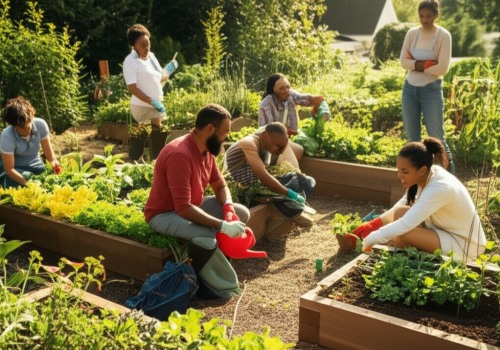
Community gardening is more than just a trend; it is a vital movement that fosters food security, enhances social cohesion, and promotes environmental sustainability. By transforming vacant lots and underutilized spaces into vibrant gardens, communities can cultivate not only fresh produce but also a sense of belonging among residents. These gardens serve as a platform for individuals to come together, share knowledge, and build relationships, ultimately strengthening the fabric of the community. The importance of community gardening extends beyond the immediate benefits of growing food. It plays a crucial role in local food systems by providing access to fresh, nutritious produce, particularly in urban areas where food deserts are prevalent.
This accessibility helps combat health issues related to poor diets and encourages healthier eating habits among community members. Furthermore, community gardens can act as educational hubs, teaching participants about sustainable practices, nutrition, and the environment. As we explore ways to involve local government in supporting and promoting community gardening, it is essential to recognize the multifaceted benefits these initiatives bring. From improving public health to fostering economic development through local food production, the potential impact of community gardens is profound. Engaging local government can amplify these benefits, ensuring that community gardening becomes an integral part of urban planning and policy-making.
The Role of Local Government in Community Gardening
Local governments play a pivotal role in the success and sustainability of community gardening initiatives.By implementing supportive policies and providing necessary resources, they can significantly enhance the impact of these gardens on local communities.
Policy Development
- Local governments can create zoning laws that facilitate the establishment of community gardens in urban areas, ensuring that land use regulations do not hinder gardening efforts.
- Establishing land-use policies that prioritize green spaces can encourage the development of community gardens, making them a vital part of urban planning.
Funding Opportunities
- Governments can allocate grants and funding specifically for community gardening projects, helping to cover costs for tools, seeds, and educational programs.
- By partnering with local non-profits and businesses, local governments can create sponsorship opportunities that provide additional financial support for community gardens.
Resource Provision
- Providing access to public land for community gardens is essential. Local governments can identify underutilized spaces that can be transformed into vibrant gardening areas.
- Offering educational workshops and resources on sustainable gardening practices can empower community members to take full advantage of their gardening spaces.
Community Engagement
- Local governments should actively engage with community members to understand their needs and preferences regarding gardening initiatives. This can be achieved through public forums or surveys.
- Encouraging volunteer programs where residents can participate in garden maintenance fosters a sense of ownership and community spirit.
Creating Partnerships Between Local Governments and Community Organizations
Establishing effective partnerships between local governments and community organizations is essential for the success of community gardening initiatives.These collaborations can significantly enhance resources, outreach, and overall impact. Here are some strategies to foster these partnerships:
- Identify Common Goals: Both local governments and community organizations should start by identifying shared objectives. This could include improving local food security, enhancing community health, or beautifying neighborhoods through gardens.
- Engage in Open Dialogue: Regular meetings and open communication channels can help build trust and understanding. Local government representatives should actively listen to the needs and ideas of community organizations, ensuring that their voices are heard.
- Leverage Resources: Local governments often have access to funding, land, and technical expertise that can be invaluable to community gardening projects.
Community organizations can benefit from these resources by proposing joint projects that align with governmental priorities.
- Create Joint Programs: Developing programs that involve both local government and community organizations can lead to successful gardening initiatives. For example, a city might sponsor a community garden competition that encourages participation from various neighborhoods.
- Promote Volunteer Opportunities: Local governments can help promote volunteer days for community gardens through their platforms. This not only increases participation but also strengthens the bond between residents and their local government.
Funding Opportunities for Community Gardening Initiatives
Securing funding for community gardening initiatives is crucial for their success and sustainability. Local governments often have various programs and resources available to support these projects.Here are some key funding opportunities to consider:
- Grants from Local Government: Many municipalities offer grants specifically aimed at enhancing community engagement through gardening. These grants can cover costs such as soil amendments, seeds, tools, and educational workshops.
- Community Development Block Grants (CDBG): These federal funds are allocated to local governments to support community development projects, including community gardens. Organizations can apply for these funds to improve neighborhood quality and promote local food systems.
- Partnerships with Nonprofits: Collaborating with local nonprofit organizations can open doors to additional funding sources. Many nonprofits focus on urban agriculture and may have grant opportunities or fundraising events that benefit community gardens.
- State Agricultural Grants: Some states provide financial assistance for agricultural projects, including community gardens.
These grants often aim to promote sustainable practices and increase local food production.
- Crowdfunding: Platforms like GoFundMe or Kickstarter allow community members to contribute financially to garden projects. This not only raises funds but also fosters a sense of ownership among participants.
- Corporate Sponsorships: Local businesses may be willing to sponsor community gardens in exchange for advertising opportunities or community goodwill. Building relationships with these businesses can lead to ongoing support.
Advocacy and Policy Development for Community Gardening
Advocacy for community gardening is essential for creating a supportive environment where these initiatives can thrive. Engaging with local government officials and policymakers can lead to the development of favorable policies that promote and sustain community gardens.Here are some effective strategies to involve local government in supporting community gardening:
- Build Relationships: Establish connections with local government representatives. Attend town hall meetings, community forums, and other public events to introduce the concept of community gardening and its benefits.
- Educate and Inform: Provide data and case studies that highlight the positive impacts of community gardens on public health, food security, and community cohesion. Use visuals, such as infographics, to make your case more compelling.
- Form Coalitions: Collaborate with local organizations, schools, and businesses to create a united front advocating for community gardening. A coalition can amplify your voice and demonstrate widespread support.
- Propose Policy Changes: Work with local government to draft policies that support community gardens.
This could include zoning changes, funding for garden projects, or the establishment of a community garden program within the city’s planning department.
- Engage the Community: Mobilize community members to participate in advocacy efforts. Organize workshops or informational sessions to educate residents about the benefits of community gardening and how they can get involved in advocacy.
- Utilize Social Media: Leverage social media platforms to raise awareness about community gardening initiatives. Share success stories, upcoming events, and calls to action that encourage residents to engage with their local government.
Case Studies: Successful Government Involvement in Community Gardening
Community gardening has seen remarkable success in various regions, particularly when local governments actively support these initiatives.Here are some notable case studies that illustrate effective government involvement in community gardening.
1.New York City’s GreenThumb Program
New York City’s GreenThumb program is one of the largest community gardening initiatives in the United States. Established in 1978, it provides resources and support to over 600 community gardens across the city. The program offers technical assistance, access to land, and funding opportunities for garden projects. This government-backed initiative not only promotes urban agriculture but also fosters community engagement and environmental stewardship.2.Seattle’s Community Garden Program
In Seattle, the Community Garden Program has transformed vacant lots into vibrant green spaces.The city collaborates with local organizations to identify potential garden sites and provides necessary resources such as soil, tools, and educational workshops. This partnership has resulted in over 90 community gardens, enhancing food security and promoting social interaction among residents.
3.Toronto’s Community Gardening Network
The Toronto Community Gardening Network is another exemplary model of local government support. The city offers grants and permits for community gardens, ensuring that residents have the legal framework to cultivate their plots. Additionally, Toronto organizes annual events that celebrate community gardening, fostering a sense of belonging and encouraging more residents to participate.4.Los Angeles’ Urban Agriculture Incentive Zone
Los Angeles has implemented the Urban Agriculture Incentive Zone program, which allows property owners to receive tax breaks for converting their land into community gardens.This innovative approach not only incentivizes land use for gardening but also addresses urban food deserts by increasing access to fresh produce in underserved neighborhoods.These case studies highlight how local government involvement can significantly enhance the success of community gardening initiatives. By providing resources, legal support, and financial incentives, governments can empower communities to cultivate their own food sources while fostering social connections and environmental awareness.
Challenges and Solutions in Government Support for Community Gardening
Community gardening initiatives often face a variety of challenges when seeking support from local government. Understanding these barriers is crucial for developing effective strategies to enhance government involvement.- Lack of Awareness: Many local government officials may not fully understand the benefits of community gardening, viewing it merely as a recreational activity rather than a vital community resource.
- Funding Constraints: Limited budgets can hinder the ability of local governments to allocate funds for community gardening projects, making it difficult to secure necessary resources.
- Bureaucratic Hurdles: Complex regulations and lengthy approval processes can deter community members from pursuing garden initiatives, leading to frustration and disengagement.
- Education and Advocacy: Community members can organize workshops and informational sessions to educate local officials about the numerous benefits of community gardening, including improved public health, environmental sustainability, and enhanced community cohesion.
- Partnerships with Nonprofits: Collaborating with nonprofit organizations that specialize in urban agriculture can provide additional resources and expertise, helping to navigate funding opportunities and streamline the approval process.
- Simplifying Regulations: Advocating for more straightforward policies regarding land use and garden establishment can reduce bureaucratic barriers. Local governments can create specific guidelines that facilitate the establishment of community gardens.
Engaging the Community in Local Government Initiatives
Engaging the local community in government-led initiatives related to community gardening is crucial for fostering a sense of ownership and ensuring the sustainability of these programs.Here are several effective methods to promote community engagement in gardening initiatives:
- Host Community Workshops: Organizing workshops that educate citizens about the benefits of community gardening can spark interest and participation. These workshops can cover topics such as organic gardening, composting, and sustainable practices.
- Create Advisory Committees: Forming committees that include local residents can help bridge the gap between government officials and the community. These committees can provide valuable insights into community needs and preferences regarding gardening initiatives.
- Utilize Social Media Platforms: Leveraging social media to share information about upcoming gardening events, volunteer opportunities, and success stories can enhance public participation. Engaging content, such as videos and photos from local gardens, can inspire more residents to get involved.
- Organize Community Events: Hosting events like garden fairs, plant swaps, or harvest festivals can create excitement around community gardening.
These gatherings not only promote local produce but also strengthen community ties.
- Incorporate Feedback Mechanisms: Providing channels for residents to voice their opinions on gardening initiatives ensures that their needs are met. Surveys, suggestion boxes, or community meetings can facilitate this feedback loop.
Conclusion: The Path Forward for Community Gardening and Local Government Collaboration
In conclusion, the collaboration between local governments and communities is essential for the success and sustainability of community gardening initiatives. By fostering a partnership that prioritizes shared goals, both entities can work towards creating vibrant green spaces that benefit residents and the environment alike.Throughout this article, we have explored various strategies to enhance this collaboration:- Policy Support: Local governments can implement policies that facilitate the establishment and maintenance of community gardens, such as zoning regulations that allow for urban agriculture.
- Funding Opportunities: Providing grants or financial incentives can empower community groups to start and sustain gardening projects, ensuring they have the necessary resources.
- Education and Training: Local governments can organize workshops and training sessions to educate community members about sustainable gardening practices, enhancing their skills and knowledge.
- Community Engagement: Actively involving residents in decision-making processes regarding community gardens fosters a sense of ownership and responsibility, leading to more successful outcomes.
- Resource Sharing: Local governments can offer access to tools, land, and other resources that are crucial for the establishment of community gardens.
As we move forward, it is imperative that local governments recognize their role in supporting these initiatives. By working together with community members, they can help cultivate not only gardens but also a stronger sense of community.Ultimately, the path forward lies in a commitment to collaboration. When local governments and communities unite in their efforts to promote community gardening, they pave the way for healthier, more resilient neighborhoods that thrive on shared resources and collective action.