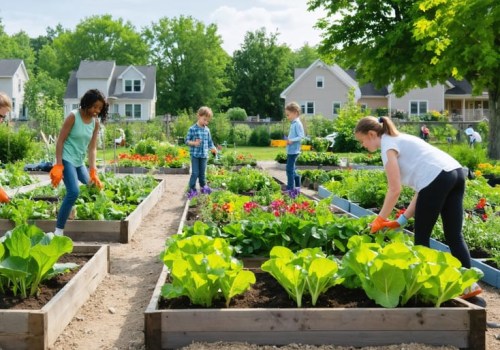
Community gardening is more than just a trend; it is a vital movement that fosters community spirit, promotes sustainability, and enhances the local environment. By transforming vacant lots and underutilized spaces into vibrant gardens, communities can cultivate not only fresh produce but also a sense of belonging and collaboration among residents. The benefits of community gardens extend far beyond the physical produce they yield; they serve as a platform for education, social interaction, and environmental stewardship. One of the most significant impacts of community gardening is its ability to improve food security in urban areas. By providing access to fresh fruits and vegetables, these gardens help combat food deserts where healthy options are scarce.
Additionally, they encourage individuals to engage in healthier eating habits and promote awareness about nutrition. Beyond health benefits, community gardens also contribute to local economies by creating opportunities for small businesses and fostering connections between residents and local producers. Moreover, the environmental advantages of community gardening cannot be overlooked. These green spaces play a crucial role in enhancing biodiversity, improving air quality, and mitigating urban heat effects. They also provide habitats for pollinators and other wildlife, which are essential for maintaining ecological balance.
As communities recognize the multifaceted benefits of these gardens, the need for support from local businesses becomes increasingly clear. Engaging local enterprises not only strengthens community ties but also ensures the sustainability and growth of these vital green spaces.
Identifying Local Businesses That Align with Community Values
Engaging local businesses in community gardening initiatives begins with identifying those that share similar values and goals. By focusing on businesses that prioritize sustainability, community involvement, and environmental stewardship, you can create mutually beneficial partnerships that enhance both the garden and the local economy.Types of Businesses to Engage:
- Garden Centers and Nurseries: These businesses are often passionate about plants and gardening. They can provide resources such as seeds, plants, and gardening supplies, or even offer workshops to educate community members.
- Restaurants and Cafés: Establishments that emphasize farm-to-table practices are likely to support community gardens.
They may be interested in sourcing fresh produce from the garden or collaborating on events that promote local food.
- Health and Wellness Stores: Businesses focused on health may see community gardens as a way to promote healthy eating and lifestyles. They could sponsor events or provide educational materials on nutrition.
- Local Artisans and Craftspeople: Engaging local artists can enhance the aesthetic of the garden through murals or sculptures. This collaboration can also help promote their work while beautifying the community space.
- Environmental Organizations: Nonprofits dedicated to environmental causes often seek partnerships with community initiatives. They can offer expertise, volunteers, or funding opportunities.
Aligning Business Values with Community Gardening:
When approaching local businesses, it’s essential to communicate how supporting a community garden aligns with their values.
Highlighting benefits such as increased foot traffic, positive public relations, and opportunities for employee engagement can make a compelling case. Additionally, consider organizing joint events that showcase their products or services while promoting the garden's mission.By carefully selecting businesses that resonate with the principles of community gardening, you can foster strong partnerships that not only support the garden but also enrich the local community as a whole.
Creating Partnership Opportunities with Local Businesses
Engaging local businesses in supporting a community garden can create a mutually beneficial relationship that enhances both the garden's resources and the businesses' community presence. Here are several effective ways to foster these partnerships:- Sponsorship Opportunities: Local businesses can sponsor specific elements of the garden, such as benches, signage, or educational workshops. In return, they receive recognition through branding opportunities, which can enhance their visibility in the community.
- Donation Drives: Organizing donation drives where businesses contribute materials, tools, or funds can significantly boost the garden's capabilities.
This not only helps the garden thrive but also allows businesses to demonstrate their commitment to community welfare.
- Collaborative Events: Hosting events such as farmer's markets, workshops, or community potlucks can draw attention to both the garden and participating businesses. These events provide a platform for local businesses to showcase their products while fostering community spirit.
- Employee Volunteer Days: Encourage local businesses to organize volunteer days where employees can help with gardening tasks. This not only strengthens team bonds but also deepens the business's connection to the community.
- Cross-Promotion: Establishing a cross-promotion strategy where local businesses promote the garden in their stores and vice versa can increase foot traffic and awareness for both parties.
Developing a Compelling Value Proposition for Businesses
To effectively engage local businesses in supporting community gardening, it is essential to develop a compelling value proposition that clearly outlines the benefits they will receive.By presenting a well-structured pitch, you can demonstrate how their involvement can lead to mutual advantages.
Benefits of Supporting Community Gardens
- Increased Visibility: Businesses that support community gardens can gain exposure through signage, promotional materials, and social media mentions. This visibility can attract new customers who value community involvement.
- Enhanced Brand Image: Associating with a community garden fosters a positive brand image. It shows that the business cares about sustainability and local welfare, which can resonate with environmentally conscious consumers.
- Networking Opportunities: Engaging with community gardens allows businesses to connect with other local organizations and residents, creating potential partnerships and collaborations.
- Employee Engagement: Involvement in community gardening initiatives can boost employee morale and foster teamwork, as staff members participate in volunteer days or garden maintenance.
How to Pitch to Businesses
When approaching local businesses, tailor your pitch to highlight these benefits. Start by researching the business’s values and mission to align your proposal accordingly.
Here are some tips for an effective pitch:
- Personalize Your Approach: Address the business owner or manager directly and explain why their specific involvement would be beneficial.
- Use Data and Testimonials: Share statistics about the positive impact of community gardens on local economies and include testimonials from other businesses that have benefited from similar partnerships.
- Offer Clear Opportunities: Present specific ways they can contribute, whether through financial support, in-kind donations, or volunteer efforts.
- Follow Up: After your initial pitch, follow up with a thank-you note and additional information to keep the conversation going.
Engaging Businesses Through Community Events and Workshops
Engaging local businesses in supporting community gardening initiatives can be significantly enhanced through the organization of community events and workshops. These gatherings not only promote the garden but also create opportunities for businesses to connect with the community and showcase their commitment to local sustainability.Community Events
- Garden Launch Party: Host a launch event for the community garden where local businesses can set up booths to promote their products or services. This creates a festive atmosphere and encourages community members to engage with both the garden and local vendors.
- Seasonal Festivals: Organize seasonal events, such as harvest festivals or spring planting days, where businesses can sponsor activities or provide refreshments. This not only boosts their visibility but also aligns their brand with community well-being.
- Collaborative Clean-Up Days: Invite local businesses to participate in clean-up days at the garden.
This hands-on involvement fosters teamwork and demonstrates a shared commitment to maintaining a vibrant community space.
Workshops for Business Involvement
- Gardening Workshops: Offer workshops led by local experts that teach gardening skills. Businesses can sponsor these events, providing materials or refreshments, which enhances their community presence while promoting sustainable practices.
- Health and Wellness Seminars: Collaborate with health-focused businesses to host seminars on the benefits of gardening for mental and physical health. This not only educates the community but also positions these businesses as advocates for healthy living.
- Culinary Classes: Partner with local restaurants or chefs to conduct cooking classes using produce from the garden. This not only highlights the importance of fresh ingredients but also strengthens ties between the garden and local food businesses.
Utilizing Social Media and Local Media to Promote Partnerships
Engaging local businesses in supporting a community garden can be significantly enhanced through effective use of social media and local media outlets.These platforms not only increase visibility but also foster a sense of community and collaboration.
Social Media Strategies for Community Gardens
- Create Engaging Content: Share vibrant photos and videos of the garden, highlighting its growth, community events, and the involvement of local businesses. Use platforms like Instagram and Facebook to showcase these visuals.
- Utilize Hashtags: Develop a unique hashtag for your community garden and encourage local businesses to use it when posting about their involvement. This can help create a cohesive online presence.
- Collaborative Posts: Partner with local businesses for joint promotions. For instance, a local café could feature produce from the garden in their dishes, and both parties can share posts about this collaboration.
- Host Online Events: Organize virtual workshops or Q&A sessions about gardening, inviting local business owners to participate.
This not only promotes the garden but also showcases the businesses' commitment to community engagement.
Promoting Partnerships Through Media
- Press Releases: Draft press releases announcing partnerships with local businesses. Highlight how these collaborations benefit both the garden and the community, and distribute them to local news outlets.
- Feature Stories: Reach out to local newspapers or magazines to pitch stories about the community garden's impact on the neighborhood. Include quotes from business owners who support the initiative.
- Community Bulletin Boards: Utilize local bulletin boards or community newsletters to advertise events and partnerships. This traditional method can still be very effective in reaching residents who may not be active on social media.
Measuring the Impact of Business Engagement on Community Gardens
Measuring the impact of local business engagement on community gardens is essential for understanding how these partnerships contribute to the overall success and sustainability of the gardens.By establishing clear success metrics, community organizers can evaluate the effectiveness of their collaborations with local businesses.
Key Metrics to Consider
- Financial Contributions: Track donations, sponsorships, or in-kind support from businesses. This can include funds for garden supplies, tools, or educational workshops.
- Volunteer Hours: Measure the number of hours employees from local businesses contribute to garden maintenance and events. This not only reflects engagement but also fosters a sense of community ownership.
- Community Participation: Assess how business involvement influences community turnout at garden events. Increased participation can indicate successful outreach and collaboration.
- Awareness and Promotion: Evaluate how businesses promote the garden through their networks.
This can be measured by tracking social media mentions, newsletters, or local advertising efforts.
Evaluating Business Partnerships
To effectively evaluate business partnerships, consider conducting surveys or interviews with both business representatives and community members. Gather feedback on their experiences and perceptions regarding the partnership's impact on the community garden. This qualitative data can provide insights into what aspects of the collaboration are working well and what areas may need improvement.Additionally, setting up regular check-ins with business partners can help maintain open lines of communication. These meetings can serve as a platform to discuss progress, share success stories, and address any challenges that arise.By fostering a collaborative environment, both parties can work together to enhance the impact of their engagement on the community garden.Ultimately, measuring the impact of business support on community gardening initiatives not only helps in assessing current partnerships but also aids in attracting new ones. By demonstrating tangible benefits and successes, community gardens can create a compelling case for local businesses to get involved.
Frequently Asked Questions About Engaging Local Businesses in Community Gardening
Engaging local businesses in community gardening can be a rewarding endeavor, but it often raises several questions. Here are some frequently asked questions that can help clarify the process:- What benefits do local businesses gain from supporting community gardens?
Local businesses can enhance their community image, attract new customers, and foster employee engagement by supporting community gardening initiatives. Additionally, they can benefit from increased foot traffic and positive publicity. - How can I approach a local business to discuss support for a community garden?
Start by researching the business and understanding their values.Prepare a concise proposal that outlines the benefits of community gardening, how their support can make a difference, and what specific contributions you are seeking, whether it be financial support, materials, or volunteer time.
- What types of support can businesses provide?
Businesses can contribute in various ways, including:
- Donating funds for garden supplies and maintenance.
- Providing materials such as soil, seeds, or tools.
- Offering employee volunteer days to help with garden maintenance.
- Promoting the garden through their marketing channels.
- How do I keep businesses engaged over time?
Regular communication is key. Update them on the garden's progress and invite them to events. Consider creating a partnership program that recognizes their contributions publicly, which can motivate continued support.
Conclusion: Building Lasting Relationships Between Community Gardens and Local Businesses
In conclusion, fostering a strong partnership between community gardens and local businesses is essential for the sustainability and growth of both entities. By working together, they can create a vibrant ecosystem that benefits the community as a whole. Throughout this article, we explored various strategies to engage local businesses in supporting community gardens.These strategies not only enhance the visibility of local businesses but also promote a sense of community ownership and pride. Here are some key takeaways:
- Mutual Benefits: Local businesses can gain exposure and customer loyalty by supporting community gardens, while gardens receive necessary resources and funding.
- Collaborative Events: Organizing joint events such as workshops, farmers' markets, or open garden days can draw attention to both the garden and the business.
- Promotional Opportunities: Businesses can offer discounts or promotions to customers who participate in garden activities, creating an incentive for community involvement.
- Shared Resources: Local businesses can provide materials, tools, or expertise that help community gardens thrive, while gardens can serve as a platform for businesses to showcase their products.