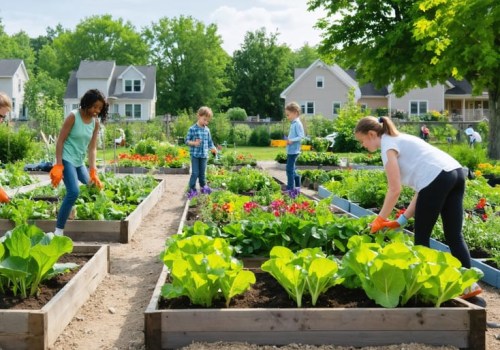
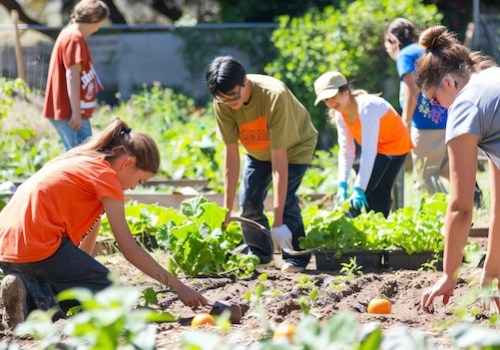
Community gardening is a collaborative effort where individuals come together to cultivate a shared piece of land, transforming it into a vibrant space for growing fruits, vegetables, and flowers. This practice not only fosters a sense of community but also promotes sustainable living and environmental stewardship. By engaging in community gardening, participants can enjoy the fruits of their labor while building relationships with their neighbors, creating a network of support and camaraderie. At its core, community gardening serves as a powerful tool for community development. It provides a definition that extends beyond mere gardening; it embodies the spirit of cooperation and collective action.
Participants often share responsibilities, resources, and knowledge, which enhances their skills and encourages a sense of ownership over the garden. This shared experience can lead to increased social cohesion, as individuals from diverse backgrounds come together with a common goal. The benefits of community gardening are manifold. Not only does it contribute to food security by providing fresh produce to local residents, but it also promotes physical health through increased activity and access to nutritious foods. Furthermore, these gardens can serve as educational platforms where community members learn about sustainable practices, nutrition, and environmental conservation.
As such, community gardening is not just about growing plants; it is about cultivating relationships and nurturing the community as a whole.
Enhancing Community Cohesion
Community gardening serves as a powerful catalyst for enhancing community cohesion by bringing together individuals from diverse backgrounds and fostering meaningful interactions. As residents come together to cultivate shared spaces, they not only grow plants but also nurture relationships that strengthen the fabric of their neighborhoods.One of the most significant social benefits of community gardening is the opportunity it provides for residents to connect with one another. In these communal spaces, people often engage in conversations, share gardening tips, and collaborate on projects, which helps break down social barriers. This interaction can lead to:- Increased Trust: As neighbors work side by side, they develop trust and mutual respect, which are essential components of a cohesive community.
- Shared Goals: Working towards a common objective, such as growing fresh produce or beautifying a neighborhood, fosters a sense of teamwork and belonging.
- Diverse Connections: Community gardens attract individuals from various age groups, cultures, and backgrounds, promoting inclusivity and understanding.
For instance, garden potlucks, workshops, and seasonal festivals not only celebrate the harvest but also create opportunities for residents to gather and socialize. These events can:
- Encourage participation from all community members, including families and children.
- Provide educational experiences about sustainable practices and healthy eating.
- Strengthen local identity by showcasing the unique characteristics of the community.
Promoting Environmental Sustainability
Community gardening plays a pivotal role in promoting environmental sustainability within urban areas. By transforming vacant lots and underutilized spaces into vibrant gardens, these initiatives contribute significantly to urban greening, which enhances the overall quality of life for residents.One of the primary environmental benefits of community gardening is the increase in biodiversity.These gardens serve as habitats for various species, including pollinators like bees and butterflies, which are essential for the health of our ecosystems. By planting a diverse array of flowers, vegetables, and herbs, community gardens create a rich tapestry of life that supports local wildlife.Moreover, community gardens help mitigate the urban heat island effect. The presence of plants and trees can lower surrounding temperatures, reducing the need for air conditioning in nearby buildings. This not only conserves energy but also decreases greenhouse gas emissions, contributing to a healthier atmosphere.Additionally, community gardening promotes sustainable practices that are vital for environmental health.
Many community gardens utilize organic gardening methods, which minimize the use of harmful pesticides and fertilizers. This approach not only protects the soil and water quality but also encourages a more sustainable food system by providing fresh produce to local residents.Furthermore, these gardens often incorporate rainwater harvesting systems and composting practices, which enhance resource efficiency. By recycling organic waste and capturing rainwater, community gardens reduce runoff and promote responsible water usage.In summary, community gardening is a powerful tool for fostering sustainability in gardening practices. It enhances biodiversity, combats urban heat, and encourages eco-friendly methods that benefit both the environment and the community at large.
Improving Food Security and Nutrition
Community gardening plays a pivotal role in enhancing food security and improving nutrition within local neighborhoods.By transforming vacant lots and underutilized spaces into productive gardens, communities can cultivate their own fresh produce, which is essential for a healthy diet.One of the most significant benefits of community gardening is the direct access it provides to fresh fruits and vegetables. Many urban areas suffer from food deserts, where residents have limited access to grocery stores that offer healthy food options. Community gardens bridge this gap by allowing individuals to grow their own food, ensuring that they have a reliable source of nutritious options.Moreover, community gardens encourage the consumption of nutrient-rich foods. When people are involved in the gardening process, they are more likely to try new vegetables and fruits that they may not have considered before.
This hands-on experience fosters a greater appreciation for healthy eating and can lead to improved dietary habits.
- Increased Variety: Community gardens often feature a diverse range of plants, which can introduce residents to different flavors and nutrients.
- Education: Many community gardens offer workshops on nutrition and cooking, empowering participants with knowledge about how to prepare healthy meals.
- Social Interaction: Gardening together fosters a sense of community, encouraging discussions about food choices and health.
Economic Benefits of Community Gardening
Community gardening offers a multitude of economic benefits that extend beyond the immediate participants, positively impacting the entire community.One of the most significant advantages is job creation. Community gardens often require a range of skills, from horticulture to marketing, leading to the development of new job opportunities. Local residents can find employment in garden management, maintenance, and even educational programs that teach gardening skills.Moreover, community gardens can lead to an increase in property values. Studies have shown that neighborhoods with well-maintained gardens tend to attract more homebuyers, as these green spaces enhance the aesthetic appeal of the area.
This rise in property values not only benefits homeowners but also contributes to higher tax revenues for local governments, which can be reinvested into community services.Another vital aspect is the support for local businesses. Community gardens often create a demand for local supplies such as seeds, tools, and organic fertilizers. This demand can stimulate local economies by encouraging residents to shop at nearby stores rather than larger chain retailers. Additionally, many community gardens host farmers' markets or sell their produce directly to consumers, further supporting local agriculture and providing fresh food options.In summary, the economic impact of community gardening is profound.
By fostering job creation, increasing property values, and supporting local businesses, community gardens serve as a catalyst for economic growth and sustainability within neighborhoods.
Educational Opportunities Through Gardening
Community gardening serves as a vibrant educational platform that fosters learning and growth for individuals of all ages. These gardens are not just spaces for planting; they are dynamic environments where community members can engage in hands-on learning experiences that promote gardening skills and enhance environmental awareness.Workshops and Programs
- Skill Development: Many community gardens offer workshops that teach essential gardening techniques, from seed starting to pest management. Participants learn how to cultivate their own food, which can lead to healthier eating habits.
- Environmental Education: Through gardening, individuals gain a deeper understanding of ecosystems, biodiversity, and sustainable practices. Programs often include lessons on composting, water conservation, and organic gardening methods.
- Culinary Classes: Some community gardens host cooking classes that emphasize the use of fresh produce.
This not only encourages participants to eat healthier but also teaches them how to prepare meals using their homegrown ingredients.
- School Field Trips: Students visit community gardens to learn about plant biology, nutrition, and the importance of local food systems.
- Volunteer Opportunities: Engaging in garden maintenance allows community members to apply what they’ve learned while fostering a sense of responsibility and teamwork.
- Mentorship Programs: Experienced gardeners often mentor novices, creating a supportive environment where knowledge is shared across generations.
Addressing Mental Health and Well-being
Community gardening serves as a powerful tool for enhancing mental health and overall well-being. Engaging in gardening activities allows individuals to connect with nature, which has been shown to reduce stress and promote relaxation.The act of nurturing plants can lead to a sense of accomplishment and purpose, significantly improving one’s mood.
Stress Relief through Gardening
- Gardening provides a physical outlet for stress relief. The repetitive motions of digging, planting, and weeding can be meditative, allowing individuals to focus on the task at hand rather than their worries.
- Spending time outdoors in a community garden exposes individuals to natural sunlight, which is known to boost serotonin levels, further enhancing mood and reducing feelings of anxiety.
- The sensory experiences involved in gardening—such as the smell of soil, the sight of vibrant flowers, and the feel of leaves—can stimulate positive emotions and create a calming environment.
Improved Mood and Social Connections
Participating in community gardening fosters social interactions that are vital for mental health. Working alongside neighbors and fellow gardeners creates a sense of belonging and community. These social connections can combat feelings of loneliness and isolation, which are prevalent in today’s society.Moreover, sharing gardening tips, harvesting produce together, or simply enjoying each other’s company can lead to lasting friendships.
This sense of community not only enhances individual well-being but also strengthens the fabric of the neighborhood.In conclusion, the mental health benefits of community gardening are profound. By providing stress relief, improving mood, and fostering social connections, community gardens play a crucial role in promoting mental well-being within communities.
Challenges and Solutions in Community Gardening
Community gardening can be a rewarding endeavor, but it is not without its challenges. Understanding these obstacles and implementing effective solutions is crucial for the success and sustainability of these projects.- Limited Resources: Many community gardens struggle with insufficient funding, tools, and materials. To overcome this, organizers can seek grants from local governments or non-profits, host fundraising events, or establish partnerships with local businesses willing to donate supplies.
- Soil Quality and Contamination: Poor soil quality can hinder plant growth.
Conducting soil tests before planting is essential. If contamination is found, raised beds filled with clean soil can be a viable solution, allowing gardeners to grow food safely.
- Community Engagement: A lack of participation can lead to neglect and disinterest. To foster engagement, regular community meetings should be held to discuss progress and gather input. Additionally, organizing workshops on gardening techniques can empower members and build a sense of ownership.
- Pest Management: Pests can threaten the health of plants in community gardens.
Implementing integrated pest management (IPM) strategies, such as introducing beneficial insects or using organic repellents, can help maintain a healthy garden ecosystem.
- Seasonal Challenges: Weather conditions can impact gardening efforts. Planning for seasonal changes by selecting appropriate crops and utilizing season extenders like row covers can help mitigate these effects.
Case Studies: Successful Community Gardens Across the U.S.
Community gardening has proven to be a powerful tool for fostering social connections and enhancing local environments. Here are some notable examples of successful community gardens across the United States that illustrate their profound impact.1.The Beacon Hill Community Garden, Seattle, WA
Located in the heart of Seattle, the Beacon Hill Community Garden serves as a vibrant hub for residents.This garden not only provides fresh produce but also hosts educational workshops on sustainable gardening practices. The garden has successfully brought together diverse community members, fostering friendships and cultural exchange.
2.The South Central Farm, Los Angeles, CA
The South Central Farm was once the largest urban farm in the U.S., spanning 14 acres. Although it faced challenges, its legacy continues to inspire community activism and food justice movements. The farm provided fresh fruits and vegetables to local families and served as a gathering place for community events, highlighting the importance of access to healthy food.3.The GreenThumb Program, New York City, NY
New York City's GreenThumb Program supports over 600 community gardens across the five boroughs.These gardens not only beautify neighborhoods but also serve as educational spaces where residents learn about nutrition and gardening techniques. Many gardens have transformed vacant lots into green spaces, significantly improving local air quality and biodiversity.
4.The Urban Farm at L.A. Trade Tech College, Los Angeles, CA
This urban farm is part of a vocational program that teaches students about sustainable agriculture while providing fresh produce to the surrounding community. It exemplifies how community gardening can serve educational purposes while addressing food insecurity.These case studies highlight that successful community gardens are more than just places to grow food; they are vital components of their communities that promote sustainability, education, and social cohesion.By investing in such initiatives, cities can cultivate healthier, more connected neighborhoods.
[FAQs about Community Gardening]
Community gardening is a growing trend that raises many questions among those interested in participating. Here are some frequently asked questions about community gardening:- What is community gardening? Community gardening involves a group of people coming together to cultivate a shared piece of land. This can include growing vegetables, flowers, or herbs, and often promotes sustainable practices.
- How can I start a community garden? To start a community garden, gather interested individuals, find a suitable plot of land, and check local regulations. Forming a committee to manage the garden and creating a plan for what to grow can also be beneficial.
- What are the benefits of community gardening? Community gardening offers numerous benefits, including improved access to fresh produce, enhanced community bonds, and educational opportunities about gardening and sustainability.
- Who can participate in community gardening? Community gardens are typically open to anyone in the community.
They often welcome individuals of all ages and skill levels, making it an inclusive activity.
- Are there costs associated with joining a community garden? While some community gardens may charge a small fee for plot rental or supplies, many are free or operate on a donation basis. It's best to check with the specific garden for details.
- What if I don’t have gardening experience? No prior experience is necessary! Many community gardens offer workshops and resources to help beginners learn the basics of gardening.
[Conclusion: The Lasting Impact of Community Gardening]
In summary, community gardening serves as a powerful catalyst for positive change within local communities. The benefits extend far beyond the simple act of planting seeds; they encompass social, environmental, and economic dimensions that collectively enhance community well-being.Social cohesion
is one of the most significant advantages of community gardening. By bringing together individuals from diverse backgrounds, these gardens foster relationships and create a sense of belonging.Participants often share knowledge, skills, and resources, which strengthens community ties and promotes inclusivity. Moreover, community gardening contributes to improved mental health. Engaging in gardening activities has been shown to reduce stress and anxiety while promoting physical activity. The act of nurturing plants can be therapeutic, providing individuals with a sense of purpose and accomplishment. From an environmental perspective, community gardens play a crucial role in enhancing urban biodiversity. They provide habitats for various species and contribute to the overall health of the ecosystem.
Additionally, these gardens promote sustainable practices by encouraging organic gardening methods and reducing food miles through local food production. Economically, community gardening can lead to increased access to fresh produce, particularly in food deserts where healthy options are limited. This not only improves nutrition but also empowers communities to take control of their food sources. In conclusion, the lasting impact of community gardening is profound. It nurtures social connections, supports mental well-being, enhances environmental health, and promotes economic resilience. As communities continue to embrace this practice, the ripple effects will undoubtedly lead to stronger, healthier neighborhoods for generations to come.