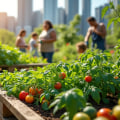
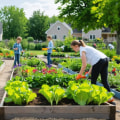
Community gardening is more than just a trend; it is a powerful movement that brings people together to cultivate not only plants but also relationships and a sense of belonging. In urban areas where green spaces are limited, community gardens serve as vital oases, providing residents with the opportunity to grow their own food, learn about sustainable practices, and engage in meaningful interactions with their neighbors. These gardens transform vacant lots into vibrant spaces filled with life, color, and creativity. The benefits of community gardening extend far beyond the physical act of planting seeds. They foster community engagement by encouraging collaboration among diverse groups of people.
Participants often share knowledge, skills, and resources, creating a supportive environment that nurtures both personal growth and collective achievement. This shared experience can lead to stronger social ties, increased trust among community members, and a greater sense of ownership over local spaces. Moreover, community gardens can serve as platforms for artistic expression and creativity. By integrating art into these green spaces, communities can enhance their aesthetic appeal while also promoting cultural exchange and dialogue. Whether through murals, sculptures, or interactive installations, the incorporation of art can transform a simple garden into a dynamic hub of creativity that reflects the unique identity of the neighborhood.
Understanding the Role of Art in Community Spaces
Art plays a vital role in enhancing community spaces, particularly in settings like community gardens.By integrating artistic elements, these gardens can transform into vibrant hubs that foster creativity and connection among residents. The inclusion of art not only beautifies the space but also serves as a catalyst for social interaction and community engagement.
Psychological Benefits
- Stress Reduction: Engaging with art can significantly reduce stress levels. The presence of colorful murals or sculptures can create a calming atmosphere, encouraging visitors to relax and enjoy their surroundings.
- Inspiration and Motivation: Artistic installations can inspire community members to participate more actively in gardening activities, fostering a sense of ownership and pride in the space.
Social Cohesion
- Building Connections: Art projects often involve collaboration among community members, which helps build relationships and strengthen social ties. Workshops or collaborative mural painting can bring people together, creating a sense of belonging.
- Cultural Expression: Community gardens can reflect the diverse backgrounds of their participants through art.
Incorporating cultural symbols or themes in garden design allows for personal expression and celebrates the community's heritage.
Creative Community Projects
Implementing art in community gardens can take many forms:
- Mural Painting: Local artists or community members can collaborate to create murals that tell the story of the garden or represent its values.
- Sculpture Installations: Adding sculptures made from recycled materials not only enhances aesthetics but also promotes sustainability.
- Interactive Art: Consider incorporating elements like chalkboards or community art walls where visitors can express themselves creatively.
Creative Design Ideas for Community Gardens
Incorporating art and creativity into community gardening can transform a simple plot of land into a vibrant space that reflects the community's identity and values. Here are some innovative design ideas to inspire your next garden project:- Themed Gardens: Create a garden that tells a story or represents a specific theme. For example, a butterfly garden can feature plants that attract butterflies, while a medicinal herb garden can educate visitors about the healing properties of various plants.
- Sculptures and Installations: Integrate sculptures made from recycled materials or local artists' works to add visual interest.
These pieces can serve as focal points, sparking conversation and encouraging visitors to explore the garden further.
- Murals and Wall Art: If your community garden has walls or fences, consider commissioning a mural that reflects the local culture or environment. This not only beautifies the space but also engages local artists and fosters community pride.
- Interactive Features: Design elements that invite participation, such as a chalkboard wall for visitors to leave messages or drawings, can enhance the sense of community. Additionally, incorporating musical instruments made from natural materials can create an engaging atmosphere.
- Pathways and Layouts: Use creative layouts to guide visitors through the garden. Curved pathways lined with colorful stones or recycled glass can create an inviting experience.
Consider using different textures and colors in your plant selections to enhance visual appeal.
Incorporating Local Artists and Artisans
Incorporating local artists and artisans into a community gardening project can significantly enhance the aesthetic appeal and cultural value of the space. Here are several ways to engage these creative individuals:- Art Installations: Invite local artists to create sculptures, murals, or other art installations that reflect the community's identity. These pieces can serve as focal points within the garden, drawing visitors and encouraging them to explore.
- Workshops and Classes: Collaborate with artisans to host workshops that teach gardening-related crafts, such as pottery for plant pots or painting garden signs.
This not only fosters creativity but also builds community bonds.
- Garden Decor: Encourage local artisans to contribute handmade decorations, such as wind chimes, birdhouses, or mosaic pathways. These unique items can add character and charm to the garden while supporting local craftsmanship.
- Community Art Projects: Organize collaborative art projects where community members can work alongside artists to create a large mural or a series of smaller artworks that celebrate the garden's purpose and the community's diversity.
- Seasonal Events: Host seasonal events that feature local artists, such as art fairs or open studios in the garden. This not only showcases their work but also attracts visitors who may not otherwise engage with the garden.
Workshops and Community Engagement Activities
Incorporating art and creativity into a community gardening project can significantly enhance community engagement and foster a sense of ownership among participants.Organizing workshops and activities that focus on artistic expression not only beautifies the garden but also strengthens community bonds.
Art Workshops in Gardens
One effective way to engage the community is by hosting art workshops directly in the garden. These workshops can include:- Painting Classes: Participants can paint garden scenes or create murals on fences, allowing them to express their creativity while contributing to the garden's aesthetic.
- Crafting with Nature: Workshops that focus on creating art from natural materials, such as leaf prints or stone painting, can help participants connect with their environment.
- Photography Sessions: Organizing photography workshops encourages participants to capture the beauty of the garden, fostering appreciation for nature and artistic skills.
Community Engagement Activities
In addition to art workshops, various community engagement activities can be organized to promote collaboration and creativity:- Themed Garden Days: Host events where community members can come together to plant specific themes, such as a butterfly garden or a sensory garden, encouraging creativity in design.
- Garden Festivals: Organize seasonal festivals that celebrate the harvest with art displays, live music, and food stalls, creating a vibrant atmosphere for community interaction.
- Storytelling Circles: Invite local storytellers to share tales related to gardening and nature, inspiring participants to think creatively about their gardening experiences.
Creative Gardening Workshops
Creative gardening workshops can also be an excellent way to blend art with horticulture. These workshops might include:- Vertical Gardening: Teach participants how to create vertical gardens using recycled materials, combining sustainability with artistic design.
- Garden Sculpture Making: Encourage participants to create sculptures from found objects or clay that can be placed throughout the garden, adding unique artistic elements.
- Culinary Arts in the Garden: Host cooking classes that utilize fresh produce from the garden, allowing participants to explore the intersection of art and food.
Sustainable Art Practices in Gardening
Incorporating sustainable art practices into community gardening not only enhances the aesthetic appeal of the space but also promotes eco-friendly values. Here are some innovative ways to blend art and sustainability in your garden project:- Recycled Materials: Utilize discarded items such as old tires, bottles, and wooden pallets to create unique garden sculptures or planters.
This not only reduces waste but also adds character to the garden.
- Natural Dyes: Use plants from the garden to create natural dyes for fabric or paper. This can be a fun activity for community members, allowing them to express their creativity while learning about plant properties.
- Living Art Installations: Consider creating living walls or vertical gardens using native plants. These installations can serve as both art and functional green spaces, improving air quality and biodiversity.
- Community Mosaics: Organize workshops where community members can create mosaics using broken tiles, glass, or stones. These can be placed along pathways or around garden beds, adding vibrant colors and personal touches.
- Eco-Friendly Paints: If painting is part of your project, opt for non-toxic, eco-friendly paints.
This ensures that any art created is safe for the environment and the plants within the garden.
Case Studies: Successful Community Garden Projects with Artistic Elements
Community gardens have become vibrant hubs for creativity and collaboration, showcasing how art can enhance the gardening experience. Here are some inspiring case studies of successful community gardens that have effectively integrated artistic elements:- The Edible Schoolyard Project in Berkeley, California, is a prime example where art meets education.
This garden features mosaic pathways created by students, which not only beautify the space but also serve as a hands-on learning tool about biodiversity and sustainability.
- Garden of the Phoenix in Chicago incorporates large-scale murals painted by local artists. These murals reflect the cultural heritage of the neighborhood and engage community members in discussions about identity and history, making the garden a canvas for storytelling.
- Community Roots Garden in Portland, Oregon, has embraced sculpture as a means of expression. The garden features whimsical sculptures made from recycled materials, encouraging visitors to think creatively about waste and sustainability while enjoying the beauty of nature.
For instance, painted signs can provide educational information about plants or gardening techniques, while interactive installations can invite visitors to participate in workshops or events. This blend of art and gardening creates a dynamic environment that attracts diverse groups of people, ultimately strengthening community ties.
FAQs about Art and Community Gardening
Incorporating art into community gardening projects can enhance the aesthetic appeal and foster a sense of community. Here are some frequently asked questions regarding this integration:- What types of art can be included in a community garden?
Community gardens can feature a variety of art forms, including murals, sculptures, mosaics, and even functional art like benches and trellises. Each piece can reflect the local culture or the themes of sustainability and nature. - How can we involve local artists in our community garden?
Engaging local artists can be done through workshops, collaborations, or competitions.Consider hosting an event where artists can showcase their work or create pieces on-site, allowing community members to participate in the creative process.
- Can art help in educating the community about gardening?
Absolutely! Educational art installations, such as signs that explain plant species or gardening techniques, can make learning more engaging. Interactive elements like painted rocks with plant care tips can also encourage visitors to explore and learn. - What are some budget-friendly ways to incorporate art?
Community members can contribute by creating DIY projects using recycled materials. Workshops focused on crafting garden decorations from found objects can also be a fun and cost-effective way to beautify the space. - How does art impact community engagement in gardening?
Art has the power to draw people in and spark conversations. By creating visually appealing spaces, you encourage more visitors to participate in gardening activities, fostering a stronger sense of community and collaboration.
By addressing these common questions, we hope to inspire more gardens to embrace creativity as part of their mission.
Conclusion: The Future of Community Gardening with Art Integration
As we look towards the future of community gardening, it becomes increasingly clear that the integration of art and creativity is not just a supplementary aspect but a vital component that can enhance the overall experience and impact of these projects. By embracing artistic expression, community gardens can transform into vibrant spaces that foster not only biodiversity but also cultural enrichment.Throughout this article, we have explored various ways to incorporate art into community gardening, from mural painting to sculpture installations. Each of these methods serves to engage community members, spark conversations, and create a sense of ownership and pride in the garden. The visual appeal of art can attract more visitors, encouraging participation and collaboration among diverse groups.Moreover, the act of creating art within a garden setting can serve as a therapeutic outlet for individuals, promoting mental well-being and community cohesion.As people come together to paint, sculpt, or craft, they build relationships that extend beyond the garden's borders, fostering a stronger sense of community.Looking ahead, it is essential for community gardening initiatives to prioritize partnerships with local artists and organizations. These collaborations can lead to innovative projects that reflect the unique identity of the community while also addressing social issues such as food security and environmental sustainability.In conclusion, integrating art into community gardening is not merely an aesthetic choice; it is a powerful strategy for enhancing community engagement, promoting mental health, and celebrating cultural diversity. As we move forward, let us embrace this creative synergy to cultivate not just gardens but thriving communities.