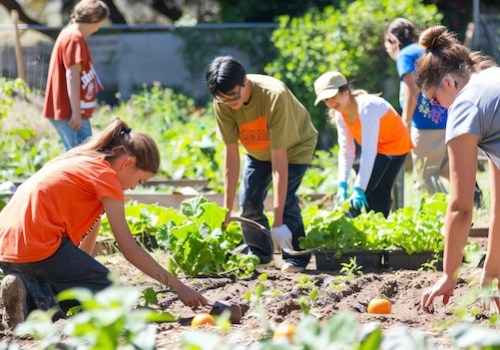
Community gardening is a collaborative effort where individuals come together to cultivate a shared piece of land, transforming it into a vibrant space for growing fruits, vegetables, and flowers. This practice not only fosters a sense of community but also serves as a powerful tool for enhancing local economies. By pooling resources and knowledge, participants can create sustainable gardens that yield fresh produce while simultaneously building social connections and improving neighborhood aesthetics. The benefits of community gardening extend far beyond the immediate gratification of harvesting homegrown food. These gardens can serve as educational platforms, teaching participants about sustainable agriculture, nutrition, and environmental stewardship.
Moreover, they often become hubs for community engagement, where residents can gather for workshops, events, and social activities. This sense of belonging can lead to increased civic participation and a stronger community identity. In essence, community gardening is more than just planting seeds; it is about sowing the seeds of opportunity. As neighborhoods embrace this practice, they unlock potential pathways for job creation and economic growth. From providing fresh produce to local markets to creating jobs in garden management and maintenance, the ripple effects of these gardens can significantly uplift the local economy while promoting healthier lifestyles.
The Economic Impact of Community Gardens
Community gardens serve as a catalyst for economic growth within neighborhoods, fostering a range of financial benefits that extend beyond mere food production.One of the most significant impacts is the increase in property values. Studies have shown that neighborhoods with well-maintained community gardens often see a rise in property prices, as these green spaces enhance the overall aesthetic and livability of the area.Moreover, community gardens contribute to the local economy by promoting local food production. By growing fresh produce, these gardens reduce reliance on imported goods, keeping money circulating within the community. This not only supports local farmers and vendors but also encourages residents to purchase from nearby markets, further stimulating economic activity.Additionally, community gardens play a crucial role in addressing food deserts.
In areas where access to fresh fruits and vegetables is limited, these gardens provide a vital source of nutritious food. This accessibility can lead to improved health outcomes for residents, which in turn can reduce healthcare costs and increase productivity in the workforce.Furthermore, community gardening initiatives often create job opportunities through various programs. These can include:
- Workshops and Training: Teaching gardening skills can empower individuals to start their own businesses or find employment in agriculture-related fields.
- Market Opportunities: Selling produce at local farmers' markets or through community-supported agriculture (CSA) programs can generate income for participants.
- Volunteer Programs: Engaging volunteers not only fosters community spirit but also provides valuable experience that can enhance resumes.
Job Creation Through Community Gardening Initiatives
Community gardening not only fosters a sense of community but also serves as a catalyst for job creation and economic growth within neighborhoods.By establishing community gardens, local organizations can create various employment opportunities that cater to different skill sets and interests.
Roles in Community Gardening
- Garden Managers: These individuals oversee the daily operations of the garden, ensuring that plants are nurtured, resources are managed, and volunteers are coordinated. This role often requires knowledge of horticulture and organizational skills.
- Educators: Community gardens can serve as educational hubs where individuals teach gardening techniques, sustainability practices, and nutrition. Educators can lead workshops and classes, providing valuable information to community members while earning a living.
- Support Staff: Various support roles are essential for the smooth functioning of community gardens. This includes maintenance workers who handle landscaping, irrigation systems, and general upkeep, as well as administrative staff who manage communications and funding.
This not only reduces unemployment rates but also encourages local spending as employees invest their earnings back into the community.
Partnerships and Funding
To maximize job opportunities through community gardening, partnerships with local businesses and government agencies can be instrumental. Grants and funding from non-profit organizations can help establish these gardens and provide initial salaries for staff. Additionally, local businesses may sponsor gardens or offer resources in exchange for advertising or community goodwill.In conclusion, community gardening presents a unique opportunity to create meaningful employment while enhancing the social fabric of neighborhoods. By investing in these initiatives, communities can cultivate not just plants but also a thriving local economy.
Skills Development and Training Programs
Community gardens are not just spaces for growing food; they are also vital platforms for skills development and training programs that can significantly enhance employment opportunities in local neighborhoods.By engaging community members in gardening activities, these gardens can serve as educational hubs where individuals can acquire practical skills that are directly applicable to the agricultural sector and beyond.
Training programs
offered through community gardens can cover a wide range of topics, including:- Organic farming techniques: Participants learn sustainable practices that are increasingly in demand.
- Pest management: Understanding how to manage pests without harmful chemicals is a valuable skill.
- Soil health: Knowledge about soil composition and health is crucial for successful gardening.
- Crop rotation and planning: Learning how to plan for seasonal crops can lead to better yields.
- Business skills: Workshops on marketing, budgeting, and sales can help aspiring entrepreneurs.
By providing access to resources and mentorship, community gardens can help bridge the gap between education and employment.In conclusion, by fostering an environment of learning and growth, community gardens play a crucial role in equipping individuals with the necessary skills to thrive in the job market. This not only benefits the participants but also contributes to the overall economic growth of the neighborhood.
Community Engagement and Collaboration
Community gardens serve as a vital platform for community engagement and collaboration, fostering connections among local residents, organizations, and businesses. By bringing together diverse groups, these gardens can create a sense of ownership and pride, which is essential for driving economic growth in the neighborhood.Engaging Local Residents
- Community gardens encourage residents to participate actively in gardening activities, which can lead to skill development and job training opportunities.
- Workshops on sustainable gardening practices not only enhance gardening skills but also promote entrepreneurship by teaching residents how to sell their produce.
Collaboration with Local Organizations
- Partnerships with local non-profits can provide resources and funding for community gardens, ensuring their sustainability and growth.
- Schools can collaborate with community gardens to create educational programs that teach students about nutrition, agriculture, and environmental stewardship.
Building Partnerships with Businesses
- Local businesses can support community gardens through sponsorships or by sourcing fresh produce from them, creating a mutually beneficial relationship that boosts the local economy.
- Farmers' markets organized by community gardens can attract visitors, increasing foot traffic for nearby businesses and enhancing the overall economic landscape.
The synergy created through these partnerships not only enhances the garden's productivity but also strengthens the community's social fabric, paving the way for a more vibrant and economically stable environment.
Case Studies: Successful Community Garden Projects
Community gardens have emerged as powerful catalysts for job creation and economic growth in various neighborhoods across the United States. By examining successful case studies, we can uncover the best practices and impactful stories that highlight the potential of community gardening.1.The Urban Farm at Tenth and E
Located in Washington, D.C., the Urban Farm at Tenth and E transformed a vacant lot into a thriving community garden. This initiative not only provided fresh produce to local residents but also created job opportunities for neighborhood youth. Through training programs, participants learned essential skills in agriculture, marketing, and business management, leading to the establishment of a small-scale farmers' market.The project has generated over $50,000 in annual revenue, demonstrating how community gardens can stimulate local economies.
2.The Green Thumb Project
In New York City, the Green Thumb Project has successfully engaged over 600 community gardens across the five boroughs. This initiative focuses on empowering local residents by providing them with resources and training to manage their own gardens. Many of these gardens have evolved into cooperative businesses, offering products such as organic vegetables and handmade crafts. As a result, participants have reported increased income levels and improved food security within their communities.3.The Edible Schoolyard Project
The Edible Schoolyard Project in Berkeley, California, integrates community gardening into school curricula, teaching students about sustainable agriculture while fostering a sense of responsibility and teamwork.This program has not only enhanced students' educational experiences but has also led to job creation for local educators and garden coordinators. By involving students in hands-on gardening activities, the project cultivates future leaders who are equipped with valuable skills for the workforce.These case studies illustrate that community gardening can serve as a foundation for economic development by creating jobs, fostering entrepreneurship, and enhancing community cohesion. As more neighborhoods embrace this model, the potential for sustainable growth becomes increasingly evident.
Challenges Facing Community Gardens in Economic Development
While community gardening has the potential to foster economic growth and job opportunities, several challenges hinder its effectiveness. Understanding these barriers is crucial for developing strategies that can enhance the impact of community gardens.- Funding Issues: One of the primary challenges facing community gardens is securing adequate funding.
Many gardens rely on grants, donations, and volunteer labor, which can be inconsistent. Without stable financial support, it becomes difficult to maintain operations, purchase necessary supplies, or invest in infrastructure improvements.
- Land Access: Access to land is another significant barrier. In urban areas, available land may be scarce or prohibitively expensive. Additionally, zoning laws and property regulations can complicate the establishment of community gardens.
Without secure land tenure, gardeners may face the risk of eviction or redevelopment.
- Sustainability Concerns: Sustainability is a critical issue for community gardens aiming for long-term economic impact. Many gardens struggle with maintaining soil health, managing pests organically, and ensuring water availability. These factors can affect crop yields and the overall viability of the garden as a source of income.
- Community Engagement: Engaging the local community is essential for the success of a community garden. However, apathy or lack of awareness can lead to low participation rates.
When community members do not feel invested in the garden's success, it can diminish its potential as an economic driver.
Future Trends in Community Gardening and Economic Growth
The future of community gardening is poised for transformation as innovative practices and technologies emerge, paving the way for enhanced job opportunities and economic growth. As urban areas continue to expand, the integration of technology into community gardening is becoming increasingly vital.Urban Agriculture Innovations
- Vertical Farming: This method allows for the cultivation of crops in stacked layers, maximizing space and resources. Community gardens adopting vertical farming techniques can produce more food with less land, creating jobs in construction, maintenance, and harvesting.
- Hydroponics and Aquaponics: These soil-less growing systems are gaining traction in urban settings.
By training community members in these methods, gardens can not only increase yield but also create specialized job roles in system management and crop production.
- Smart Gardening Technologies: The use of IoT devices for monitoring soil moisture, nutrient levels, and plant health can optimize gardening efforts. Community gardens that implement these technologies can offer training programs, thus generating employment opportunities in tech support and education.
- Creating Local Markets: Community gardens can serve as hubs for local produce markets, providing fresh food while supporting local farmers and artisans.
- Job Training Programs: By partnering with educational institutions, community gardens can offer training programs that equip individuals with skills in agriculture, business management, and marketing.
- Community Engagement: Engaging residents in gardening activities fosters a sense of ownership and pride, which can lead to increased volunteerism and support for local businesses.
Conclusion: The Path Forward for Community Gardens
In conclusion, community gardening emerges as a powerful tool for fostering job opportunities and driving economic growth within neighborhoods.Throughout this article, we have explored various dimensions of how these gardens not only beautify urban spaces but also serve as vital economic engines. By providing a platform for local residents to engage in agricultural practices, community gardens can create a range of employment opportunities. These include roles in garden management, marketing, and even culinary positions as produce is transformed into value-added products. Furthermore, the skills acquired through participation in community gardening can enhance employability, equipping individuals with practical knowledge in areas such as sustainable agriculture and business management. Moreover, community gardens can stimulate local economies by:
- Encouraging local entrepreneurship: By allowing residents to sell their produce at farmers' markets or through community-supported agriculture (CSA) programs, gardens can help cultivate small businesses.
- Attracting tourism: Well-maintained community gardens can become attractions that draw visitors, thereby increasing foot traffic and spending in the area.
- Building partnerships: Collaborations with local schools, restaurants, and non-profits can lead to job creation and resource sharing, further embedding the garden within the economic fabric of the community.
By investing in community gardening initiatives, we can cultivate not just plants but also a thriving economy that benefits all residents.