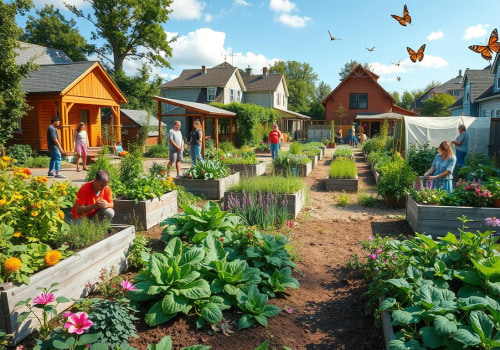
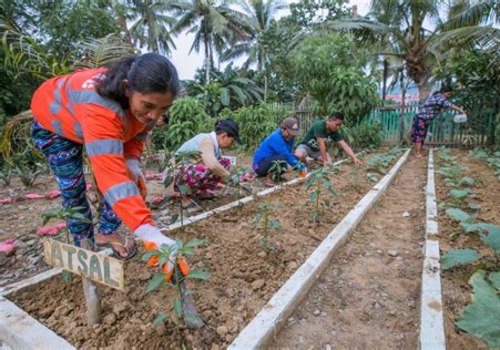
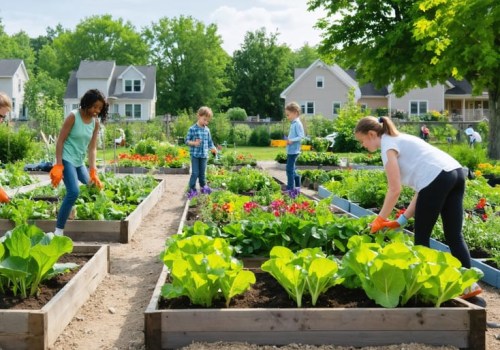
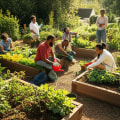
Community gardening is a collaborative effort where individuals come together to cultivate a shared piece of land, often in urban or rural settings. This practice not only allows participants to grow their own fruits and vegetables but also fosters a sense of community and belonging. By transforming vacant lots or underutilized spaces into vibrant gardens, community gardening initiatives can significantly enhance the quality of life for residents, providing both physical and mental health benefits.The definition of community gardening extends beyond mere cultivation; it encompasses the social interactions and relationships that develop among participants. These gardens serve as a platform for education, where individuals can learn about sustainable practices, nutrition, and the importance of local food systems.
Moreover, they often become hubs for community engagement, bringing together people from diverse backgrounds to work towards a common goal.As we delve deeper into the benefits of community gardening, it becomes clear that these green spaces play a crucial role in promoting well-being. From reducing stress and anxiety to encouraging physical activity, the positive impacts are manifold. Community gardens not only provide fresh produce but also create opportunities for social interaction, skill development, and environmental stewardship. In essence, they are more than just gardens; they are vital components of healthy communities.
Mental Health Benefits of Community Gardening
Engaging in community gardening offers numerous mental health benefits that can significantly enhance overall well-being.One of the most notable advantages is its ability to reduce stress. Studies have shown that spending time in green spaces, particularly those where individuals can actively participate in gardening, leads to lower levels of cortisol, the hormone associated with stress. A study published in the journal Health & Place found that participants who engaged in gardening reported a 36% reduction in stress levels compared to those who did not.Moreover, community gardening fosters a sense of belonging and social connection. Many individuals experience feelings of isolation and loneliness, which can contribute to anxiety and depression.
By participating in a community garden, individuals can build relationships with fellow gardeners, share experiences, and create a supportive network. This social interaction is crucial for mental health, as it provides emotional support and reduces feelings of isolation.Additionally, the act of nurturing plants can be therapeutic. The repetitive motions involved in gardening—digging, planting, weeding—can serve as a form of mindfulness practice. This focus on the present moment helps to alleviate symptoms of anxiety and promotes a sense of calm.
A survey conducted by the American Horticultural Therapy Association revealed that 80% of participants felt more relaxed after spending time gardening.Testimonials from community gardeners further illustrate these benefits. One participant shared, "Gardening has become my escape; it’s where I find peace and clarity amidst life’s chaos." Another noted, "The friendships I’ve formed through our community garden have been invaluable for my mental health. We support each other through tough times." These personal accounts highlight how community gardening not only enhances individual mental health but also strengthens community ties.In conclusion, the mental health benefits of community gardening are profound. From reducing stress and anxiety to fostering social connections and promoting mindfulness, engaging in this activity can lead to significant improvements in mental well-being.
Physical Health Benefits of Community Gardening
Engaging in community gardening offers a multitude of physical health benefits that can significantly enhance overall well-being.The act of gardening itself involves various physical activities that promote fitness and encourage a more active lifestyle.
Physical Activities Involved in Community Gardening
- Digging and Tilling: These activities require strength and endurance, engaging multiple muscle groups and providing a solid workout.
- Planting and Weeding: Bending, squatting, and reaching during these tasks improve flexibility and core strength.
- Watering and Maintenance: Carrying watering cans or hoses can enhance cardiovascular health, as it raises the heart rate while performing these essential gardening tasks.
- Harvesting: This often involves lifting and carrying produce, which not only provides a sense of accomplishment but also contributes to physical exertion.
Gardening for Fitness
Moreover, community gardening fosters a sense of community and social interaction, which can motivate individuals to stay active. The shared responsibility of maintaining a garden encourages participants to engage regularly, making it easier to incorporate exercise into their daily routines.
This social aspect not only enhances physical activity but also promotes mental well-being.In conclusion, community gardening serves as an excellent avenue for improving physical health through enjoyable and productive activities. By participating in this communal effort, individuals can reap the benefits of exercise while contributing to their local environment.
Social Connections Through Community Gardening
Community gardening serves as a powerful catalyst for social connections, fostering relationships that can significantly enhance mental well-being. By bringing together individuals from diverse backgrounds, these gardens create a shared space where people can collaborate, learn, and grow together.Building Community Through Gardening
- Shared Goals: Participants in community gardens often work towards common objectives, such as growing fresh produce or beautifying their neighborhood. This shared purpose helps to strengthen bonds among members.
- Skill Sharing: Gardening involves a variety of skills, from planting to pest management.
Community gardens provide an opportunity for individuals to share their knowledge and learn from one another, fostering a sense of camaraderie.
- Inclusivity: These gardens are typically open to all, regardless of age, background, or gardening experience. This inclusivity promotes a welcoming environment where everyone feels valued and connected.
Encouraging Social Interaction
The act of gardening itself encourages social interaction. Whether it’s exchanging tips on plant care or simply enjoying the beauty of nature together, community gardens facilitate conversations that might not occur in other settings. Regular gatherings for planting days, harvest festivals, or garden meetings further enhance these interactions, allowing participants to form lasting friendships.Moreover, the physical act of gardening can lead to spontaneous social encounters.
As individuals tend to their plots, they often engage with neighbors and passersby, creating a vibrant atmosphere filled with laughter and shared experiences.In conclusion, community gardening is more than just a way to grow food; it is a vital tool for community building. By fostering social connections and encouraging interaction among participants, these gardens play a crucial role in enhancing mental health and creating a sense of belonging within the community.
Community Gardens as Educational Spaces
Community gardens are not just spaces for growing food; they are vibrant educational platforms that foster learning and personal growth for individuals of all ages. These gardens provide a unique opportunity for community members to engage in hands-on learning experiences that promote knowledge about nutrition, sustainability, and horticulture.One of the primary educational benefits of community gardening is the ability to teach participants about the importance of healthy eating. Workshops often focus on how to grow fruits and vegetables, which can lead to a greater understanding of where food comes from and how it impacts our health.By participating in these activities, individuals learn to appreciate fresh produce, which can encourage healthier dietary choices.Additionally, community gardens serve as a practical setting for teaching sustainable practices. Participants can learn about organic gardening methods, composting, and water conservation techniques. This hands-on experience not only enhances their gardening skills but also instills a sense of responsibility towards the environment.
- Learning through Gardening: Engaging in gardening activities allows individuals to develop critical thinking and problem-solving skills. For instance, they may need to figure out how to deal with pests or understand the best planting times for different crops.
- Community Garden Workshops: Many community gardens host workshops that cover various topics, from seed starting to cooking demonstrations.
These workshops are often led by experienced gardeners or local chefs, providing valuable insights and fostering a sense of community.
Case Studies: Successful Community Gardening Initiatives
Community gardening initiatives have emerged as powerful tools for enhancing both mental and physical health across various communities.Here are some notable case studies that illustrate the positive impacts of these gardens:
- GreenThumb in New York City: This program has transformed vacant lots into vibrant community gardens, engaging over 600 community groups. Participants report reduced stress levels and improved mood, attributing their well-being to the social interactions and physical activity involved in gardening.
- The Edible Schoolyard Project in Berkeley, California: This initiative integrates gardening into school curricula, allowing students to grow their own food. Research shows that students involved in this program exhibit increased self-esteem and a greater appreciation for healthy eating, leading to better physical health outcomes.
- Community Gardens in Detroit: Amid economic challenges, Detroit's community gardens have become a source of resilience. These gardens not only provide fresh produce but also foster social connections among residents.
Studies indicate that participants experience lower levels of anxiety and depression, highlighting the therapeutic benefits of gardening.
Getting Involved: How to Start or Join a Community Garden
Getting involved in community gardening can be a rewarding experience that not only enhances your mental and physical health but also fosters a sense of community. Whether you want to start your own garden or join an existing one, there are several steps you can take to make the process accessible and inclusive.How to Start a Community Garden
If you're interested in starting a community garden, consider the following steps:- Gather Interest: Start by talking to neighbors and local community members to gauge interest.
A successful garden requires a committed group of participants.
- Find a Suitable Location: Look for available land that is accessible, has good sunlight, and is near water sources. Local parks, schools, or vacant lots can be potential sites.
- Form a Committee: Create a small group of dedicated individuals who can help with planning, organizing, and maintaining the garden.
- Develop a Plan: Outline the goals of the garden, what crops will be grown, and how responsibilities will be shared among participants.
- Secure Permissions: If you're using public land, ensure you have the necessary permissions from local authorities.
- Fundraising: Consider fundraising options or applying for grants to cover initial costs such as soil, seeds, and tools.
Joining an Existing Community Garden
If starting a garden feels daunting, joining an existing one can be a great way to get involved. Here’s how:- Research Local Gardens: Use online resources or community boards to find gardens in your area. Websites like American Community Gardening Association can provide valuable information.
- Visit the Garden: Attend open days or community events to meet current members and see how the garden operates.
- Ask Questions: Inquire about membership requirements, fees, and volunteer opportunities.
Understanding the commitment involved will help you decide if it’s right for you.
Tips for Community Gardening Participation
To make the most of your community gardening experience, consider these tips:- Be Open-Minded: Embrace diverse gardening styles and ideas from fellow gardeners.
- Communicate Effectively: Regularly check in with other members to discuss progress and share responsibilities.
- Participate Actively: Attend meetings and volunteer for tasks to strengthen your connection with the community.
FAQs About Community Gardening and Health Benefits
Community gardening is a growing trend that not only beautifies neighborhoods but also offers numerous health benefits. Here are some frequently asked questions about community gardening and its impact on mental and physical health:- What are the mental health benefits of community gardening? Community gardening can significantly reduce stress and anxiety levels. Engaging with nature and participating in group activities fosters a sense of belonging and community, which can enhance overall well-being.
- Can community gardening improve physical health? Yes, it can! Gardening involves physical activity, which helps improve cardiovascular health, strength, and flexibility. Regular participation in gardening can also lead to healthier eating habits as gardeners often consume more fresh fruits and vegetables.
- Is community gardening suitable for everyone? Absolutely! Community gardens are inclusive spaces that welcome individuals of all ages and abilities.
Many gardens offer raised beds or accessible plots to accommodate those with mobility challenges.
- What misconceptions exist about community gardening? One common misconception is that community gardening requires extensive knowledge or experience. In reality, many community gardens provide resources, workshops, and mentorship to help beginners learn the basics of gardening.
- How can I get involved in a community garden? Getting involved is easy! Start by researching local community gardens in your area. Many have websites or social media pages where you can find information on how to join, volunteer, or participate in events.
Conclusion: The Holistic Impact of Community Gardening on Health
In conclusion, community gardening serves as a powerful tool for enhancing both mental and physical health. By fostering a sense of belonging and community, these gardens create environments where individuals can connect with nature and each other, leading to improved emotional well-being. The benefits of community gardening extend beyond mere social interaction.Engaging in gardening activities has been shown to reduce stress, anxiety, and depression. The act of nurturing plants provides a therapeutic outlet, allowing individuals to focus on the present moment and find joy in the simple act of growth. Moreover, the physical activity involved in gardening contributes significantly to overall health. Regular participation in gardening can lead to increased physical fitness, improved cardiovascular health, and better nutrition through access to fresh produce. This holistic approach to health emphasizes the interconnectedness of mental and physical well-being. Key takeaways include:
- Social connections: Community gardens foster relationships that combat loneliness and promote a sense of belonging.
- Therapeutic benefits: Gardening acts as a natural stress reliever, enhancing mood and emotional resilience.
- Physical activity: The physical demands of gardening contribute to better health outcomes and increased fitness levels.
- Nutritional access: Growing fresh fruits and vegetables encourages healthier eating habits.
As communities continue to embrace this sustainable initiative, the positive impacts on health will undoubtedly flourish, creating healthier individuals and stronger communities.