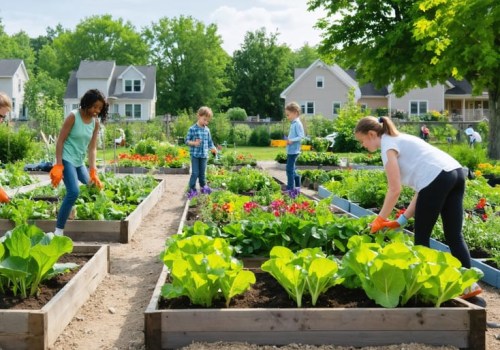
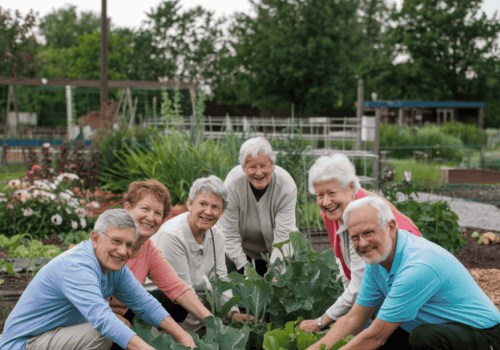
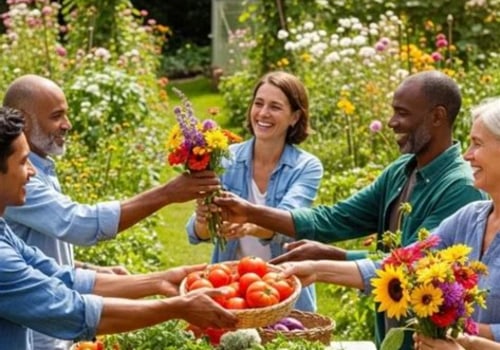
Community gardening is more than just a trend; it is a powerful movement that fosters connections among individuals, promotes sustainability, and enhances the overall quality of life in neighborhoods. By transforming vacant lots and underutilized spaces into vibrant gardens, communities can cultivate not only fresh produce but also a sense of belonging and shared purpose. The benefits of community gardening extend far beyond the physical act of planting seeds; they encompass social, educational, and environmental dimensions that can significantly impact local schools and their students. One of the most compelling aspects of community gardening is its ability to bring people together. When schools participate in these initiatives, students learn valuable lessons about teamwork, responsibility, and the importance of nurturing the environment.
Engaging in hands-on gardening activities allows children to witness the fruits of their labor while developing a deeper appreciation for nature and healthy eating habits. Furthermore, community gardens serve as outdoor classrooms where educators can incorporate subjects like science, math, and art into practical learning experiences. Moreover, the impact of community gardening on local ecosystems cannot be overstated. These gardens contribute to biodiversity by providing habitats for various species and improving air quality through increased greenery. They also promote sustainable practices such as composting and organic farming, which are essential for maintaining healthy soil and reducing waste.
Involving schools in these efforts not only enriches students' education but also empowers them to become stewards of their environment, fostering a generation that values sustainability and community engagement.
Understanding the Role of Schools in Community Gardening
Schools play a crucial role in community gardening efforts, serving as both educational hubs and community anchors. By integrating gardening programs into their curricula, schools can foster a deeper understanding of environmental stewardship among students.Educational Benefits of Gardening
- Hands-on Learning: Gardening provides students with practical experience in biology, ecology, and nutrition. This hands-on approach enhances their understanding of these subjects beyond traditional classroom settings.
- Life Skills Development: Through gardening, students learn essential skills such as teamwork, responsibility, and patience. These skills are invaluable as they prepare for future challenges.
- Health Awareness: Engaging in gardening encourages students to appreciate fresh produce and understand the importance of healthy eating habits.
By collaborating with community organizations, schools can:
- Host Workshops: Schools can organize workshops that teach students and community members about sustainable gardening practices.
- Create School Gardens: Establishing gardens on school grounds not only beautifies the environment but also serves as a living laboratory for students.
- Involve Parents and Community Members: Schools can invite parents and local residents to participate in gardening activities, fostering a sense of community ownership and pride.
Creating Partnerships Between Schools and Community Gardens
Establishing partnerships between local schools and community gardens can create a vibrant ecosystem of learning and growth. Here are several strategies to foster these collaborations:- Engage School Administrators: Start by reaching out to school administrators to discuss the benefits of community gardening. Highlight how these gardens can serve as outdoor classrooms, providing hands-on learning experiences in subjects like science, nutrition, and environmental studies.
- Curriculum Integration: Work with teachers to integrate gardening into the curriculum.
This could involve science projects on plant biology, math lessons involving measurements for garden plots, or art classes focused on creating garden signage.
- Volunteer Programs: Create opportunities for students to volunteer at community gardens. This not only helps maintain the garden but also instills a sense of responsibility and teamwork among students.
- Garden Clubs: Encourage the formation of garden clubs within schools. These clubs can take ownership of a section of the community garden, allowing students to plan, plant, and harvest their own crops.
- Workshops and Events: Organize workshops that invite students and their families to participate in gardening activities. Events like planting days or harvest festivals can strengthen community ties and promote healthy eating.
The mutual benefits of such partnerships can lead to healthier communities and more engaged citizens.
Incorporating Gardening into School Curricula
Integrating gardening into school curricula offers a unique opportunity to enhance students' learning experiences while promoting environmental stewardship. Educational gardening programs can serve as a hands-on approach to teaching various subjects, from science to art.Benefits of Educational Gardening Programs
- Hands-On Learning: Students engage in practical activities that reinforce theoretical knowledge, such as understanding plant biology, ecosystems, and nutrition.
- Life Skills Development: Gardening teaches responsibility, teamwork, and patience as students care for plants and work collaboratively.
- Health Awareness: Programs can educate students about healthy eating habits by growing their own fruits and vegetables, fostering a connection between food sources and nutrition.
Successful Examples of Gardening in Schools
Many schools across the country have successfully integrated gardening into their curricula. For instance, the Edible Schoolyard Project in Berkeley, California, has transformed schoolyards into productive gardens where students learn about sustainable agriculture while participating in cooking classes that emphasize the importance of fresh produce.Another notable example is the School Garden Network, which provides resources and support for schools to establish their own gardens. This initiative not only enhances academic performance but also fosters a sense of community as students collaborate with local gardeners and parents.
Integrating Gardening Across Subjects
Gardening can be seamlessly integrated into various subjects:
- Science: Students can study plant life cycles, soil health, and the role of pollinators.
- Math: Measuring garden plots, calculating growth rates, and budgeting for supplies can enhance mathematical skills.
- Art: Students can create garden-themed art projects or design garden layouts.
The positive outcomes of these programs extend beyond the classroom, fostering a sense of community and environmental responsibility among young learners.
Organizing Community Gardening Events with Schools
Engaging local schools in community gardening efforts can foster a sense of responsibility and environmental stewardship among students. Here are some effective ways to organize community gardening events with schools:- Seasonal Planting Days: Coordinate with schools to host seasonal planting days where students can plant flowers, vegetables, or herbs in a designated community garden. This hands-on experience not only teaches them about gardening but also the importance of local food systems.
- Gardening Workshops: Organize workshops led by local gardening experts or enthusiastic community members. These workshops can cover topics such as soil health, composting, and pest management, providing students with valuable skills they can apply in their own gardens.
- Garden Design Competitions: Encourage creativity by hosting a garden design competition among classes.
Students can submit their designs for a section of the community garden, and the winning design can be implemented, giving them a sense of ownership and pride.
- Field Trips: Arrange field trips to local community gardens or farms. This exposure allows students to see real-world applications of their classroom learning and inspires them to participate actively in gardening initiatives.
- Collaborative Projects: Partner with teachers to integrate gardening into the curriculum. For example, science classes can study plant biology while participating in the garden, and art classes can create garden markers or decorations.
Engaging Students through Hands-On Learning Experiences
Incorporating community gardening into school curricula offers a unique opportunity for hands-on learning that can significantly enhance student engagement. By participating in gardening projects, students can connect theoretical knowledge with practical application, fostering a deeper understanding of environmental science, biology, and nutrition.Experiential education
through gardening allows students to witness the growth process firsthand, from seed to harvest.This not only cultivates a sense of responsibility but also encourages teamwork and collaboration among peers. Schools can implement various programs to maximize student involvement:
- Garden Clubs: Establishing after-school garden clubs can provide students with regular opportunities to engage in gardening activities, learn about plant care, and develop leadership skills.
- Curriculum Integration: Teachers can integrate gardening into subjects like science and math. For example, students can measure plant growth or calculate the area needed for different crops.
- Seasonal Workshops: Organizing workshops during planting and harvesting seasons can help students learn about seasonal crops and sustainable practices while actively participating in the garden.
- Community Events: Involving students in community gardening events, such as farmers' markets or local festivals, can enhance their sense of community and provide real-world experience in agricultural practices.
This hands-on approach not only enriches their educational experience but also instills lifelong skills that extend beyond the classroom.Ultimately, by creating these experiential learning opportunities through community gardening, schools can inspire the next generation to become environmentally conscious citizens who value sustainability and community involvement.
Utilizing Technology to Enhance Community Gardening Efforts in Schools
Incorporating technology into community gardening efforts in schools can significantly enhance educational experiences and engagement among students. By utilizing various digital tools and resources, schools can create a more interactive and informative gardening program.Apps for Gardening Education
- Garden Planner Apps: These applications allow students to design their garden layouts, helping them understand space utilization and plant compatibility. Popular options include Garden Planner and Smart Gardener.
- Plant Identification Apps: Tools like PlantSnap or PictureThis enable students to identify plants and learn about their care requirements, fostering a deeper connection with the flora they are cultivating.
- Weather Tracking Apps: Utilizing apps that provide real-time weather updates can help students plan their gardening activities effectively. This knowledge is crucial for understanding how weather impacts plant growth.
Digital Tools for School Gardens
- Online Gardening Communities: Platforms such as GardenWeb or local Facebook groups can connect students with experienced gardeners, allowing them to ask questions and share their gardening experiences.
- YouTube Tutorials: Video resources can provide step-by-step guides on various gardening techniques, from planting seeds to pest management, making learning more accessible and engaging.
- Sustainability Tracking Software: Tools that help track the sustainability of gardening practices can educate students on environmental impact, encouraging them to adopt eco-friendly methods.
The combination of hands-on gardening experience with digital learning tools creates a comprehensive approach that fosters both knowledge and passion for sustainable practices.
Overcoming Challenges in School-Community Gardening Collaborations
Involving local schools in community gardening efforts can be a rewarding experience, but it often comes with its own set of challenges. Understanding these obstacles is the first step toward creating effective partnerships.Common Challenges:- Lack of Resources: Schools may struggle with limited funding, materials, or manpower to initiate and maintain a garden.
- Time Constraints: Teachers and students often have packed schedules, making it difficult to allocate time for gardening activities.
- Curriculum Integration: Finding ways to align gardening projects with educational standards can be challenging.
- Community Engagement: Engaging parents and local community members can be difficult, especially if they are unaware of the benefits of community gardening.
- Resource Sharing: Partner with local gardening organizations or nonprofits that can provide materials, expertise, and volunteers. This collaboration can alleviate the burden on schools and enhance the gardening experience.
- Flexible Scheduling: Create a gardening club that meets after school or during weekends. This allows students who are interested to participate without conflicting with their academic responsibilities.
- Curriculum Development: Work with educators to develop lesson plans that incorporate gardening into subjects like science, math, and art.
This not only enriches the curriculum but also demonstrates the educational value of community gardening.
- Community Workshops: Organize workshops for parents and community members to showcase the benefits of gardening. This can foster a sense of ownership and encourage more people to get involved.
Success Stories: Schools Thriving Through Community Gardening Initiatives
Community gardening initiatives in schools have proven to be transformative, not only for the students involved but also for the surrounding community. Here are some inspiring success stories that highlight the positive outcomes of these programs.- Greenwood Elementary School : This school implemented a community garden that serves as an outdoor classroom. Students engage in hands-on learning about biology, ecology, and nutrition.
The garden has led to a 30% increase in student participation in science-related activities, showcasing how community gardening can enhance educational outcomes.
- Lincoln High School : Partnering with local farmers, Lincoln High established a garden that not only provides fresh produce for the school cafeteria but also teaches students about sustainable agriculture. The initiative has reduced food waste by 25% and has inspired students to pursue careers in environmental science.
- Maplewood Middle School : This school’s garden project involved parents and local businesses, creating a sense of community ownership. The garden has become a hub for family events and workshops, fostering stronger relationships among families and enhancing community ties.
By sharing these stories, we hope to inspire more schools to embrace community gardening as a valuable educational tool.
Conclusion: The Future of Community Gardening with Schools Involvement
As we look towards the future of community gardening, the collaboration between local schools and community gardens emerges as a vital component for sustainable growth and educational enrichment. The integration of gardening programs within school curricula not only fosters a sense of responsibility among students but also cultivates a deeper understanding of environmental stewardship.Throughout this article, we have explored various strategies to engage schools in community gardening efforts, highlighting the mutual benefits that arise from such partnerships. Schools can serve as pivotal hubs for community engagement, where students, teachers, and parents come together to learn about sustainable practices while contributing to local food systems.- Educational Benefits: Involving students in gardening activities enhances their learning experiences by providing hands-on opportunities to apply scientific concepts, understand nutrition, and appreciate biodiversity.
- Community Engagement: Schools can act as catalysts for community involvement, encouraging families and local residents to participate in gardening initiatives, thereby strengthening community ties.
- Health and Wellness: Access to fresh produce through school gardens promotes healthier eating habits among students, which can lead to improved overall well-being.
By fostering a culture of cooperation, we can create vibrant green spaces that not only beautify our neighborhoods but also serve as educational platforms for future generations.In conclusion, the future of community gardening lies in our ability to harness the potential of local schools. By working together, we can cultivate not just plants but also a sense of community, responsibility, and environmental awareness that will benefit us all.