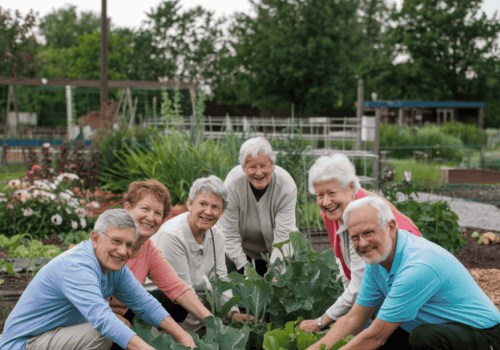
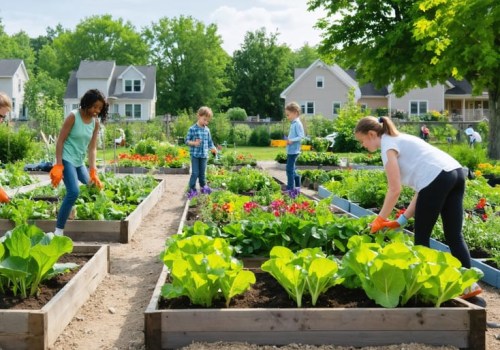
Community gardening is a collaborative effort where individuals come together to cultivate a shared piece of land, transforming it into a vibrant space for growing fruits, vegetables, and flowers. This practice not only fosters a sense of community but also promotes sustainable living and environmental stewardship. In both urban and rural settings, community gardens serve as essential green spaces that enhance the quality of life for residents, providing access to fresh produce and a platform for social interaction. The benefits of community gardening extend far beyond the physical act of planting seeds. These gardens can significantly improve mental health by offering a peaceful retreat from the hustle and bustle of daily life.
They also encourage physical activity, as participants engage in gardening tasks that promote fitness and well-being. Furthermore, community gardens often become educational hubs where individuals can learn about sustainable practices, nutrition, and the importance of biodiversity. As we delve deeper into the various types of community gardening, it becomes clear that each model serves unique purposes and caters to different community needs. From traditional plots where individuals cultivate their own vegetables to more structured programs that focus on food justice and accessibility, understanding these diverse approaches is crucial for anyone interested in participating in or starting a community garden. By exploring these types, we can appreciate how community gardening not only nourishes the body but also strengthens the bonds between neighbors and fosters a sense of belonging.
Types of Community Gardening
Community gardening encompasses a variety of styles and formats, each designed to meet the unique needs of the community it serves.Understanding these different types can help individuals choose the right model for their local area.
1.Allotment Gardens
Allotment gardens are individual plots of land that are rented out to community members. Each gardener is responsible for their own plot, allowing for personal expression and cultivation of a variety of plants. This type fosters a sense of ownership and responsibility among participants.2.Shared Gardens
In shared gardens, community members collaborate on a single plot, working together to grow vegetables, herbs, and flowers. This model encourages teamwork and social interaction, making it ideal for neighborhoods looking to strengthen community bonds.3.Educational Gardens
These gardens serve as outdoor classrooms where individuals, especially children, can learn about gardening, sustainability, and nutrition.Educational gardens often partner with schools or local organizations to provide hands-on learning experiences.
4.Therapeutic Gardens
Designed to promote mental and physical well-being, therapeutic gardens are often found in hospitals or rehabilitation centers. They provide a peaceful environment where individuals can engage in gardening activities that enhance their recovery and relaxation.5.Urban Farms
Urban farms take community gardening to a larger scale by integrating agricultural practices into urban settings. These farms often focus on producing food for local markets while also providing educational opportunities and job training for community members.6.Pocket Gardens
Pocket gardens are small green spaces created in urban areas, often utilizing vacant lots or underutilized spaces. These gardens can beautify neighborhoods while providing fresh produce and fostering community engagement. Each type of community gardening offers unique benefits and opportunities for involvement, making it essential for communities to assess their needs and resources when selecting a gardening model.Allotment Gardens
Allotment gardens are designated plots of land that individuals or families can rent to grow their own fruits, vegetables, and flowers.These gardens are typically found in urban areas where space is limited, allowing city dwellers to engage in gardening and connect with nature.The concept of allotment gardening dates back to the 19th century in Europe, where they were established to provide working-class families with the opportunity to cultivate their own food. Over time, these gardens have evolved into vibrant community spaces that foster social interaction and environmental stewardship.
How Allotment Gardens Function
Allotment gardens are usually managed by local councils or community organizations. Individuals can apply for a plot, which is often a small piece of land ranging from 10 to 50 square meters. Rent is typically low, making it accessible for many people.Gardeners are responsible for maintaining their plots, which encourages a sense of ownership and pride.
Benefits of Allotment Gardens
- Food Security: Allotment gardens provide a source of fresh produce, helping families reduce grocery bills and improve their diets.
- Community Building: These gardens create a sense of community as neighbors come together to share resources, knowledge, and experiences.
- Environmental Impact: By growing their own food, gardeners contribute to reducing carbon footprints associated with transporting food over long distances.
- Mental Health: Gardening has been shown to reduce stress and improve mental well-being, offering a therapeutic escape from urban life.
Community-Supported Agriculture (CSA)
Community-Supported Agriculture (CSA) is a model that fosters a direct relationship between consumers and local farmers, allowing individuals to invest in a farm's production in exchange for a share of the harvest. This innovative approach not only supports local agriculture but also promotes sustainable practices and enhances food security within communities.In a typical CSA arrangement, members pay upfront for a subscription that provides them with fresh produce throughout the growing season. This model benefits both parties: farmers receive financial support at the beginning of the season, which helps cover costs, while consumers enjoy access to fresh, seasonal, and often organic produce.Benefits of Community-Supported Agriculture
- Freshness and Quality: CSA members receive freshly harvested produce, often picked just hours before delivery.
This ensures maximum flavor and nutritional value.
- Seasonal Eating: Members learn to eat with the seasons, which can lead to a more varied diet and an appreciation for local food cycles.
- Support for Local Farmers: By participating in a CSA, consumers directly support local agriculture, helping to sustain small farms and promote biodiversity.
- Community Connection: CSAs often foster a sense of community among members through farm events, volunteer opportunities, and shared experiences.
- Sustainability: Many CSAs prioritize organic farming practices, reducing reliance on chemical fertilizers and pesticides, which benefits the environment.
School Gardens
School gardens serve as a dynamic educational tool that fosters a deeper understanding of nutrition, ecology, and community involvement among students. These gardens are not just patches of soil; they are vibrant learning environments where children can engage with nature and learn about the food they eat.One of the primary benefits of school gardens is their ability to enhance students' nutritional awareness. By participating in the planting, maintenance, and harvesting of fruits and vegetables, students gain firsthand experience with healthy eating habits.This practical knowledge can lead to better food choices and a greater appreciation for fresh produce.Moreover, school gardens provide significant educational value. They can be integrated into various subjects such as science, math, and art. For instance:
- Science: Students can learn about plant biology, ecosystems, and the importance of biodiversity.
- Math: Garden activities can involve measuring plant growth, calculating areas for planting, and understanding ratios in recipes.
- Art: Students can create garden-themed art projects or design garden layouts.
This collective effort not only strengthens community ties but also provides opportunities for families to engage in healthy activities together. Events such as harvest festivals or garden workshops can further enhance this sense of community.In conclusion, school gardens are invaluable assets that contribute to the holistic development of students. They cultivate not only plants but also knowledge, skills, and a sense of responsibility towards health and the environment.
Urban Farms
Urban farms represent a vital aspect of community gardening, transforming underutilized spaces in cities into productive agricultural sites. These farms not only provide fresh produce but also foster community engagement and resilience.Benefits of Urban Farming
- Food Security: Urban farms play a crucial role in enhancing food security by providing local access to fresh fruits and vegetables.
This is particularly important in food deserts, where residents may lack access to affordable, healthy food options.
- Economic Development: By creating jobs and supporting local economies, urban farms contribute to economic revitalization. They often source materials locally and sell produce at farmers' markets, keeping money within the community.
- Environmental Impact: Urban farming promotes sustainability by reducing the carbon footprint associated with transporting food. Additionally, these farms can improve urban biodiversity and help mitigate the urban heat island effect.
- Community Building: Urban farms serve as gathering places for community members, fostering social connections and collaboration. They often host workshops, volunteer days, and educational programs that engage residents of all ages.
Urban Farming vs Community Gardening
While both urban farming and community gardening aim to enhance local food systems, they differ in scale and purpose.
Urban farms typically operate on a larger scale and may focus on commercial production, whereas community gardens are often smaller plots managed by local residents for personal use or small-scale distribution. Despite these differences, both practices share the common goal of promoting sustainable agriculture and strengthening community ties.In conclusion, urban farms are a dynamic form of community gardening, offering numerous benefits that extend beyond just food production. They are essential for building resilient communities and addressing pressing issues such as food insecurity and economic disparity in urban areas.
Collective Gardens
Collective gardens represent a unique approach to community gardening, where individuals come together to cultivate a shared space. These gardens are not just about growing plants; they are about fostering collaboration and building relationships among community members.In a collective garden, participants typically share responsibilities, resources, and the harvest.This model encourages a sense of ownership and accountability, as each member contributes their skills and labor towards a common goal. The collaborative nature of these gardens can lead to stronger community ties and a greater sense of belonging.
Benefits of Collective Gardening
- Resource Sharing: Collective gardens allow members to pool resources such as tools, seeds, and knowledge. This sharing reduces individual costs and promotes sustainability.
- Skill Development: Participants can learn from one another, gaining valuable gardening skills and techniques that they might not have acquired alone.
- Social Interaction: These gardens serve as social hubs where people can meet, interact, and build friendships. This social aspect is crucial for community cohesion.
- Environmental Impact: By working together, community members can implement eco-friendly practices that benefit the local environment, such as composting and organic gardening.
- Food Security: Collective gardens can enhance food security by providing fresh produce to participants, which is especially important in urban areas with limited access to healthy food options.
They not only yield fresh produce but also cultivate relationships and foster a spirit of cooperation among neighbors. By participating in a collective garden, individuals contribute to a larger movement that emphasizes sustainability, education, and community well-being.
Therapeutic Gardens
Therapeutic gardens are specially designed spaces that promote healing and well-being through the act of gardening. These gardens are often found in hospitals, rehabilitation centers, and community spaces, providing a serene environment where individuals can connect with nature and engage in physical activity.The benefits of therapeutic gardening extend beyond mere aesthetics. Engaging with plants and soil can significantly enhance mental health by reducing stress, anxiety, and depression.The act of nurturing plants fosters a sense of responsibility and accomplishment, which can be particularly beneficial for individuals facing mental health challenges.
Healing Through Gardening
Gardening has been shown to have numerous psychological benefits:- Stress Reduction: Spending time in a garden can lower cortisol levels, leading to a more relaxed state of mind.
- Improved Mood: The physical activity involved in gardening releases endorphins, which can elevate mood and promote feelings of happiness.
- Social Interaction: Community gardens often bring people together, fostering social connections that can combat feelings of isolation.
- Cognitive Benefits: Gardening requires planning and problem-solving skills, which can help improve cognitive function and memory.
FAQs about Community Gardening
Community gardening is a rewarding way to engage with your neighbors while cultivating fresh produce and beautiful flowers. Here are some frequently asked questions about community gardening that can help you get started and make the most of your gardening experience.What is community gardening?
Community gardening refers to the practice of individuals coming together to cultivate a shared piece of land.These gardens can serve various purposes, including growing food, beautifying neighborhoods, and fostering social connections.
How do I start a community garden?
- Gather Interest: Start by talking to your neighbors and gauging interest in forming a community garden.
- Find a Suitable Location: Look for available land, such as vacant lots or parks, that can be transformed into a garden.
- Form a Committee: Create a group of dedicated individuals who will help organize and manage the garden.
- Plan the Garden: Decide on what to plant, how to divide plots, and establish rules for maintenance and harvesting.
- Secure Funding: Consider applying for grants or organizing fundraisers to cover costs for tools, seeds, and other supplies.
What are the benefits of community gardening?
- Fresh Produce: Community gardens provide access to fresh fruits and vegetables, promoting healthier eating habits.
- Social Interaction: They foster a sense of community by bringing people together from diverse backgrounds.
- Environmental Impact: Community gardens contribute to urban greening efforts and improve local biodiversity.
- Educational Opportunities: They serve as platforms for teaching gardening skills and sustainable practices.
Conclusion: The Impact of Community Gardening on Society
In conclusion, community gardening serves as a vital tool for enhancing social cohesion and promoting environmental sustainability. Throughout this article, we have explored various aspects of community gardening, highlighting its multifaceted benefits. One of the most significant impacts of community gardening is its ability to foster social connections. By bringing together individuals from diverse backgrounds, these gardens create a sense of belonging and community spirit.Participants often share knowledge, resources, and experiences, which can lead to lasting friendships and a stronger neighborhood identity. Moreover, community gardens play a crucial role in promoting environmental sustainability. They encourage local food production, reduce carbon footprints associated with transporting food, and enhance urban biodiversity. By transforming vacant lots into green spaces, these gardens not only beautify neighborhoods but also contribute to improved air quality and soil health. Additionally, community gardening can serve as an educational platform. Many gardens offer workshops and programs that teach participants about sustainable practices, nutrition, and the importance of local ecosystems.
This knowledge empowers individuals to make informed choices about their food sources and environmental impact. Ultimately, the significance of community gardening extends beyond mere cultivation of plants; it cultivates relationships, nurtures the environment, and fosters a sense of responsibility towards our shared spaces. As communities continue to embrace this practice, the potential for positive change becomes increasingly evident. In summary, investing in community gardening initiatives is not just about growing food; it is about growing communities. By supporting these efforts, we can create healthier, more connected societies that prioritize both social well-being and environmental stewardship.