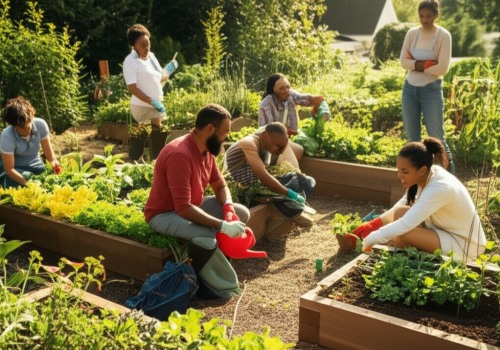
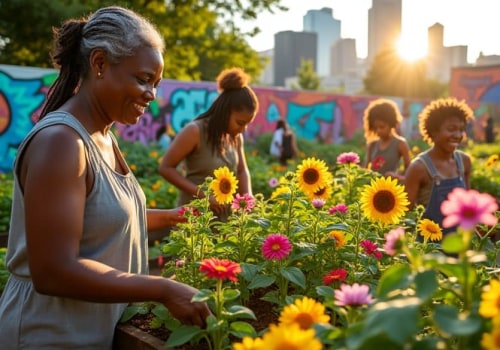
Community gardening is a collaborative effort where individuals come together to cultivate a shared piece of land, fostering not only the growth of plants but also the growth of community bonds. This practice transcends mere gardening; it serves as a platform for social interaction, education, and environmental stewardship. By engaging in community gardening, participants can enjoy the therapeutic benefits of nature while contributing to local food systems and enhancing their neighborhoods. The benefits of community gardening are manifold. They include improved mental health, increased physical activity, and the opportunity to learn sustainable gardening practices.
Moreover, community gardens can serve as vital resources for fresh produce in urban areas, addressing food deserts and promoting healthier eating habits. These gardens also create spaces for cultural exchange and community engagement, making them essential for building inclusive environments. As we explore ways to involve people with disabilities in these enriching activities, it is crucial to understand that community gardening is inherently about inclusivity. By adapting practices and creating accessible spaces, we can ensure that everyone, regardless of their abilities, can participate in the joys and rewards of gardening. This not only enhances the experience for individuals with disabilities but also enriches the community as a whole, fostering a sense of belonging and shared purpose.
The Importance of Inclusivity in Community Gardening
Inclusivity in community gardening is not just a moral imperative; it is essential for fostering a vibrant and diverse community.Engaging individuals with disabilities in gardening activities can lead to numerous social, emotional, and physical benefits that enrich the entire community.
Social Benefits:
When people with disabilities participate in community gardening, they have the opportunity to connect with others, build friendships, and develop a sense of belonging. This interaction helps break down barriers and stereotypes, promoting understanding and acceptance among community members. By working side by side, individuals can share experiences and learn from one another, creating a more cohesive community.Emotional Benefits:
Gardening has been shown to have therapeutic effects, particularly for individuals with disabilities. The act of nurturing plants can boost self-esteem and provide a sense of accomplishment.Additionally, being outdoors and engaging with nature can reduce stress and anxiety levels. For many, the garden becomes a sanctuary where they can express themselves freely and find joy in their contributions.
Physical Benefits:
Community gardening encourages physical activity, which is vital for everyone, including those with disabilities. Tailoring gardening tasks to accommodate various abilities ensures that everyone can participate at their own level. Activities such as planting, watering, or harvesting can be adapted to suit different mobility needs, promoting health and well-being.Moreover, inclusive community gardening fosters a sense of ownership among participants.When individuals with disabilities see their efforts reflected in the garden's growth, it instills pride and motivates them to continue contributing. This sense of purpose is invaluable in enhancing their quality of life.In conclusion, prioritizing inclusivity in community gardening not only benefits individuals with disabilities but also strengthens the fabric of the entire community. By embracing diversity in our gardens, we cultivate not just plants but also relationships that thrive on mutual respect and understanding.
Creating Accessible Garden Spaces
Creating accessible garden spaces is essential for ensuring that individuals with disabilities can fully participate in community gardening activities. Thoughtful design elements can significantly enhance the gardening experience for everyone involved.Accessible garden design
should prioritize wide pathways that accommodate wheelchairs and mobility aids.A minimum width of 36 inches is recommended to allow for easy navigation. Additionally, using non-slip materials for pathways can prevent accidents and make the garden safer for all participants. Raised garden beds are another effective solution. These beds should be at a height that allows individuals in wheelchairs to reach them comfortably, typically between 24 to 36 inches high. This design not only makes gardening more accessible but also reduces the strain on those who may have difficulty bending or kneeling.
Sensory Features
Incorporating sensory gardens can further enhance accessibility and engagement.Sensory gardens are designed to stimulate the senses through various plants, textures, and sounds. Consider including:
- Fragrant plants: Lavender, rosemary, and other aromatic herbs can provide a delightful olfactory experience.
- Tactile elements: Incorporate plants with different textures, such as fuzzy lamb's ear or smooth hostas, to engage touch.
- Sound features: Wind chimes or water features can add auditory stimulation, making the garden more inviting.
This inclusivity not only enriches the gardening experience but also fosters a sense of belonging within the community.
Adaptive Gardening Techniques
Incorporating adaptive gardening techniques is essential for making community gardening accessible to individuals with disabilities. These methods not only enhance participation but also foster a sense of belonging and achievement among all gardeners.Raised Garden Beds
One of the most effective adaptive gardening methods is the use of raised garden beds. These beds can be built at varying heights, allowing individuals who use wheelchairs or have limited mobility to reach the plants easily. Additionally, raised beds can be designed with wider paths to accommodate mobility aids.Ergonomic Tools
Utilizing tools for disabled gardeners can significantly improve the gardening experience.Ergonomic tools, such as those with padded grips and extended handles, reduce strain on the hands and back. Tools like trowels, weeders, and pruners designed specifically for ease of use can empower individuals with limited strength or dexterity.
Adaptive Techniques
- Container Gardening: Using pots and containers allows for flexibility in placement and height, making it easier for individuals to tend to their plants without bending over.
- Vertical Gardening: This technique maximizes space and minimizes the need for bending or kneeling. Vertical planters can be mounted on walls or fences, making them accessible from a standing position.
- Hydroponics and Aquaponics: These soil-less gardening methods can be adapted for indoor use, providing a controlled environment that is easier to manage for those with physical limitations.
Building a Supportive Community Environment
Creating a welcoming environment in community gardening initiatives is essential for fostering inclusivity and encouraging participation from individuals with disabilities.By implementing supportive measures, gardening groups can ensure that everyone feels valued and empowered to contribute.
1.Establishing Community Support
- Engage local organizations that specialize in disability services to provide resources and training for volunteers.
- Host informational sessions to educate community members about the benefits of inclusivity in gardening.
- Encourage open dialogue among participants to share experiences and suggestions for improvement.
2.Fostering Inclusivity in Gardening Groups
- Create a diverse leadership team that includes individuals with disabilities, ensuring their voices are heard in decision-making processes.
- Design garden layouts that accommodate various mobility needs, such as raised beds and wide pathways.
- Offer flexible volunteer roles that cater to different abilities, allowing everyone to contribute in a way that suits them best.
3.Volunteer Roles in Community Gardens
- Assign specific tasks based on individual strengths, such as planting, watering, or organizing events.
- Encourage peer mentorship, where experienced gardeners can support newcomers, fostering a sense of belonging.
- Implement regular feedback sessions to assess the effectiveness of volunteer roles and make necessary adjustments.
Organizing Inclusive Gardening Events and Workshops
Organizing inclusive gardening events and workshops is essential for fostering a sense of community and ensuring that everyone, regardless of ability, can participate in community gardening activities. Here are some effective strategies to consider:- Accessibility Planning: Ensure that the venue is accessible to individuals with mobility challenges. This includes having wheelchair ramps, accessible restrooms, and designated parking spaces.
- Adaptive Tools: Provide gardening tools that are designed for ease of use by individuals with varying abilities.
Tools with ergonomic handles or those that require less strength can make a significant difference.
- Skill-Based Workshops: Organize workshops that cater to different skill levels. For example, beginners can learn about planting seeds, while more experienced gardeners can explore advanced techniques like composting or pest management.
- Sensory Gardens: Create a sensory garden where participants can engage with plants through touch, smell, and sight. This type of garden can be particularly beneficial for individuals with visual impairments or sensory processing disorders.
- Collaborative Projects: Encourage teamwork by organizing group projects where participants can work together on larger gardening tasks. This not only builds community but also allows individuals to learn from one another.
- Flexible Scheduling: Offer events at various times to accommodate different schedules and energy levels.
Consider hosting shorter sessions or providing breaks during longer workshops.
Success Stories: Case Studies of Inclusive Community Gardens
Inclusive community gardens have emerged as powerful platforms for fostering social interaction and empowerment among individuals with disabilities. Here are some inspiring success stories that illustrate how these gardens can create meaningful opportunities for participation.1.The Green Thumb Project
Located in a suburban neighborhood, the Green Thumb Project is a community garden that has successfully integrated individuals with various disabilities into its activities. The garden features raised beds that are wheelchair accessible, allowing participants to engage in planting and harvesting without physical barriers.Volunteers work alongside individuals with disabilities, promoting teamwork and social connections. Feedback from participants highlights increased self-esteem and a sense of belonging.
2.Urban Oasis Garden
The Urban Oasis Garden, situated in an urban area, has implemented sensory-friendly gardening practices to cater to individuals with sensory processing disorders. The garden includes plants with diverse textures, colors, and scents, creating an engaging environment for all participants. Workshops are held regularly, focusing on adaptive gardening techniques that empower individuals with disabilities to take ownership of their gardening experience.3.Community Roots Initiative
This initiative focuses on creating inclusive spaces by collaborating with local organizations that support people with disabilities.The Community Roots Initiative has established a mentorship program where experienced gardeners guide individuals with disabilities through the gardening process. This not only enhances gardening skills but also fosters friendships and community ties.
4.Harvest for All
The Harvest for All program emphasizes the importance of accessibility in community gardening. By providing adaptive tools and resources, this program ensures that everyone can participate in gardening activities. Success metrics include increased participation rates among individuals with disabilities and positive feedback regarding the sense of community fostered through shared gardening experiences.These case studies exemplify how inclusive community gardens can serve as vital resources for individuals with disabilities, promoting not only gardening skills but also social inclusion and personal growth.Frequently Asked Questions about Community Gardening and Disabilities
Community gardening can be a rewarding experience for everyone involved, including individuals with disabilities.Here are some frequently asked questions that can help guide your efforts in creating an inclusive gardening environment.
What are some common barriers for people with disabilities in community gardening?
Individuals with disabilities may face various barriers when participating in community gardening, such as:- Physical accessibility: Raised beds, wide pathways, and accessible tools can help accommodate mobility challenges.
- Communication: Some individuals may have difficulty understanding instructions or expressing their needs, necessitating clear communication methods.
- Social inclusion: Ensuring that all participants feel welcome and valued is crucial for fostering a supportive community.
How can I make a community garden more inclusive?
To create an inclusive community garden, consider the following strategies:- Design for accessibility: Incorporate features like raised beds, wide paths, and seating areas to accommodate various mobility needs.
- Provide adaptive tools: Use ergonomic tools and equipment that are easier to handle for individuals with limited strength or dexterity.
- Offer training and support: Provide workshops or one-on-one assistance to help individuals learn gardening skills at their own pace.
What resources are available for starting a community garden for disabled individuals?
There are numerous resources available to assist in starting a community garden that is inclusive of individuals with disabilities:- Local non-profits: Many organizations focus on disability advocacy and can provide guidance on best practices for inclusivity.
- Government grants: Look for funding opportunities aimed at enhancing accessibility in community projects.
- Online forums and communities: Engage with other gardeners who have experience in inclusive practices to share ideas and solutions.