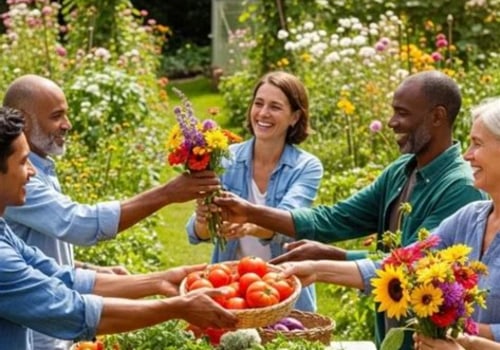
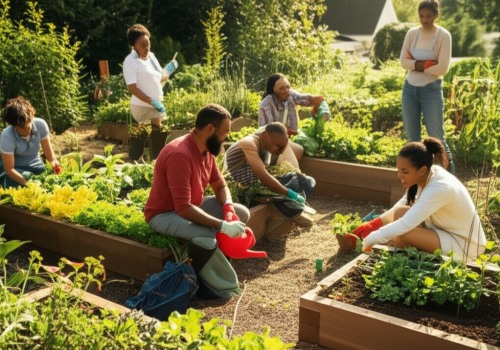
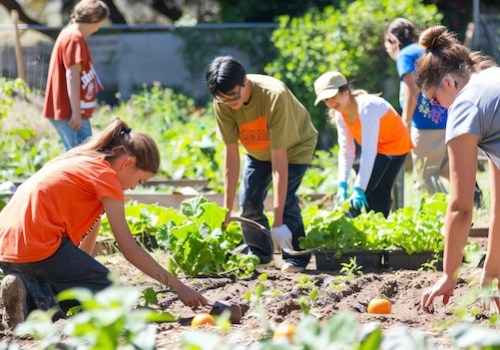
Community gardening is a collaborative effort where individuals come together to cultivate a shared piece of land, often in urban or suburban settings. This practice not only allows participants to grow their own fruits, vegetables, and flowers but also fosters a sense of community and belonging. By working side by side, gardeners can share knowledge, resources, and the joy of nurturing plants, creating a vibrant social network that extends beyond the garden itself. The benefits of community gardening are manifold. For one, it promotes sustainable practices by encouraging local food production and reducing the carbon footprint associated with transporting food.
Additionally, community gardens can transform neglected spaces into lush, productive areas that enhance the aesthetic appeal of neighborhoods. They also serve as educational platforms where individuals can learn about horticulture, nutrition, and environmental stewardship. Moreover, engaging in community gardening can significantly improve mental health and well-being. The act of gardening has been shown to reduce stress, increase physical activity, and foster social connections. As people work together to plant and maintain their gardens, they build friendships and support systems that can lead to a stronger, more resilient community. In essence, community gardening is not just about growing food; it’s about cultivating relationships and enhancing the quality of life for everyone involved.
Whether you’re an experienced gardener or a complete novice, getting involved in a community garden can be a rewarding experience that enriches both your life and your neighborhood.
Benefits of Community Gardening
Community gardening offers a multitude of benefits that extend beyond just growing plants. Engaging in this collaborative effort can significantly enhance your quality of life and foster a sense of belonging.Social Benefits
One of the most compelling reasons to join a community garden is the opportunity for social interaction. These gardens serve as a hub for individuals from diverse backgrounds to come together, share knowledge, and build friendships. Participating in community gardening can:- Encourage teamwork and collaboration.
- Foster a sense of community pride.
- Provide a platform for cultural exchange through shared gardening practices.
Environmental Advantages
Community gardens also play a crucial role in promoting environmental sustainability.By participating, you contribute to:
- The reduction of urban heat islands through increased greenery.
- The improvement of local biodiversity by providing habitats for various species.
- The promotion of organic gardening practices that reduce chemical use.
Health Benefits
Engaging in community gardening can have profound effects on your physical and mental health. The act of gardening itself is a form of exercise, which can lead to:- Improved physical fitness and strength.
- Reduced stress levels and enhanced mental well-being.
- A greater intake of fresh fruits and vegetables, contributing to better nutrition.
Finding a Community Garden Near You
Getting involved in community gardening starts with finding a garden near you. Here are some effective ways to locate local community gardens:- Online Resources: Websites like CommunityGarden.org offer a comprehensive directory of community gardens across the United States.
You can search by your zip code or city to find gardens in your area.
- Social Media: Platforms like Facebook and Instagram often have local groups dedicated to gardening. Search for terms like "community garden" along with your city name to discover nearby initiatives.
- Local Government Websites: Many cities have dedicated sections on their official websites that list community gardens, including information on how to join or volunteer.
- Community Centers and Libraries: These local hubs often have bulletin boards or staff who can provide information about nearby community gardens and gardening events.
- Networking: Attend local farmers' markets or gardening workshops. Engaging with fellow gardening enthusiasts can lead you to discover hidden gems in your community.
This is a great way to meet fellow gardeners and learn more about the garden's mission and activities.Additionally, if you’re unable to find a community garden that suits your interests, consider starting one! Connect with neighbors and local organizations to gauge interest, and explore resources available for establishing a new garden in your area.
How to Get Involved in Community Gardening
Getting involved in community gardening is a rewarding way to connect with nature and your neighbors. Here are the essential steps to join a community garden:- Research Local Community Gardens: Start by searching for community gardens in your area. Websites like LocalHarvest or Community Garden Network can help you find nearby options.
- Contact Organizers: Once you identify a garden, reach out to the organizers. This can often be done through their website or social media pages.
Ask about available plots, membership fees, and any specific requirements.
- Attend Meetings: Many community gardens hold regular meetings or events. Attend these gatherings to meet current members, learn about the garden's goals, and understand how you can contribute.
- Understand Membership Requirements: Each community garden may have different rules regarding membership. Some may require a small fee, while others might ask for volunteer hours in exchange for a plot. Make sure you are clear on these requirements before committing.
- Participate in Orientation: If the garden offers an orientation session for new members, make it a priority to attend.
This will provide you with valuable information about gardening practices, communal responsibilities, and the garden's culture.
- Start Gardening: Once you’ve completed the necessary steps, it’s time to get your hands dirty! Engage with fellow gardeners, share tips, and enjoy the fruits of your labor.
Roles and Responsibilities in Community Gardens
Community gardening is a collaborative effort that thrives on the diverse skills and contributions of its members. Understanding the various roles and responsibilities within a community garden can enhance the experience for everyone involved. Here are some key roles that participants may take on:- Garden Coordinator: This individual oversees the overall management of the garden, ensuring that all activities run smoothly. They organize meetings, communicate with members, and coordinate planting schedules.
- Volunteer Organizer: Responsible for recruiting and managing volunteers, this role involves scheduling workdays and ensuring that all tasks are covered.
They play a crucial part in maintaining enthusiasm and participation among members.
- Maintenance Crew: Members of this crew handle the physical upkeep of the garden, including weeding, watering, and general maintenance. Regular maintenance is essential for a thriving garden.
- Harvest Manager: This role focuses on overseeing the harvesting process, ensuring that crops are picked at their peak and distributed fairly among members. They may also coordinate with local food banks or community kitchens to donate excess produce.
- Education Coordinator: This person organizes workshops and educational sessions to teach gardening techniques, sustainability practices, and other relevant topics. They help foster a learning environment within the community.
- Participation: Regular attendance at meetings and workdays is vital for maintaining momentum and community spirit.
- Communication: Open lines of communication among members help address issues promptly and foster a sense of belonging.
- Respect for Shared Space: Members must treat the garden as a communal space, respecting others' plots and contributions.
Tips for Successful Community Gardening
Getting involved in community gardening can be a rewarding experience, but success often hinges on effective collaboration and sound gardening practices.Here are some practical tips to help you thrive in a community garden setting:
- Choose the Right Plants: Select plants that are well-suited to your local climate and soil conditions. Consider native species, as they often require less maintenance and are more resilient.
- Plan Together: Organize regular meetings with fellow gardeners to discuss planting schedules, crop rotation, and shared responsibilities. This fosters a sense of community and ensures everyone is on the same page.
- Establish Clear Guidelines: Create a set of rules for the garden that covers everything from plot assignments to maintenance duties. This helps prevent misunderstandings and keeps the garden running smoothly.
- Practice Sustainable Gardening: Use organic methods whenever possible.
Composting kitchen scraps and yard waste can enrich the soil while reducing waste. Additionally, consider implementing rainwater harvesting systems to conserve water.
- Share Resources: Pool resources with other gardeners. This could include sharing tools, seeds, or even knowledge about pest management and plant care.
- Encourage Diversity: Plant a variety of crops to promote biodiversity. This not only enhances the ecosystem but also reduces the risk of pests and diseases affecting your garden.
- Engage the Community: Host events such as workshops or harvest festivals to involve the broader community.
This can attract new members and foster a sense of pride in your garden.
Common Challenges in Community Gardening and How to Overcome Them
Community gardening can be a rewarding experience, but it also comes with its share of challenges. Understanding these common issues and knowing how to address them can significantly enhance the gardening experience for everyone involved.1.Limited Resources
One of the primary challenges in community gardening is the limited availability of resources, such as soil, water, and tools. Many community gardens operate on tight budgets, which can restrict access to necessary supplies.- Solution: Organize resource-sharing initiatives within the community.
This could involve pooling funds for bulk purchases or setting up a tool library where members can borrow equipment as needed.
2.Conflicting Schedules
Another common issue is the conflict of schedules among gardeners. With different work hours and personal commitments, it can be challenging to coordinate group activities like planting or maintenance days.- Solution: Establish a shared calendar that allows members to indicate their availability. This way, everyone can see when others are free, making it easier to plan group events.
3.Disagreements Among Members
Disagreements about gardening practices or plot management can lead to tension within the community. Different gardening philosophies may clash, causing friction among members.- Solution: Foster open communication by holding regular meetings where members can voice their opinions and discuss concerns.
Establishing clear guidelines for garden management can also help mitigate conflicts.
4.Pest and Disease Management
Pests and diseases are inevitable in any garden and can pose significant challenges in a community setting. A single infected plant can quickly spread issues throughout the garden.- Solution: Implement an integrated pest management (IPM) approach that includes regular monitoring, organic treatments, and education on identifying problems early. Encourage gardeners to share knowledge about effective pest control methods.
Community Gardening Success Stories
Community gardening has transformed neighborhoods and fostered connections among residents, leading to numerous inspiring success stories. These projects not only beautify urban spaces but also promote sustainability, health, and community spirit.1.The Incredible Edible Project
in Todmorden, England, is a prime example of how community gardening can change a town.
This initiative encourages locals to plant edible crops in public spaces, allowing anyone to harvest fresh produce. The project has not only increased access to healthy food but has also sparked a sense of pride and ownership among residents.
2.The GreenThumb Program
in New York City supports over 600 community gardens across the five boroughs. One standout garden, the La Plaza Cultural, serves as a vibrant hub for cultural events and workshops. This garden has become a model for integrating art, education, and agriculture, demonstrating how community gardening can enhance local culture.
3.The Urban Farm
in Denver, Colorado, showcases the power of community collaboration.
This farm not only provides fresh produce but also offers educational programs on sustainable farming practices. By engaging local schools and organizations, the Urban Farm has created a network of support that empowers residents to take charge of their food sources.
4.The South Central Farm
in Los Angeles was once the largest urban farm in the U.S., where over 350 families grew their own food. Although it faced challenges and was ultimately shut down, its legacy continues to inspire new community gardening initiatives across the country, highlighting the importance of food justice and community resilience.These success stories illustrate that community gardening is more than just planting seeds; it’s about cultivating relationships, fostering sustainability, and creating vibrant communities. By sharing these inspiring projects, we hope to motivate others to get involved in their local gardening initiatives and experience the profound impact they can have.
Frequently Asked Questions about Community Gardening
Community gardening is a rewarding way to engage with your local environment and neighbors.Here are some frequently asked questions that can help clarify common concerns and misconceptions about community gardens.
What is a community garden?
A community garden is a shared space where individuals come together to grow plants, vegetables, and flowers. These gardens can be located in urban or rural areas and often serve as a hub for community interaction and education.How do I find a community garden near me?
To locate a community garden in your area, consider the following options:- Check local government websites for community gardening initiatives.
- Visit platforms like American Community Gardening Association or local gardening clubs.
- Ask neighbors or friends if they know of any nearby gardens.
What are the benefits of participating in a community garden?
Participating in a community garden offers numerous benefits, including:- Access to fresh produce: Grow your own fruits and vegetables, promoting healthier eating.
- Community engagement: Meet new people and build relationships with fellow gardeners.
- Environmental impact: Contribute to local biodiversity and green spaces.
Are there any costs associated with joining a community garden?
Many community gardens require a small fee to cover maintenance costs, but this varies by location. Some gardens may also ask for volunteer hours in exchange for membership. It's best to inquire directly with the garden coordinator for specific details.Can anyone join a community garden?
Most community gardens welcome individuals of all ages and backgrounds.However, some may have specific membership requirements or waiting lists due to limited space. Always check with the garden's rules before applying.If you have more questions about community gardening, consider reaching out to local gardening groups or visiting community events where you can learn more and connect with experienced gardeners.