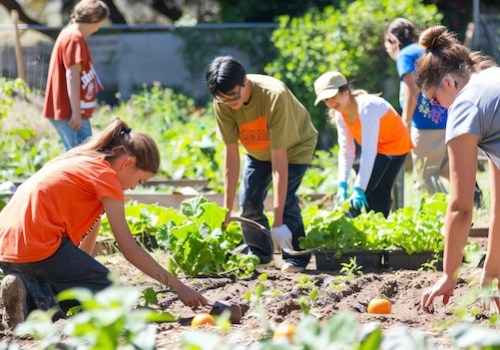
Community gardening is more than just a trend; it is a vital activity that fosters connection, health, and well-being among seniors. As individuals age, maintaining physical activity and social interactions becomes increasingly important.
Community gardening
offers a unique opportunity for seniors to engage in light physical exercise while enjoying the therapeutic benefits of nature. The act of planting, nurturing, and harvesting not only promotes physical health but also enhances mental clarity and emotional stability. Moreover, the social aspect of community gardening cannot be overstated.It serves as a platform for seniors to meet new people, share experiences, and build friendships. This sense of community can significantly reduce feelings of isolation and loneliness that many seniors face. By participating in group gardening activities, they can collaborate with others, exchange gardening tips, and celebrate their collective achievements, fostering a strong sense of belonging. Additionally, the impact of community gardening extends beyond individual benefits; it enriches the entire community. Gardens become vibrant spaces that attract diverse groups of people, encouraging intergenerational interactions and cultural exchanges.
For seniors, being part of such initiatives not only enhances their quality of life but also allows them to contribute positively to their neighborhoods. In essence, community gardening is a powerful tool that nurtures both personal growth and communal harmony.
Creating Accessible Gardening Spaces
Creating accessible gardening spaces is essential for involving seniors in community gardening activities. By designing gardens that cater to their needs, we can foster inclusivity and encourage participation.One effective way to enhance accessibility is through the use of raised garden beds. These beds can be elevated to a height that allows seniors to garden without bending over, reducing strain on their backs and knees.Ideally, raised beds should be between 24 to 36 inches high, making it easier for seniors to reach the soil and plants. Additionally, using materials like wood or composite can provide a sturdy structure that is both safe and durable.Another important aspect is the layout of the garden itself.
Wheelchair-friendly gardens
should feature wide pathways that accommodate mobility aids. Pathways should be at least 36 inches wide and made from stable materials such as gravel, pavers, or concrete to ensure they are easy to navigate.Avoiding steep inclines and providing gentle slopes can further enhance accessibility.Incorporating seating areas throughout the garden can also benefit seniors. Benches or chairs placed in shaded spots allow for rest breaks, making the gardening experience more enjoyable. Furthermore, consider adding handrails along pathways or near raised beds to provide additional support.Lastly, it’s crucial to involve seniors in the planning process. Gathering their input on what features they find most helpful can lead to a more user-friendly design.
By prioritizing accessibility in community gardening projects, we not only create a welcoming environment but also promote social interaction and physical activity among seniors.
Organizing Community Gardening Events
Engaging seniors in community gardening can be a rewarding experience that fosters social connections and promotes physical activity. Organizing various types of events can help create an inclusive environment where seniors feel valued and involved.- Workshops for Seniors: Hosting workshops specifically designed for seniors can provide them with the knowledge and skills needed to participate in community gardening. Topics can include basic gardening techniques, plant care, and sustainable practices. These workshops can be hands-on, allowing participants to practice what they learn in a supportive setting.
- Planting Days: Organizing dedicated planting days encourages seniors to come together and contribute to the community garden.
These events can be scheduled during pleasant weather, making it easier for seniors to participate. Providing tools and materials, along with guidance from experienced gardeners, ensures that everyone can contribute regardless of their skill level.
- Harvest Festivals: Celebrating the fruits of labor with a harvest festival is a fantastic way to engage seniors. This event can include activities such as cooking demonstrations using the produce grown in the garden, sharing recipes, and even hosting a potluck where everyone brings a dish made from garden ingredients. Such gatherings not only celebrate the community's efforts but also strengthen bonds among participants.
- Gardening Classes: Offering ongoing gardening classes tailored for seniors can help maintain their interest and involvement in community gardening.
These classes can cover various topics, from seasonal planting to pest management, ensuring that seniors are equipped with the latest gardening knowledge.
Incorporating Technology in Gardening Activities
Incorporating technology into community gardening activities can significantly enhance the experience for seniors, making it more accessible and enjoyable. With the right tools and resources, seniors can engage with gardening in innovative ways that cater to their needs and preferences.Apps for Seniors
- Gardenize: This app allows users to document their gardening activities, track plant growth, and share tips with fellow gardeners. Its user-friendly interface is perfect for seniors who may not be tech-savvy.
- PlantSnap: With this app, seniors can identify plants simply by taking a photo. This feature encourages exploration and learning about different species in their community garden.
- My Garden: This app helps users plan their gardens by providing information on planting schedules, care tips, and reminders.
It’s an excellent tool for seniors to stay organized and engaged.
Online Gardening Resources
The internet is a treasure trove of information for gardeners of all ages. Seniors can benefit from:
- YouTube Tutorials: Many channels offer step-by-step gardening tutorials tailored for beginners. These visual guides can help seniors learn new techniques at their own pace.
- Gardening Blogs: Numerous blogs focus on community gardening, providing insights, tips, and personal stories that can inspire seniors to participate actively.
- Virtual Workshops: Many organizations host online workshops where seniors can learn about various gardening topics from the comfort of their homes. These sessions often include Q&A segments, allowing for direct interaction with experts.
Virtual Community Interactions
Technology also facilitates connections among community gardeners.
Platforms like Facebook groups or dedicated gardening forums allow seniors to share experiences, ask questions, and form friendships with fellow enthusiasts. This sense of community can motivate them to participate more actively in local gardening projects.By leveraging technology, seniors can not only enhance their gardening skills but also foster a sense of belonging within their community, making community gardening a fulfilling activity that bridges generations.
Building Social Connections Through Gardening
Community gardening serves as a vibrant platform for seniors to forge social connections and cultivate friendships. Engaging in gardening activities not only allows seniors to enjoy the therapeutic benefits of nature but also fosters a sense of belonging within their community.One of the most significant social benefits of gardening is the opportunity for interaction. When seniors participate in community gardens, they often work alongside others, sharing tasks and responsibilities.This collaborative effort can lead to meaningful conversations and shared experiences, which are essential for building lasting relationships.
- Group Activities: Organizing group planting days or garden maintenance sessions encourages teamwork and camaraderie. These events can be scheduled regularly, providing seniors with a routine that includes social interaction.
- Workshops and Classes: Offering workshops on gardening techniques or related topics can attract seniors who are eager to learn. These educational opportunities not only enhance gardening skills but also create a space for participants to connect over shared interests.
- Social Events: Hosting seasonal gatherings, such as harvest festivals or potlucks, allows seniors to celebrate their hard work together. These events can strengthen community ties and provide a relaxed atmosphere for forming friendships.
As seniors share their gardening successes and challenges, they often find common ground that transcends age differences. This shared journey can help combat feelings of isolation, which many seniors face.In conclusion, community gardening is more than just planting seeds; it’s about cultivating friendships and building a supportive network. By actively involving seniors in these activities, communities can enhance their social fabric and promote a sense of unity among residents.
Volunteer Opportunities for Seniors in Community Gardens
Engaging seniors in community gardening not only enriches the gardens themselves but also fosters a sense of belonging and purpose among older adults. Volunteer opportunities in these gardens can be tailored to accommodate various physical abilities and interests, making it an inclusive activity for all.Types of Volunteer Roles
- Garden Maintenance: Seniors can participate in regular maintenance tasks such as weeding, watering, and pruning plants.
These activities promote physical health while allowing seniors to enjoy the outdoors.
- Educational Workshops: Many community gardens host workshops where seniors can share their gardening knowledge or learn new skills. This not only empowers them but also helps build intergenerational relationships.
- Harvesting and Distribution: Seniors can assist in harvesting produce and distributing it to local food banks or community members in need, providing a sense of accomplishment and community service.
Benefits of Volunteering
- Mental Well-being: Participating in community gardening has been shown to reduce feelings of loneliness and depression among seniors. The act of nurturing plants can be therapeutic and fulfilling.
- Physical Activity: Gardening involves various physical activities that can help seniors maintain mobility and strength, contributing to overall health.
- Social Connections: Volunteering in community gardens allows seniors to meet new people, fostering friendships and a sense of community.
By participating in community gardening, seniors not only contribute to their neighborhoods but also enhance their own quality of life through meaningful engagement.
Success Stories: Seniors Thriving in Community Gardens
Community gardening has proven to be a transformative experience for many seniors, fostering not only a connection to nature but also to their community. Here are some inspiring success stories that highlight the positive impact of these initiatives.Mary's Journey: From Isolation to Community
At 78, Mary found herself feeling isolated after her husband passed away. Seeking a way to connect with others, she joined a local community garden. Through her involvement, she not only learned about sustainable gardening practices but also formed lasting friendships with fellow gardeners.
"I never thought I could grow anything, but now I have my own little patch of tomatoes and herbs!" Mary shares. Her story is a testament to how community gardening can combat loneliness and foster social connections.
John's Health Transformation
John, a 72-year-old veteran, struggled with mobility issues and depression. After joining a community gardening program designed for seniors, he discovered the therapeutic benefits of gardening. The physical activity helped improve his strength and mobility, while the social aspect lifted his spirits.
"I look forward to my time in the garden; it’s my happy place," he says. John's experience illustrates how community gardening can enhance both physical and mental well-being.
Case Study: The Green Thumb Initiative
A local nonprofit launched the Green Thumb Initiative, specifically aimed at engaging seniors in community gardening. The program includes workshops on gardening techniques and nutrition, along with regular social events. Feedback from participants has been overwhelmingly positive:
- "I’ve learned so much about growing my own food! It’s empowering." - Linda, 65
- "The garden has become a second home for me; I feel valued here." - George, 80
- "I never knew I could make such a difference in my community by just planting seeds." - Betty, 70
Frequently Asked Questions About Seniors and Community Gardening
Engaging seniors in community gardening can raise several questions.Here are some frequently asked questions that can help clarify concerns and encourage participation:
What are the benefits of community gardening for seniors?
Community gardening offers numerous benefits for seniors, including:- Physical activity: Gardening provides a gentle form of exercise that can improve strength, flexibility, and overall health.
- Mental well-being: Spending time outdoors and nurturing plants can reduce stress and promote a sense of accomplishment.
- Social interaction: Community gardens foster connections with neighbors, reducing feelings of isolation.
- Access to fresh produce: Seniors can enjoy the fruits of their labor by growing their own vegetables and herbs.
How can seniors participate in community gardening?
Seniors can get involved in various ways:- Joining local gardening groups: Many communities have organizations dedicated to gardening that welcome seniors.
- Volunteering: Seniors can volunteer their time to help maintain community gardens, which often need extra hands.
- Participating in workshops: Look for workshops focused on gardening techniques suitable for seniors, such as raised bed gardening or container gardening.
What are some tips for seniors who want to start gardening?
If you're a senior interested in starting your own garden, consider these tips:- Start small: Begin with a few pots or a small plot to avoid feeling overwhelmed.
- Select easy-to-grow plants: Choose plants that require minimal care, such as herbs or hardy vegetables.
- Use ergonomic tools: Invest in tools designed for ease of use to reduce strain on your body.
- Create a comfortable space: Ensure your gardening area has seating and shade to make it more enjoyable.
Conclusion: The Lasting Impact of Community Gardening on Seniors
In conclusion, community gardening offers a multitude of benefits for seniors, fostering not only physical health but also emotional and social well-being. By engaging in these activities, older adults can experience a sense of purpose and belonging, which is crucial for combating feelings of isolation that often accompany aging.Throughout this article, we explored various ways to involve seniors in community gardening. From organizing workshops that teach gardening skills to creating accessible garden spaces that accommodate mobility challenges, each approach plays a vital role in ensuring that seniors can participate fully. Additionally, the intergenerational aspect of community gardens allows for meaningful connections between seniors and younger community members, enriching the experience for all involved.Moreover, the act of nurturing plants can have therapeutic effects, providing seniors with a calming activity that promotes mindfulness and reduces stress.The physical activity involved in gardening also contributes to improved strength and flexibility, which are essential for maintaining independence.As we reflect on the lasting impact of community gardening, it becomes clear that these initiatives are not just about growing food or beautifying neighborhoods; they are about cultivating relationships and enhancing the quality of life for seniors. By prioritizing their involvement in these activities, communities can create inclusive environments where everyone thrives.Ultimately, fostering a culture of community gardening is an investment in the health and happiness of our senior population. It is essential for community leaders and organizations to recognize the value of these programs and actively seek ways to include seniors in their planning and execution.