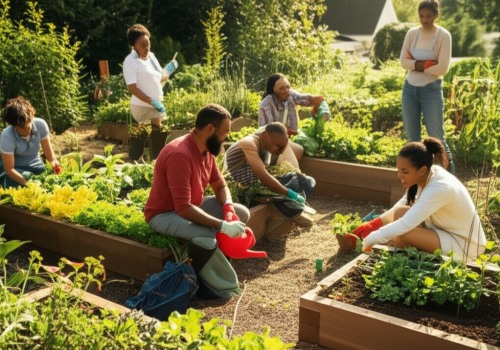
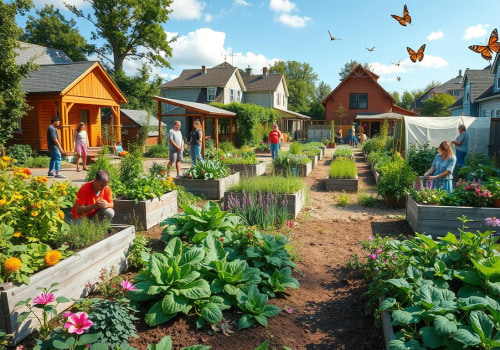
Community gardening is more than just a trend; it is a powerful movement that fosters connection, sustainability, and health within neighborhoods. At its core, community gardening involves a group of individuals coming together to cultivate a shared piece of land, transforming it into a vibrant space for growing fruits, vegetables, and flowers. This collaborative effort not only beautifies the environment but also strengthens community ties, creating a sense of belonging among participants. The benefits of community gardening extend far beyond the produce harvested. Engaging in this activity promotes physical health by encouraging outdoor exercise and providing access to fresh, organic food.
Additionally, it serves as an educational platform where individuals can learn about sustainable practices, nutrition, and the importance of biodiversity. As members work side by side, they share knowledge and skills, fostering a spirit of cooperation and mutual support. Moreover, community gardens can play a crucial role in addressing food insecurity in urban areas. By transforming vacant lots into productive spaces, these gardens provide local residents with the opportunity to grow their own food, reducing reliance on grocery stores and enhancing food sovereignty. In essence, community gardening is not just about planting seeds; it is about sowing the seeds of change within communities, cultivating relationships, and nurturing the environment for future generations.
Assessing Your Community's Interest
Before embarking on the journey of establishing a community garden, it is essential to gauge the level of interest within your neighborhood.Understanding whether your community is enthusiastic about gardening can significantly influence the success of your project.
Conducting Surveys
- One effective method to assess community interest is by conducting surveys. You can create a simple questionnaire that asks residents about their gardening experience, interest in participating, and preferred types of plants.
- Distributing these surveys through local schools, community centers, or online platforms can help you reach a broader audience.
- Consider including open-ended questions to gather qualitative feedback that can provide deeper insights into community preferences.
Hosting Community Meetings
- Another valuable approach is to organize community meetings. These gatherings allow residents to discuss their thoughts and ideas about starting a community garden.
- During these meetings, you can present the benefits of community gardening, such as promoting sustainability, enhancing neighborhood aesthetics, and fostering social connections.
- Encourage attendees to share their gardening experiences and suggestions, which can help build enthusiasm and commitment.
Utilizing Social Media
- Leverage social media platforms to create buzz around the idea of a community garden. You can set up a dedicated page or group where residents can express their interest and share ideas.
- Post engaging content related to gardening tips, local flora, and success stories from other community gardens to inspire participation.
This foundational step will not only help you understand the level of enthusiasm but also foster a sense of ownership among potential participants, setting the stage for a thriving garden project.
Finding a Suitable Location
Choosing the right location for your community garden is crucial to its success. Several factors should be considered to ensure that the garden thrives and serves the community effectively.Sunlight Exposure
One of the most important aspects to consider is sunlight. Most vegetables and flowers require at least 6-8 hours of direct sunlight each day. When scouting for a location, observe how sunlight moves across the area throughout the day.Avoid spots that are heavily shaded by trees or buildings, as this can hinder plant growth.
Accessibility
The garden should be easily accessible to all community members. Consider locations that are close to public transportation, have ample parking, and are within walking distance for residents. Additionally, ensure that the site is accessible for individuals with disabilities, providing pathways and raised beds if necessary.Soil Quality
The quality of the soil is another critical factor. Conduct a soil test to check for contaminants and nutrient levels.Ideally, you want loamy soil that drains well but retains moisture. If the soil is poor, consider options like raised beds or soil amendments to improve its quality.
Water Supply
A reliable water supply is essential for any garden. Look for locations near a water source, such as a hose bib or a natural body of water. If these are not available, consider how you will transport water to the site.Community Engagement
Finally, think about how the location can foster community engagement.A site that is visible and frequented by community members can encourage participation and collaboration. Consider areas near schools, parks, or community centers where people naturally gather.By carefully evaluating these factors—sunlight exposure, accessibility, soil quality, water supply, and community engagement—you can select a suitable location that will enhance the sustainability and productivity of your community gardening efforts.
Gathering Resources and Funding
Starting a community garden requires careful planning and resource allocation. To ensure the success of your garden, it’s essential to gather the right resources and secure adequate funding. Here are some key components to consider:Essential Resources for Community Gardening
- Tools: Basic gardening tools such as shovels, rakes, hoes, and watering cans are crucial.
Consider organizing tool-sharing among members to reduce costs.
- Seeds and Plants: Source seeds from local nurseries or community seed banks. Many organizations offer free or low-cost seeds to community gardens.
- Soil and Compost: Quality soil is vital for plant health. Look for local sources of compost or consider creating a composting system within the garden.
- Water Supply: Ensure access to water through hoses, rain barrels, or nearby water sources. A sustainable irrigation system can help maintain the garden efficiently.
Funding Options for Community Gardens
Securing funding is often one of the biggest challenges in starting a community garden.Here are some effective strategies:
- Grants: Research local, state, and federal grants specifically aimed at community gardening initiatives. Organizations like the American Community Gardening Association provide resources on available grants.
- Donations: Reach out to local businesses and community members for donations of money, materials, or services. A well-crafted proposal can help convey the benefits of supporting your garden.
- Fundraising Events: Organize events such as bake sales, plant sales, or workshops to raise funds while engaging the community.
- Crowdfunding: Utilize online platforms like GoFundMe or Kickstarter to reach a broader audience and gather financial support from those who believe in your cause.
Organizing a Community Team
Starting a community garden requires more than just land and seeds; it necessitates a dedicated team of volunteers who share a common vision.Building a strong community team
is essential for the successful management and sustainability of the garden.Here are some steps to help you organize your team effectively:
- Identify Potential Team Members: Reach out to local residents, schools, and community organizations to find individuals who are interested in gardening or community service. Use social media, flyers, and community boards to spread the word.
- Host an Initial Meeting: Organize a gathering where interested individuals can come together to discuss the idea of a community garden. This meeting should focus on sharing ideas, discussing goals, and gauging interest.
- Define Roles and Responsibilities: Assign specific roles within the team to ensure that all tasks are covered. Common roles include:
- Garden Coordinator: Oversees the overall management of the garden, including planning and organization.
- Treasurer: Manages finances, including budgeting for supplies and fundraising efforts.
- Volunteer Coordinator: Recruits and organizes volunteers for various tasks such as planting, weeding, and maintenance.
- Communications Officer: Handles outreach, social media updates, and community engagement.
- Create a Communication Plan: Establish regular meetings and communication channels (like email or messaging apps) to keep everyone informed about progress, upcoming tasks, and events.
- Encourage Inclusivity: Make sure that all voices are heard within the team.
Encourage input from all members to foster a sense of ownership and commitment to the garden.
Planning Your Garden Layout
When it comes to community gardening, a well-thought-out garden layout is essential for maximizing both space and productivity. The first step in planning your garden layout is to assess the available area. Consider factors such as sunlight, soil quality, and water access.These elements will influence your plant selection and overall design.
Plant selection
is crucial. Choose plants that are suitable for your climate and soil type. Additionally, consider the growth habits of the plants you want to include. For instance, tall plants like sunflowers should be placed at the back of the garden beds to avoid shading shorter plants like lettuce or radishes.Designing Your Layout
There are several popular layouts you can consider:- Raised Beds: These are ideal for maximizing space and improving drainage.
They can be arranged in rows or clusters, depending on your available area.
- Row Gardening: Traditional rows work well for larger plots and allow for easy access to each plant.
- Square Foot Gardening: This method divides the garden into square sections, making it easier to manage and plant a variety of crops in a small space.
By thoughtfully planning your community garden layout, you can create a productive and enjoyable space that benefits all members of your community.
Planting and Maintenance Strategies
Successfully establishing a community garden requires careful attention to planting and ongoing maintenance. Here are some effective strategies to ensure your garden thrives throughout the growing season.Planting in Community Gardens
When it comes to planting, timing is crucial. Begin by selecting the right plants for your local climate and soil conditions. Consider starting with easy-to-grow vegetables such as tomatoes, peppers, and lettuce, which are ideal for beginners.Here are some tips:
- Soil Preparation: Test the soil pH and nutrient levels. Amend the soil with organic matter like compost to improve fertility.
- Planting Techniques: Follow recommended spacing guidelines for each plant to ensure adequate air circulation and sunlight exposure.
- Companion Planting: Utilize companion planting techniques to enhance growth and deter pests. For example, planting marigolds alongside vegetables can help repel harmful insects.
Maintenance of Community Gardens
Once your plants are in the ground, regular maintenance is essential. Here are key practices to keep your garden healthy:- Watering: Establish a consistent watering schedule, ideally early in the morning or late in the afternoon to minimize evaporation.
Aim for deep watering to encourage strong root development.
- Pest Management: Monitor plants regularly for signs of pests or disease. Use organic pest control methods, such as neem oil or insecticidal soap, to manage infestations without harming beneficial insects.
- Weeding: Regularly remove weeds that compete for nutrients and water. Mulching around plants can help suppress weed growth while retaining soil moisture.
Engaging the Community and Promoting Your Garden
Engaging the local community is crucial for the success of your community garden.By fostering a sense of ownership and involvement, you can create a vibrant space that reflects the needs and desires of those who live nearby. Here are some effective strategies to promote your garden and encourage participation:
- Host Community Events: Organize regular events such as planting days, harvest festivals, or potluck dinners. These gatherings not only bring people together but also provide an opportunity for community members to learn about gardening and share their experiences.
- Workshops and Classes: Offer workshops on various gardening topics, such as composting, pest management, or organic gardening techniques. Tailoring these sessions to different skill levels can attract a wider audience and empower individuals to get involved.
- Utilize Social Media: Create social media pages dedicated to your community garden.
Share updates, photos, and upcoming events to keep the community informed and engaged. Encourage followers to share their own gardening tips and successes.
- Collaborate with Local Organizations: Partner with schools, local businesses, or non-profits to expand your reach. These collaborations can provide additional resources, volunteers, and promotional support.
- Create a Newsletter: Develop a monthly newsletter that highlights garden activities, upcoming events, and gardening tips. This can be distributed via email or in print at local community centers.
The more people feel connected to the garden, the more likely they are to participate actively and support its growth. Remember that building a strong community around your garden takes time and effort, but the rewards of shared knowledge and camaraderie are well worth it.
Sustaining Your Community Garden Long-Term
Ensuring the long-term sustainability of your community garden requires a multifaceted approach that addresses funding, volunteer engagement, and adaptability to changing community needs.Ongoing Funding Strategies
Securing consistent funding is crucial for the longevity of your garden. Consider the following strategies:- Grants: Research local, state, and federal grants specifically aimed at community gardening initiatives. Many organizations offer financial support for urban agriculture projects.
- Fundraising Events: Organize events such as bake sales, plant sales, or community dinners to raise funds.
These events not only generate revenue but also strengthen community ties.
- Membership Fees: Implement a small membership fee for regular participants. This can help cover operational costs while fostering a sense of ownership among members.
Volunteer Recruitment and Retention
A thriving community garden relies heavily on dedicated volunteers. To attract and retain volunteers:- Create a Welcoming Environment: Ensure that new volunteers feel included and valued. Host orientation sessions to familiarize them with the garden's goals and operations.
- Offer Training Opportunities: Provide workshops on gardening techniques, sustainability practices, and leadership skills.
This not only enhances their gardening knowledge but also empowers them to take on more responsibilities.
- Recognize Contributions: Regularly acknowledge the hard work of volunteers through appreciation events or shout-outs in newsletters. Recognition fosters loyalty and encourages continued participation.
Adapting to Changing Needs
The needs of your community may evolve over time, and your garden should be flexible enough to adapt. Consider these approaches:- Regular Feedback: Conduct surveys or hold meetings to gather input from community members about what they want from the garden. This feedback can guide future projects and improvements.
- Diverse Planting: Introduce a variety of plants that cater to different tastes and dietary needs, ensuring that the garden remains relevant to all community members.
- Collaborate with Local Organizations: Partner with schools, health organizations, or local businesses to expand your reach and resources.
These collaborations can bring new ideas and support to your garden.
FAQs About Starting a Community Garden
Starting a community garden can be an exciting yet daunting task. Here are some frequently asked questions that can help guide you through the process:1.What is a community garden?
A community garden is a shared space where individuals come together to grow plants, vegetables, and flowers. These gardens not only provide fresh produce but also foster community spirit and collaboration.2.How do I find a suitable location for a community garden?
Look for vacant lots, parks, or underutilized spaces in your neighborhood. It's essential to consider factors such as sunlight, water access, and soil quality.Additionally, check with local authorities to ensure the land can be used for gardening.
3.What are the initial steps to start a community garden?
- Gather a group of interested individuals: Form a committee of passionate gardeners who share your vision.
- Conduct a needs assessment: Determine what types of plants the community wants to grow and any specific requirements.
- Develop a plan: Create a layout for the garden, including plots, pathways, and communal areas.
- Secure funding: Look for grants, donations, or fundraising opportunities to support your project.
- Obtain necessary permissions: Contact local government or landowners to get approval for using the land.