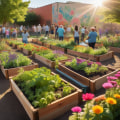
Community gardening is a collaborative effort where individuals come together to cultivate a shared piece of land, transforming it into a vibrant space for growing fruits, vegetables, and flowers. This practice not only fosters a sense of community but also promotes sustainable living and environmental stewardship. By participating in community gardening, individuals can engage in hands-on activities that connect them to nature, their neighbors, and the food they consume. The benefits of community gardening extend far beyond the physical act of planting and harvesting. These gardens serve as vital green spaces in urban areas, providing fresh produce to communities that may otherwise lack access to healthy food options.
Additionally, they create opportunities for social interaction, education, and skill development, making them essential hubs for community engagement. At its core, community gardening is about more than just growing plants; it embodies the spirit of collaboration and shared purpose. As people work side by side, they build relationships and foster a sense of belonging that can be particularly beneficial in today’s fast-paced world. This introduction to community gardening sets the stage for exploring its therapeutic benefits, highlighting how these gardens can serve as sanctuaries for mental well-being and personal growth.
The Therapeutic Benefits of Community Gardening
Community gardening serves as a powerful tool for enhancing mental health and promoting overall emotional well-being. Engaging in gardening activities within a community setting fosters a sense of belonging and connection, which can significantly alleviate feelings of isolation and loneliness.Stress Relief
- Working with soil and plants has been shown to reduce levels of the stress hormone cortisol.
The act of nurturing plants can provide a calming effect, allowing individuals to escape from daily pressures.
- The rhythmic nature of gardening tasks, such as planting, weeding, and watering, can serve as a form of meditation, helping to clear the mind and promote relaxation.
Mental Health Improvements
- Studies have indicated that individuals who participate in community gardening report lower levels of anxiety and depression. The physical activity involved in gardening releases endorphins, which are natural mood lifters.
- Gardening also encourages mindfulness, as individuals focus on the present moment while tending to their plants. This practice can help combat negative thought patterns often associated with mental health issues.
Community Gardening Therapy
- Community gardens often serve as therapeutic spaces where individuals can share their experiences and support one another. This social interaction is crucial for building resilience and coping strategies.
- Participating in group gardening activities fosters teamwork and collaboration, enhancing social skills and creating lasting friendships that contribute to emotional stability.
By promoting mental health improvements, providing stress relief, and fostering community connections, these gardens become vital resources for enhancing emotional well-being.
How Community Gardens Promote Mental Health
Community gardening serves as a powerful tool for enhancing mental health, offering numerous benefits that can significantly reduce symptoms of anxiety and depression. Engaging in gardening activities fosters a sense of purpose and accomplishment, which is crucial for individuals struggling with mental health issues.Social Interaction
is one of the key elements that community gardens provide. By bringing together individuals from diverse backgrounds, these gardens create a supportive environment where people can share experiences, cultivate friendships, and build a sense of belonging. This social aspect is particularly beneficial for those who may feel isolated or disconnected from their communities.Moreover, the act of gardening itself can be therapeutic.The physical activity involved in planting, weeding, and harvesting not only promotes physical health but also releases endorphins, which are natural mood lifters. Studies have shown that engaging in regular physical activity can significantly alleviate symptoms of anxiety and depression.
- Mindfulness and Connection to Nature: Gardening encourages mindfulness, allowing individuals to focus on the present moment. This connection to nature has been shown to reduce stress levels and improve overall well-being.
- Routine and Structure: Community gardens provide a structured environment where individuals can establish routines. This predictability can be comforting for those dealing with anxiety.
- Skill Development: Learning new gardening techniques or improving existing skills can boost self-esteem and confidence, further contributing to improved mental health.
By promoting social interaction, encouraging physical activity, and fostering a connection to nature, community gardens serve as an effective form of therapy for many individuals seeking to improve their mental health.
Physical Health Benefits of Community Gardening
Engaging in community gardening offers numerous physical health benefits that contribute to overall wellness. One of the most significant advantages is the opportunity for regular exercise. Gardening activities such as digging, planting, weeding, and harvesting can provide a full-body workout. According to studies, spending just a few hours a week in the garden can burn calories comparable to a gym session.Exercise in Community Gardens
- Cardiovascular Health: The physical exertion involved in gardening helps improve heart health by increasing cardiovascular endurance.
- Strength Building: Lifting soil bags, using tools, and performing repetitive motions enhance muscle strength and flexibility.
- Balance and Coordination: Navigating garden plots and performing various tasks can improve balance and coordination, reducing the risk of falls.
Consuming fruits and vegetables grown in these gardens can lead to better nutrition and improved dietary habits. Research indicates that individuals who grow their own food are more likely to incorporate these healthy options into their meals.
Gardening and Fitness
- Mental Stimulation: The act of planning and maintaining a garden stimulates the mind, promoting cognitive function.
- Social Interaction: Working alongside others fosters social connections, which can lead to increased motivation and accountability in maintaining an active lifestyle.
- Stress Reduction: Physical activity combined with nature exposure has been shown to lower stress levels, contributing to better mental health.
Community Gardens as Social Support Systems
Community gardening serves as a powerful social support system, fostering connections among individuals from diverse backgrounds. These gardens create a shared space where participants can engage in meaningful interactions, which is essential for emotional healing and personal growth.One of the primary social benefits of community gardening is the opportunity for individuals to build relationships.As gardeners work side by side, they share not only gardening tips but also personal stories and experiences. This exchange cultivates a sense of belonging and reduces feelings of isolation, particularly for those who may be struggling with mental health issues or life transitions.
- Encouragement and Motivation: Participants often motivate each other, celebrating successes and providing support during challenges. This encouragement can be particularly beneficial for individuals facing personal hardships.
- Skill Sharing: Community gardens often host workshops where members can learn new skills, from planting techniques to cooking classes. This sharing of knowledge fosters collaboration and strengthens community ties.
- Social Events: Many community gardens organize events such as potlucks or harvest festivals, which further enhance social connections.
These gatherings allow participants to bond over their shared love for gardening and create lasting friendships.
By nurturing relationships and providing a platform for shared experiences, these gardens play a crucial role in enhancing emotional well-being and creating a supportive network for all involved.
Case Studies: Successful Community Gardening Initiatives
Community gardening has emerged as a powerful tool for promoting mental and physical well-being. Numerous case studies illustrate the therapeutic benefits of these green spaces, showcasing how they foster community engagement and personal growth.1.The Garden of Hope in New York City
This initiative was designed specifically for individuals recovering from addiction. Participants engage in community gardening activities that not only provide a sense of purpose but also promote social interaction. The garden serves as a safe haven where individuals can connect with nature and each other, leading to improved mental health outcomes.
2.The Edible Schoolyard Project in Berkeley, California
This program integrates gardening into the school curriculum, allowing students to cultivate their own food.
Research indicates that children involved in this project exhibit reduced anxiety and increased self-esteem. By learning about sustainability and nutrition, they develop a sense of responsibility and accomplishment.
3.The Healing Garden at the University of Minnesota
This garden was created for patients and families at a nearby hospital. It features sensory plants, walking paths, and quiet seating areas designed to promote relaxation and healing. Studies show that patients who spend time in this therapeutic garden report lower stress levels and enhanced emotional well-being.
4.The Community Garden at the Veterans Affairs Hospital in Los Angeles
This initiative focuses on veterans dealing with PTSD.
Gardening activities provide a therapeutic outlet for expressing emotions and building camaraderie among participants. Feedback from veterans indicates that spending time in the garden significantly alleviates symptoms of anxiety and depression.These examples highlight the diverse applications of community gardening as a therapeutic tool. By fostering connections with nature and each other, these gardens not only enhance individual well-being but also strengthen community bonds.
Getting Involved: How to Start or Join a Community Garden
Getting involved in community gardening can be a rewarding experience, whether you want to start your own garden or join an existing one. Here are some practical steps to help you get started.Starting Your Own Community Garden
If you're interested in starting a community garden, follow these steps:- Identify a Suitable Location: Look for vacant lots, parks, or other public spaces that can be transformed into a garden.
Ensure the site has access to sunlight and water.
- Gather Support: Reach out to neighbors, local organizations, and gardening enthusiasts to gauge interest. Form a group of committed individuals who share your vision.
- Create a Plan: Develop a plan that outlines the garden's purpose, layout, and types of plants. Consider including native plants and vegetables that are easy to grow.
- Secure Permissions: Contact local authorities to obtain necessary permits and permissions for using the land.
- Organize Resources: Collect tools, seeds, and soil through donations or local gardening stores. Establish a budget for ongoing expenses.
- Launch the Garden: Host a kickoff event to bring the community together.
This can include planting days, workshops, and social gatherings.
Joining an Existing Community Garden
If starting a garden feels overwhelming, consider joining an existing one. Here’s how:- Research Local Gardens: Use online resources or community boards to find nearby gardens. Websites like communitygarden.org can be helpful.
- Visit the Garden: Attend open days or volunteer events to get a feel for the community and its members.
- Inquire About Membership: Ask about membership requirements, fees, and responsibilities. Some gardens may require you to contribute time or resources.
- Participate Actively: Once you join, engage with fellow gardeners by attending meetings, sharing knowledge, and participating in events.
Whether you start your own garden or join an existing one, the benefits of being part of this green initiative are immense.
FAQs About Community Gardening and Therapy
Community gardening is not only a way to grow fresh produce but also serves as a powerful tool for therapeutic purposes. Here are some frequently asked questions that can help clarify its benefits and address common misconceptions.What are the therapeutic benefits of community gardening?
Engaging in community gardening can lead to numerous therapeutic benefits, including:- Stress Reduction: Spending time in nature and tending to plants can significantly lower stress levels.
- Improved Mental Health: Gardening has been linked to reduced symptoms of anxiety and depression.
- Social Interaction: Community gardens foster social connections, which can combat feelings of loneliness.
- Physical Activity: Gardening involves physical labor, promoting overall health and well-being.
How does community gardening promote social connections?
Community gardens bring together individuals from diverse backgrounds, creating a sense of belonging. Participants often share knowledge, resources, and experiences, which can lead to lasting friendships. This social aspect is crucial for mental health, as it provides support and encourages collaboration.Can anyone join a community garden?
Yes! Most community gardens are open to individuals of all ages and skill levels.They often welcome volunteers who may not have gardening experience but are eager to learn. Joining a community garden can be an excellent way to connect with others while enhancing your gardening skills.
What should I expect when joining a community garden?
When you join a community garden, you can expect:- Workshops and Events: Many gardens offer educational workshops on various gardening techniques.
- A Shared Space: You will have access to shared tools and resources, making gardening more accessible.
- A Supportive Community: Fellow gardeners will provide encouragement and assistance as needed.
Conclusion: The Lasting Impact of Community Gardens on Well-Being
In conclusion, community gardening serves as a powerful tool for enhancing both mental and physical well-being. Throughout this article, we have explored various aspects of how these gardens foster a sense of belonging, promote social interaction, and provide therapeutic benefits. One of the most significant impacts of community gardens is their ability to create a supportive environment where individuals can connect with others. This social aspect is crucial, as it helps combat feelings of isolation and loneliness, which are prevalent in today’s fast-paced world.By participating in community gardening, individuals not only cultivate plants but also nurture relationships that can lead to lasting friendships. Moreover, the act of gardening itself has been shown to reduce stress and anxiety levels. Engaging with nature allows individuals to escape from daily pressures and immerse themselves in a calming environment. The physical activity involved in gardening also contributes to improved health outcomes, including increased physical fitness and better nutrition through access to fresh produce. Furthermore, community gardens often serve as educational platforms, teaching participants about sustainable practices and healthy eating. This knowledge empowers individuals to make informed choices about their health and well-being. Ultimately, the lasting impact of community gardening extends beyond the garden beds.
It cultivates a sense of purpose and accomplishment among participants, fostering resilience and emotional strength. As communities continue to embrace this practice, the benefits will ripple outward, enhancing the quality of life for many. In summary, community gardens are more than just spaces for growing food; they are vital resources for promoting mental health, building community ties, and encouraging a healthier lifestyle. Their role in enhancing well-being cannot be overstated, making them an essential component of community development efforts.