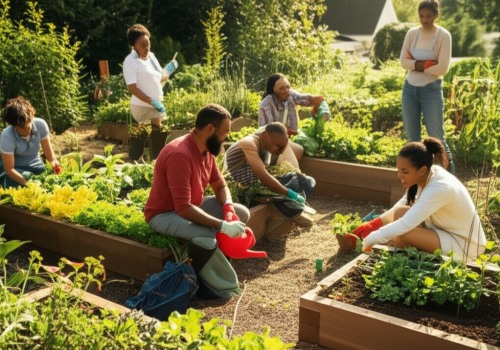
Community gardening is a vibrant and collaborative approach to cultivating plants and fostering relationships within neighborhoods. It involves individuals coming together to create shared green spaces where they can grow fruits, vegetables, and flowers, while also nurturing a sense of community. This practice not only enhances the local environment but also promotes social interaction, education, and sustainability. As urban areas continue to expand, the significance of community gardening has grown, transforming vacant lots and underutilized spaces into flourishing gardens that benefit everyone involved. The benefits of community gardening extend far beyond the physical act of planting seeds.
These gardens serve as a platform for community engagement, allowing residents to connect with one another and share knowledge about gardening techniques, nutrition, and environmental stewardship. Additionally, they provide access to fresh produce in areas where food deserts may exist, improving overall health and well-being. The act of gardening itself can be therapeutic, offering a peaceful retreat from the hustle and bustle of daily life. As we delve deeper into the world of community gardening, it’s essential to explore specific examples that highlight its impact. From urban farms in bustling cities to neighborhood plots in suburban areas, these gardens showcase the creativity and resilience of communities coming together for a common purpose.
Each garden tells a unique story of collaboration, innovation, and growth—both literally and figuratively—making them vital components of modern urban life.
The Benefits of Community Gardening
Community gardening offers a multitude of benefits that extend beyond just growing food. These gardens serve as vital spaces for fostering community connections, enhancing environmental sustainability, and promoting health and well-being.Social Benefits
One of the most significant advantages of community gardening is its ability to bring people together. By participating in a shared gardening space, individuals from diverse backgrounds can collaborate, share knowledge, and build friendships. This sense of community can lead to:- Improved social cohesion: Neighbors become acquainted, fostering a sense of belonging.
- Increased civic engagement: Community members often become more involved in local issues and initiatives.
- Skill sharing: Gardeners can exchange gardening tips, recipes, and cultural practices.
Environmental Advantages
Community gardens also play a crucial role in enhancing the environment.They contribute to urban greening efforts and promote biodiversity. Key environmental benefits include:
- Reduction of urban heat: Green spaces help lower temperatures in densely populated areas.
- Improved air quality: Plants absorb carbon dioxide and release oxygen, contributing to cleaner air.
- Habitat for wildlife: Gardens provide essential habitats for pollinators and other beneficial species.
Health Benefits
The health advantages of community gardening are profound. Engaging in gardening activities can lead to:- Physical activity: Gardening is a form of exercise that can improve physical fitness.
- Mental well-being: Spending time in nature has been shown to reduce stress and anxiety.
- Nutritional benefits: Access to fresh produce encourages healthier eating habits.
Successful Community Garden Examples
Community gardens have become a vital part of urban landscapes, fostering community spirit and promoting sustainability.Here are some notable examples of successful community gardens across the United States:
1.
Brooklyn Grange
- New York City, NY
Located on rooftops in Brooklyn and Queens, Brooklyn Grange is one of the largest urban soil farms in the U.S. This innovative garden not only produces over 50,000 pounds of organic produce annually but also offers educational programs and workshops that engage the local community in sustainable practices.2.
Garden of Hope
- San Francisco, CA
The Garden of Hope is a community garden that serves as a sanctuary for individuals recovering from addiction and mental health issues. This garden emphasizes healing through nature, providing a space for personal growth and community support. Its achievements include numerous partnerships with local organizations to promote wellness and resilience.3.
South Central Farm
- Los Angeles, CA
The South Central Farm, once the largest urban farm in the U.S., was a symbol of community activism and food justice. Although it faced challenges, its legacy continues to inspire new community gardening initiatives focused on food sovereignty and environmental justice.
4.
Detroit Black Community Food Security Network
- Detroit, MI
This network operates several community gardens that aim to empower residents through food education and access to fresh produce. Their efforts have led to increased food security in a city known for its food deserts, showcasing how community gardening can address systemic issues.5.
The Edible Schoolyard Project
- Berkeley, CA
The Edible Schoolyard Project, founded by chef Alice Waters, integrates gardening into school curricula, teaching children about nutrition and sustainability. This initiative has transformed schoolyards into productive gardens, fostering a love for healthy eating among students.These examples illustrate the diverse ways in which community gardening can impact neighborhoods positively, from enhancing food security to promoting social cohesion and environmental stewardship.Case Study: The Incredible Edible Project in Todmorden, UK
The Incredible Edible Project, launched in the small town of Todmorden, UK, serves as a remarkable example of how community gardening can transform not just a neighborhood, but an entire community. Established in 2008, this initiative encourages residents to plant and maintain edible gardens throughout the town, making fresh produce accessible to everyone.One of the most striking features of the Incredible Edible Project is its emphasis on community involvement.Local residents, schools, and businesses collaborate to create vibrant gardens in public spaces, parks, and even along roadsides. This collective effort fosters a sense of ownership and pride among participants, while also promoting sustainability and environmental awareness.
Impact on the Community
The impact of the Incredible Edible Project extends beyond just providing food. It has successfully:- Strengthened community bonds: Neighbors come together to plant, tend, and harvest crops, creating lasting friendships.
- Educated residents: Workshops and events teach gardening skills and healthy eating habits.
- Boosted local economy: The project has inspired local businesses to support sustainable practices and source ingredients from community gardens.
As more communities look to implement similar initiatives, Todmorden stands as a beacon of what can be achieved through collaboration and shared purpose.
Community Gardens in Urban Areas
Urban areas often face challenges such as limited green space, food deserts, and community disconnection.Community gardening
has emerged as a powerful solution to these issues, transforming vacant lots and underutilized spaces into vibrant gardens that foster both environmental sustainability and social cohesion.One notable example is the Brooklyn Grange in New York City, which operates the world’s largest rooftop soil farm. This innovative urban agriculture project not only provides fresh produce to local restaurants and markets but also serves as an educational hub for sustainable farming practices. By utilizing rooftops, Brooklyn Grange maximizes space in a densely populated area while promoting community engagement through workshops and volunteer opportunities.Another inspiring case is the Detroit Black Community Food Security Network , which has established several community gardens throughout Detroit.These gardens are designed to empower local residents by providing access to healthy food options and fostering a sense of ownership over their food sources. The initiative has successfully engaged diverse community members, creating a network of support that extends beyond gardening.In San Francisco, the Garden for the Environment exemplifies how urban gardening can educate and inspire. This community garden focuses on teaching sustainable gardening techniques while also addressing issues like climate change and biodiversity. Through hands-on workshops, residents learn how to grow their own food, which not only enhances food security but also strengthens community ties.These examples illustrate that urban community gardens are more than just green spaces; they are vital components of urban resilience.
They provide fresh produce, promote environmental stewardship, and create opportunities for social interaction among diverse populations. As cities continue to grow, the importance of these gardens in fostering community engagement and addressing urban challenges cannot be overstated.
Challenges Faced by Community Gardens
Community gardening can be a rewarding endeavor, but it is not without its challenges. Understanding these obstacles is crucial for both current and prospective gardeners. Here are some common issues faced by community gardens:- Land Access: Securing land for community gardens can be a significant hurdle.
Many urban areas have limited available space, and negotiating with landowners or local governments can be time-consuming.
- Funding: Community gardens often rely on donations, grants, or fundraising efforts to cover costs such as seeds, tools, and maintenance. Without adequate funding, sustaining the garden can become difficult.
- Soil Quality: Poor soil conditions can hinder plant growth. Many community gardens face challenges related to soil contamination or nutrient deficiencies, requiring additional resources for soil testing and amendment.
- Community Engagement: Maintaining active participation from community members is essential for the success of a garden. Fluctuations in interest can lead to underutilization of the space and resources.
- Pest Management: Gardens are susceptible to pests and diseases that can threaten crops.
Implementing organic pest control methods while ensuring the health of the ecosystem can be a balancing act.
- Building Partnerships: Collaborating with local organizations, schools, and businesses can provide additional resources and support.
- Education and Training: Offering workshops on gardening techniques, pest management, and sustainable practices helps empower community members and fosters a sense of ownership.
- Regular Meetings: Holding regular meetings encourages communication among gardeners, allowing them to share experiences and solutions to common problems.
How to Start Your Own Community Garden
Starting your own community garden can be a rewarding endeavor that fosters community spirit and promotes sustainable practices. Here are some actionable steps to help you create a thriving garden in your neighborhood.1.Gather Community Support
The first step in starting a community garden is to engage with your neighbors. Organize a meeting to discuss the idea and gauge interest. This will not only help you find potential volunteers but also ensure that the garden reflects the needs and desires of the community.2.Choose a Suitable Location
Selecting the right location is crucial for the success of your garden.Look for:
- Accessibility: Ensure the site is easily reachable for all community members.
- Sunlight: Choose a spot that receives at least 6-8 hours of sunlight daily.
- Water Supply: Proximity to a water source is essential for maintaining plant health.
3.Plan Your Garden Layout
Once you have a location, it’s time to design your garden. Consider:- Garden Size: Determine how much space you have and how many plots you can create.
- Types of Plants: Discuss with community members what vegetables, herbs, or flowers they would like to grow.
- Accessibility Features: Ensure pathways are wide enough for wheelchairs or strollers if needed.
4.Establish Rules and Responsibilities
Create a set of guidelines that outline how the garden will be maintained, who is responsible for what tasks, and how disputes will be resolved. This can include:- Plot Assignments: Decide how plots will be assigned and maintained.
- Maintenance Schedule: Set up regular days for group maintenance activities.
- Harvest Sharing: Discuss how produce will be shared among members.
5.Secure Funding and Resources
You may need funds for tools, seeds, soil, and other materials. Consider:- Sponsorships: Reach out to local businesses for donations or sponsorships.
- Grants: Look for grants specifically aimed at community gardening initiatives.
- Fundraising Events: Organize events to raise money and awareness about your garden.
FAQs About Community Gardening
Community gardening is a collaborative effort where individuals come together to cultivate a shared piece of land.This practice not only promotes sustainable agriculture but also fosters community spirit. Here are some frequently asked questions about community gardening:
What is community gardening?
Community gardening refers to the collective cultivation of a garden space by a group of people. These gardens can vary in size and purpose, ranging from vegetable plots to flower gardens, and often serve as a means for local residents to grow their own food, beautify their neighborhoods, and strengthen community ties.How does community gardening work?
Typically, community gardens are organized by local groups or organizations that manage the land and resources. Participants may pay a small fee for a plot or contribute their time and labor in exchange for access to the garden.The process usually involves:
- Identifying a suitable piece of land.
- Gathering interested community members.
- Establishing rules and responsibilities.
- Planning what to grow based on the season and local preferences.
What are the benefits of community gardening?
The benefits of community gardening extend beyond just growing food. Some key advantages include:- Improved access to fresh produce: Community gardens provide fresh fruits and vegetables, which can be especially beneficial in urban areas with limited access to grocery stores.
- Social connections: These gardens create opportunities for neighbors to meet, share knowledge, and build friendships.
- Environmental impact: Community gardens promote biodiversity, reduce urban heat, and improve air quality.
Can anyone join a community garden?
Most community gardens welcome individuals from all backgrounds. However, some may have specific requirements or membership fees. It’s best to check with the local garden coordinator for details on how to get involved. If you have more questions about community gardening, consider reaching out to local gardening clubs or visiting nearby gardens to learn more about their operations and experiences.Conclusion: The Future of Community Gardening
As we reflect on the transformative power of community gardening, it becomes clear that this movement is not just about growing food; it is about cultivating relationships, fostering sustainability, and enhancing urban environments.Throughout this article, we have explored various successful examples of community gardens that have made significant impacts in their neighborhoods, demonstrating the potential of collective action.Looking ahead, the future of community gardening appears promising. With increasing awareness of food security issues and the importance of local produce, more communities are likely to embrace this initiative. The rise of urbanization has created a pressing need for green spaces, and community gardens can serve as vital oases in concrete jungles.
- Community Engagement: As more individuals recognize the benefits of participating in community gardens, we can expect a surge in volunteerism and local involvement. This engagement not only strengthens community ties but also empowers residents to take ownership of their food sources.
- Sustainability Practices: The integration of sustainable practices within community gardens will likely expand.
Techniques such as permaculture, organic gardening, and water conservation methods will become more prevalent, promoting environmental stewardship.
- Educational Opportunities: Community gardens will increasingly serve as educational hubs where individuals can learn about nutrition, gardening techniques, and environmental science. Schools and local organizations may partner to create programs that teach children and adults alike about the importance of sustainable food systems.