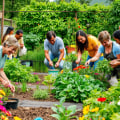
Community gardening is more than just a trend; it is a powerful movement that brings people together to cultivate not only plants but also relationships and a sense of belonging. At its core, community gardening involves individuals or groups coming together to manage a shared piece of land, where they can grow fruits, vegetables, and flowers. This collaborative effort fosters a spirit of cooperation and encourages participants to engage with one another, creating a vibrant community atmosphere. The benefits of community gardening extend far beyond the physical act of planting seeds. These gardens serve as green spaces that enhance urban environments, improve air quality, and promote biodiversity.
They also provide fresh produce to neighborhoods that may lack access to healthy food options, addressing food insecurity while encouraging healthier eating habits. Additionally, community gardens can be educational hubs where individuals of all ages learn about sustainable practices, nutrition, and the importance of environmental stewardship. Moreover, the act of gardening itself has therapeutic benefits. Engaging with nature has been shown to reduce stress and improve mental well-being. As participants work together in the garden, they build friendships and strengthen community ties, which can lead to increased civic engagement and a greater sense of responsibility towards local issues.
In essence, community gardening is not just about growing food; it is about cultivating a sense of community and fostering resilience in the face of urban challenges.
Identifying Funding Needs for Your Community Garden
When embarking on a community gardening project, it is crucial to first identify the funding needs associated with both the initial setup and ongoing maintenance of the garden. Understanding these costs will help you create a realistic budget and seek appropriate funding sources.Here are some key areas to consider when estimating your budget for a community garden:- Site Preparation: This includes costs for soil testing, clearing the land, and any necessary landscaping. Depending on the condition of the site, expenses can vary significantly.
- Materials and Supplies: You will need to budget for seeds, plants, soil amendments, fertilizers, tools, and gardening supplies. These costs can add up quickly, especially if you plan to create raised beds or install irrigation systems.
- Infrastructure: Consider any structures you may need, such as fences, compost bins, or storage sheds.
These items not only enhance the functionality of your garden but also contribute to its overall aesthetic.
- Water Access: If your garden does not have an existing water source, you may need to invest in a water supply system. This could involve installing hoses, rain barrels, or even a drip irrigation system.
- Community Engagement Activities: Hosting workshops or events can foster community involvement but may require additional funding for materials and promotional efforts.
Grants and Government Funding Opportunities
Funding a community garden can often be achieved through various grants and government funding opportunities.These resources not only provide financial support but also help in fostering community engagement and sustainability.
Community Garden Grants
- American Community Gardening Association (ACGA): This organization offers grants specifically for community gardening projects. Their funding can be used for tools, seeds, and educational programs.
- Whole Foods Market Community Giving Program: This program provides grants to support local food systems, including community gardens. Applications are typically accepted annually, so it's essential to stay updated on deadlines.
- Local Foundations: Many local foundations offer grants for community development projects. Researching local philanthropic organizations can uncover unique funding opportunities tailored to your area.
Government Funding for Gardens
- USDA Community Food Projects Competitive Grant Program: This federal program aims to increase food security in low-income communities.
It supports projects that promote self-sufficiency, including community gardens.
- State and Local Government Grants: Many states have their own funding programs for urban agriculture and community development. Check with your state’s department of agriculture or local government for available grants.
- Community Development Block Grants (CDBG): These federal funds are allocated to local governments to support community development initiatives, including gardening projects that benefit low-income neighborhoods.
Nonprofit Grants for Gardening Projects
- The Garden Club of America: Offers grants for projects that promote gardening education and environmental stewardship. Community gardens that focus on education may find this a suitable option.
- National Gardening Association: Provides funding opportunities for youth gardening programs, which can be integrated into community garden initiatives.
- Local Nonprofits: Many nonprofits focus on food security and environmental sustainability. Partnering with these organizations can open doors to additional funding sources.
Additionally, showcasing community involvement and support can significantly enhance your application’s chances of success.
Crowdfunding as a Viable Option
In recent years, crowdfunding has emerged as a powerful tool for financing community projects, including community gardening. By utilizing online platforms, individuals and groups can reach a wider audience to gather the necessary funds to bring their gardening visions to life. Here are some effective strategies to consider when launching a crowdfunding campaign for your garden project.- Choose the Right Platform: Select a crowdfunding platform that aligns with your project goals. Websites like Kickstarter, GoFundMe, and Indiegogo cater to various types of projects.
Research each platform's fees, audience, and success rates to find the best fit.
- Create a Compelling Story: Your campaign should tell a story that resonates with potential backers. Explain the purpose of your community garden, its benefits to the neighborhood, and how it will foster community engagement. Use engaging visuals and videos to enhance your narrative.
- Set Realistic Goals: Determine how much funding you need and set a clear financial goal. Be transparent about how the funds will be used, whether for soil, seeds, tools, or educational workshops.
- Offer Attractive Rewards: Incentivize contributions by offering rewards at different funding levels.
These could range from personalized thank-you notes to exclusive access to gardening workshops or produce from the garden.
- Promote Your Campaign: Utilize social media, local community boards, and email newsletters to spread the word about your crowdfunding campaign. Engaging with local influencers or gardening enthusiasts can also help amplify your message.
- Engage Your Community: Involve community members in the campaign by encouraging them to share it within their networks. Host events or informational sessions where people can learn more about the garden and how they can contribute.
Remember, transparency and communication throughout the campaign are key to building trust and encouraging contributions.
Local Business Sponsorships and Partnerships
One of the most effective ways to fund a community garden project is through local business sponsorships and partnerships. By collaborating with businesses in your area, you can secure financial support, materials, and even volunteer labor. Here are some strategies to consider when approaching potential sponsors:- Identify Potential Sponsors: Look for local businesses that align with the values of your community garden. This could include nurseries, grocery stores, restaurants, and health food shops.
These businesses often have a vested interest in promoting sustainability and local food sources.
- Prepare a Proposal: Create a compelling proposal that outlines the benefits of sponsoring your community garden. Highlight how their support can enhance their brand visibility and demonstrate their commitment to community engagement. Include details about the garden's mission, expected outcomes, and how their contribution will be utilized.
- Offer Recognition: Businesses are more likely to sponsor your garden if they see a clear return on investment. Offer to recognize their contributions through signage at the garden, mentions in newsletters, or social media shout-outs.
This not only promotes their business but also fosters goodwill within the community.
- Engage in Mutual Benefits: Consider ways to create partnerships that benefit both parties. For example, a local restaurant could use produce from the garden in their dishes, while the garden could promote the restaurant as a supporter of local agriculture.
- Host Events: Organize events such as workshops or open days where local businesses can showcase their products or services. This not only raises funds but also strengthens community ties and encourages more businesses to get involved.
Fundraising Events and Activities
Organizing fundraising events for your community garden can be a fun and effective way to engage local residents while raising the necessary funds to support your project.Here are some creative ideas to consider:
- Garden Tours: Host guided tours of your community garden, showcasing the plants and techniques used. Charge a small fee for entry, and consider offering refreshments or garden-related merchandise for sale.
- Workshops and Classes: Offer workshops on topics such as organic gardening, composting, or cooking with fresh produce. Participants can pay a fee to attend, and you can provide materials or snacks to enhance their experience.
- Plant Sales: Organize a plant sale featuring seedlings, herbs, and flowers grown in your garden. This not only raises funds but also promotes gardening in the community.
- Community Potluck: Host a potluck dinner where attendees bring dishes made from local ingredients.
Charge a small entry fee and encourage donations to support the garden.
- Seasonal Festivals: Plan seasonal events like a harvest festival or spring planting day. Include activities such as games, live music, and local vendors to attract more visitors.
Utilizing Social Media and Online Campaigns
In today's digital age, social media and online campaigns are powerful tools for funding a community garden project.By leveraging these platforms, you can reach a wider audience, engage potential donors, and create a sense of community around your gardening initiative.
1.Create a Compelling Story
- Share the vision of your community garden, including its purpose, benefits, and the impact it will have on the local area.
- Use engaging visuals such as photos and videos to showcase the garden's potential and the community's involvement.
2.Utilize Crowdfunding Platforms
- Consider using crowdfunding websites like GoFundMe or Kickstarter to raise funds specifically for your garden project.
- Promote your campaign through social media channels to drive traffic and encourage donations.
3.Engage with Your Audience
- Regularly update your followers on social media about the progress of your fundraising efforts and the garden's development.
- Encourage community members to share their thoughts and ideas, fostering a sense of ownership and involvement.
4.Host Online Events
- Organize virtual events such as webinars or live Q&A sessions to discuss the benefits of community gardening and how people can contribute.
- Consider hosting online workshops related to gardening skills, charging a small fee that goes directly to funding the project.
5.Collaborate with Local Influencers
- Partner with local influencers or gardening enthusiasts who can help promote your project to their followers.
- This collaboration can significantly increase visibility and attract more supporters to your cause.
In-Kind Donations and Volunteer Support
Funding a community garden can often be a challenge, but leveraging in-kind donations and volunteer support can significantly reduce costs and enhance the overall success of the project. In-kind donations refer to non-monetary contributions, such as materials, tools, or services that can help establish and maintain the garden.Types of In-Kind Donations
- Materials: Local businesses may be willing to donate soil, seeds, plants, or gardening tools. Establishing relationships with local nurseries or hardware stores can yield valuable resources.
- Services: Skilled individuals in the community can offer their expertise in landscaping, irrigation installation, or even garden design. This not only saves money but also fosters a sense of community ownership.
- Space: If land is scarce, consider partnering with schools, churches, or other organizations that may have underutilized land available for gardening.
The Role of Volunteer Support
In addition to in-kind donations, volunteer support is crucial for the sustainability of a community garden.
Engaging community members not only helps with labor but also builds a network of support and shared responsibility.
- Organizing Workdays: Schedule regular workdays where volunteers can come together to plant, weed, and maintain the garden. This fosters camaraderie and encourages ongoing participation.
- Skill-Sharing Workshops: Host workshops where experienced gardeners can teach others about planting techniques, pest management, or composting. This not only educates but also empowers community members.
- Creating a Volunteer Committee: Form a committee dedicated to recruiting and managing volunteers. This ensures that there is always a group ready to assist with various tasks throughout the gardening season.
These efforts not only enhance the garden's physical landscape but also strengthen community ties and promote sustainable practices.
FAQs About Funding Community Gardens
Funding a community garden can seem daunting, but there are numerous avenues to explore. Here are some frequently asked questions that can help clarify the process:What are the best sources of funding for community gardens?
Community gardens can be funded through a variety of sources, including:- Grants: Many local and national organizations offer grants specifically for community gardening projects. Researching and applying for these grants can provide significant financial support.
- Donations: Local businesses and community members may be willing to contribute funds or materials. Hosting fundraising events can also encourage donations.
- Crowdfunding: Platforms like GoFundMe or Kickstarter allow you to reach a wider audience and gather small contributions from many supporters.
- Membership Fees: Charging a small fee for individuals or families to join the garden can help cover ongoing costs.
How do I write a grant proposal for a community garden?
A successful grant proposal should include:- A clear project description: Outline the goals, benefits, and plans for the garden.
- A budget: Provide a detailed budget that includes all anticipated expenses.
- Community involvement: Highlight how the garden will engage and benefit the local community.
Are there any tax incentives for funding community gardens?
In some areas, community gardens may qualify for tax exemptions or deductions.It's advisable to consult with a tax professional or local government to understand what incentives may be available in your region.By exploring these funding options and addressing common questions, you can better navigate the financial aspects of starting and maintaining a successful community gardening project.
Conclusion: Bringing Your Community Garden to Life Through Funding
In conclusion, funding a community gardening project is not only feasible but also essential for fostering community spirit and promoting sustainability. By exploring various funding avenues, you can bring your vision of a thriving garden to life. Throughout this article, we discussed several effective strategies to secure financial support:- Grants: Many organizations offer grants specifically for community gardening initiatives. Research local, state, and national programs that align with your project goals.
- Fundraising Events: Organizing events such as bake sales, plant sales, or community dinners can engage local residents while raising funds.
- Corporate Sponsorships: Partnering with local businesses can provide financial backing in exchange for advertising opportunities or community goodwill.
- Crowdfunding: Platforms like GoFundMe or Kickstarter allow you to reach a wider audience and gather small contributions from many supporters.
- Membership Fees: Consider establishing a membership program where community members can contribute financially in exchange for benefits like access to garden plots or workshops.
Not only will this enhance your funding efforts, but it will also create a sense of ownership and pride within the community. Now is the time to take action! Start by assessing your community's needs and resources, then choose the funding strategies that resonate most with your goals. With determination and creativity, your community garden can flourish and become a cherished space for all.