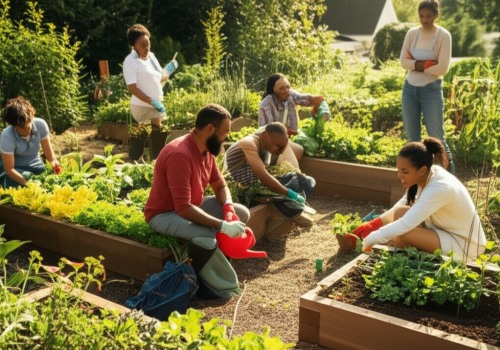
Community gardening is a collaborative effort where individuals come together to cultivate a shared piece of land, transforming it into a vibrant space for growing fruits, vegetables, and flowers. This practice not only fosters a sense of community but also promotes sustainable living and environmental stewardship. By engaging in community gardening, participants can enjoy fresh produce while building relationships with their neighbors, creating a network of support that can be invaluable during times of crisis. The benefits of community gardening extend far beyond the immediate rewards of fresh food. These gardens serve as educational platforms, teaching participants about nutrition, horticulture, and ecological practices.
They also enhance local biodiversity and contribute to urban greening efforts, which can mitigate the effects of climate change. Furthermore, community gardens can improve mental health by providing a peaceful retreat from the hustle and bustle of daily life, fostering social connections that are crucial in times of need. In essence, community gardening is more than just planting seeds; it is about cultivating resilience within communities. As we explore the role of these gardens in disaster preparedness and response, it becomes clear that they are not only vital for food security but also for building strong, interconnected communities capable of facing challenges together.
The Role of Community Gardens in Disaster Preparedness
Community gardens play a vital role in disaster preparedness by serving as a local resource for food security and community cohesion. In times of crisis, these gardens can be instrumental in ensuring that communities have access to fresh produce, which is essential when supply chains are disrupted.One of the primary benefits of community gardening in emergency situations is the ability to produce food locally.This reduces reliance on external food sources, which may become scarce during disasters. By integrating community gardens into emergency planning, local governments can enhance food resilience. Here are some key ways community gardens contribute to disaster preparedness:
- Food Security: Community gardens can provide a steady supply of fruits and vegetables, helping to alleviate hunger during emergencies.
- Education and Training: These gardens serve as platforms for teaching sustainable gardening practices, equipping community members with skills that can be vital during a disaster.
- Community Engagement: By fostering a sense of belonging and collaboration, community gardens strengthen social ties, which are crucial for effective response and recovery efforts.
- Resource Sharing: Gardens can act as hubs for sharing tools, seeds, and knowledge, enabling communities to support each other in times of need.
As communities come together to cultivate these spaces, they build networks of support that can be activated during crises. Ultimately, the integration of community gardening into disaster preparedness plans is a proactive approach that empowers individuals and strengthens communities.
Building Community Resilience Through Gardening
Community gardens serve as vital hubs for social cohesion and community resilience, particularly in times of disaster. By bringing together individuals from diverse backgrounds, these gardens foster relationships that can be crucial during emergencies. When a disaster strikes, the networks formed through community gardening can provide immediate support and resources.One of the key benefits of community gardening is the creation of support networks.These networks often consist of neighbors who have developed trust and camaraderie while working side by side in the garden. For instance, during Hurricane Sandy in 2012, many community gardens in New York City became centers for relief efforts, where residents shared food, supplies, and information. This collaborative spirit not only helped individuals recover but also strengthened the community as a whole.Moreover, community gardens can enhance food security, which is essential during disasters when access to grocery stores may be limited. By cultivating their own food, communities can ensure that they have a reliable source of nutrition even in challenging times.
This self-sufficiency is a cornerstone of resilience.Additionally, community gardens often host workshops and events that educate residents about emergency preparedness. For example, some gardens offer classes on how to preserve food or create emergency kits, empowering individuals with the knowledge they need to respond effectively to crises.In summary, community gardening not only beautifies neighborhoods but also plays a critical role in building community resilience. By fostering social ties and providing essential resources during disasters, these gardens become lifelines that help communities thrive even in the face of adversity.
Case Studies: Successful Community Garden Initiatives in Disaster Response
Community gardens have emerged as vital resources in disaster preparedness and response, providing not only food security but also fostering community resilience. Several case studies illustrate the effectiveness of these initiatives in times of crisis.New Orleans, Louisiana: Post-Katrina Recovery
After Hurricane Katrina devastated New Orleans in 2005, community gardens played a crucial role in the city’s recovery.Initiatives like the New Orleans Food and Farm Network established numerous community gardens that not only supplied fresh produce but also served as gathering places for residents to share resources and support each other. These gardens helped rebuild social networks and provided a sense of normalcy amidst the chaos.
Brooklyn, New York: Hurricane Sandy Response
In the aftermath of Hurricane Sandy in 2012, community gardens in Brooklyn became essential for local food distribution. The Brooklyn Community Garden Coalition organized efforts to utilize existing gardens for emergency food relief. They transformed these spaces into hubs for distributing fresh fruits and vegetables to affected neighborhoods, demonstrating how community gardening can facilitate rapid response during emergencies.Japan: Earthquake and Tsunami Recovery
Following the 2011 earthquake and tsunami, Japan saw a rise in community gardening initiatives aimed at recovery.In cities like Minami Sanriku, local residents established community gardens to restore their livelihoods and promote mental health. These gardens not only provided food but also became spaces for healing and rebuilding community ties, showcasing the psychological benefits of gardening in disaster recovery.
Conclusion
The examples from New Orleans, Brooklyn, and Japan highlight the multifaceted role of community gardening in disaster response. By fostering collaboration, enhancing food security, and promoting mental well-being, these initiatives demonstrate that community gardens are invaluable assets in building resilient communities capable of withstanding future disasters.Practical Steps to Establish a Community Garden for Disaster Preparedness
Establishing a community garden focused on disaster preparedness requires careful planning and collaboration among community members. Here are some practical steps to get started:- Assess Community Needs: Begin by evaluating the specific needs of your community.
Consider factors such as local climate, common natural disasters, and the types of crops that can thrive in your area.
- Form a Planning Committee: Gather a group of interested individuals to form a planning committee. This team should include diverse community members, such as local farmers, gardeners, and emergency response personnel.
- Select a Suitable Location: Choose a site that is accessible to all community members and has adequate sunlight, water supply, and soil quality. Ensure the location is safe from potential hazards associated with disasters.
- Create a Garden Plan: Develop a detailed plan that outlines the layout of the garden, types of plants to grow, and maintenance responsibilities. Incorporate resilient crops that can withstand adverse conditions and provide nutrition during emergencies.
- Gather Resources: Identify resources needed for the garden, including seeds, tools, soil amendments, and water sources.
Reach out to local businesses or organizations for donations or partnerships.
- Engage the Community: Host workshops and informational sessions to educate community members about the benefits of community gardening for disaster preparedness. Encourage participation through volunteer days and events.
- Implement Sustainable Practices: Incorporate sustainable gardening practices such as composting, rainwater harvesting, and organic pest control. These methods not only enhance garden productivity but also promote environmental resilience.
- Establish Emergency Protocols: Develop clear protocols for using the garden during emergencies. This includes guidelines for harvesting crops quickly and distributing food to those in need.
Challenges and Solutions in Using Community Gardens for Disaster Response
Community gardens play a vital role in enhancing local resilience during disasters, but they face several challenges that can hinder their effectiveness in disaster response.Understanding these challenges and implementing practical solutions is essential for maximizing the potential of community gardening in times of crisis.
- Resource Limitations: Many community gardens operate on tight budgets and limited resources, which can be exacerbated during a disaster. This can lead to insufficient supplies for maintaining the garden or providing food to the community.
- Coordination Issues: Effective disaster response requires coordination among various stakeholders, including local governments, NGOs, and community members. Lack of clear communication can result in missed opportunities for collaboration.
- Physical Damage: Natural disasters can physically damage community gardens, destroying crops and infrastructure. This not only affects food production but also the morale of community members who rely on these spaces.
- Establishing Emergency Funds: Community gardens should consider creating emergency funds or partnerships with local organizations to ensure they have access to resources during a disaster.
- Developing a Communication Plan: Establishing a clear communication strategy among stakeholders can enhance coordination.
Regular meetings and updates can help ensure everyone is informed and prepared.
- Implementing Resilient Practices: Utilizing resilient gardening practices, such as permaculture techniques or raised beds, can help mitigate damage from disasters. These methods not only protect crops but also improve soil health and biodiversity.
FAQs About Community Gardening and Disaster Preparedness
Community gardening plays a vital role in disaster preparedness and response, and many people have questions about how these gardens can be utilized effectively. Here are some frequently asked questions:- How can community gardens help during a disaster? Community gardens can provide essential food resources during emergencies, reducing dependency on external food supplies. They also foster community resilience by bringing people together to share knowledge and resources.
- What types of plants are best for disaster preparedness? When planning a community garden for disaster preparedness, consider planting hardy vegetables like carrots, potatoes, and beans, which can withstand adverse conditions.
Additionally, incorporating perennial plants can ensure a continuous food supply.
- How can we maintain a community garden during an emergency? Establishing a clear plan for maintenance is crucial. This includes designating volunteers for watering and harvesting, as well as creating a communication system to keep everyone informed about the garden's status.
- Can community gardens be used for education on disaster preparedness? Absolutely! Community gardens serve as excellent platforms for workshops and training sessions on topics such as sustainable gardening practices, emergency food storage, and first aid. Engaging the community in these activities enhances overall preparedness.
- What role do local governments play in supporting community gardening initiatives? Local governments can facilitate community gardening by providing land access, resources, and funding. They can also help organize training programs that focus on disaster preparedness within the gardening context.
Conclusion: The Future of Community Gardens in Disaster Management
As we look towards the future, it is clear that community gardening holds significant potential in enhancing disaster preparedness and response efforts.By fostering local resilience, these gardens not only provide food security but also create a sense of community that is vital during times of crisis.Throughout this article, we have explored various ways in which community gardens can be integrated into disaster management strategies:
- Resource Sharing: Community gardens can serve as hubs for sharing resources, such as tools, seeds, and knowledge, which are essential during emergencies.
- Emergency Food Supply: In the aftermath of a disaster, community gardens can quickly provide fresh produce to affected individuals, reducing reliance on external food aid.
- Community Cohesion: These gardens foster social connections among residents, which can lead to more effective collaboration during disaster response efforts.
- Education and Training: Community gardening initiatives can educate residents about sustainable practices and emergency preparedness, equipping them with skills that are invaluable in times of need.