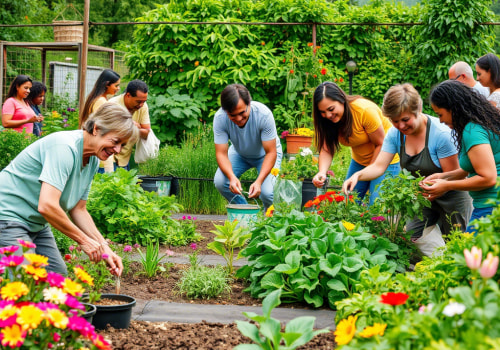
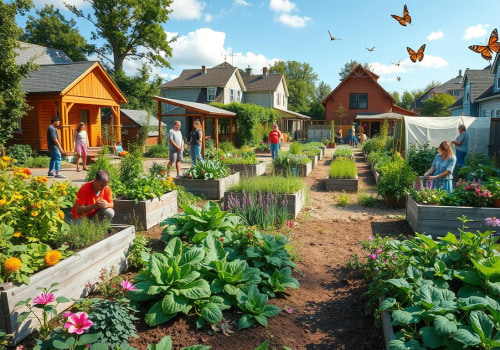
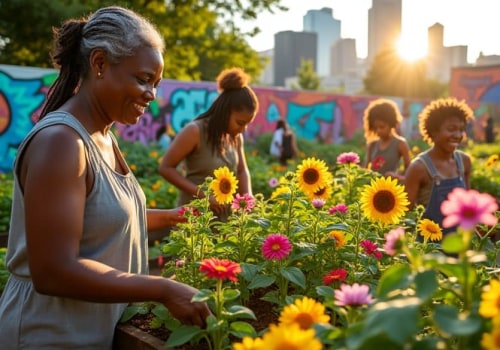
Community gardening is a collaborative effort where individuals come together to cultivate a shared piece of land, transforming it into a vibrant space for growing fruits, vegetables, and flowers. This practice not only fosters a sense of community but also promotes sustainable living and environmental stewardship. By engaging in community gardening, participants can enjoy the fruits of their labor while building relationships with their neighbors, creating a network of support and shared knowledge. The benefits of community gardening extend far beyond the physical act of planting seeds. These gardens serve as green oases in urban environments, improving air quality and providing habitats for local wildlife.
They also offer educational opportunities for individuals of all ages, teaching essential skills such as gardening techniques, nutrition, and environmental awareness. Furthermore, community gardens can help alleviate food insecurity by providing fresh produce to those who may not have access to it otherwise. In essence, community gardening is more than just a hobby; it is a movement that empowers individuals and strengthens communities. As we delve deeper into how social media can be harnessed to promote and connect with the community gardening community, it becomes clear that these platforms can amplify the impact of these gardens, bringing together diverse voices and fostering collaboration among gardeners.
The Role of Social Media in Community Engagement
Social media has revolutionized the way communities connect and engage, particularly in the realm of community gardening. By leveraging platforms such as Facebook, Instagram, and Twitter, gardening enthusiasts can share their experiences, tips, and successes, fostering a sense of belonging and collaboration among local gardeners.Benefits of Social Media in Gardening
- Increased Visibility: Social media allows community gardens to showcase their projects, attracting new members and volunteers.
Posts featuring vibrant images of plants and produce can capture attention and inspire others to join.
- Knowledge Sharing: Platforms enable gardeners to exchange valuable information about best practices, pest control, and seasonal planting. This collective knowledge enhances the gardening experience for everyone involved.
- Event Promotion: Social media is an effective tool for promoting community events such as workshops, plant swaps, or harvest festivals. By creating event pages or sharing posts, organizers can reach a wider audience.
Community Engagement Strategies
- Create a Dedicated Group: Establishing a Facebook group specifically for local gardeners can facilitate discussions, share resources, and build a supportive network.
- Utilize Hashtags: Using relevant hashtags like #CommunityGardening or #UrbanGardens can help connect with a broader audience interested in similar topics.
- Engage with Followers: Regularly responding to comments and messages fosters a sense of community. Sharing user-generated content also encourages participation and strengthens connections.
By utilizing these platforms effectively, gardeners can not only promote their initiatives but also cultivate lasting relationships that enrich their local environments.
Choosing the Right Social Media Platforms
When it comes to promoting community gardening, selecting the right social media platforms is crucial for reaching your target audience effectively. Each platform offers unique features and caters to different demographics, making it essential to choose wisely.Additionally, Facebook's event feature is perfect for organizing local gardening workshops or meet-ups.
Users can create boards dedicated to community gardening, pinning ideas for garden layouts, plant care tips, and seasonal projects. This platform is particularly useful for driving traffic to your blog or website, as users often seek detailed guides and tutorials.
Comparing Platforms
- Facebook: Best for community building and event organization.
- Instagram: Ideal for visual storytelling and inspiration.
- Pinterest: Great for sharing ideas and driving traffic.
- Twitter: Effective for real-time updates and networking.
By understanding the strengths of each platform, you can create a tailored strategy that effectively connects with your audience and promotes your gardening initiatives.
Creating Engaging Content for Community Gardening
Creating engaging content for the community gardening audience is essential for fostering connections and encouraging participation. Here are some effective strategies to consider:- Visual Storytelling: Use high-quality images and videos to showcase the beauty of community gardens. Capture the vibrant colors of blooming flowers, the textures of fresh produce, and the joy of community members working together. Consider creating time-lapse videos of garden growth or before-and-after transformations to visually narrate the gardening journey.
- Gardening Tips and Tricks: Share practical advice tailored to your audience's needs.
Create posts that cover topics such as seasonal planting guides, pest control methods, or organic gardening techniques. Infographics can be particularly effective in presenting this information in a visually appealing way.
- Highlight Community Stories: Feature stories from community members about their gardening experiences. This could include interviews, testimonials, or guest blog posts that share personal journeys, challenges faced, and successes achieved in their gardening endeavors.
- Interactive Content: Encourage engagement by creating polls, quizzes, or challenges related to gardening. For example, you could host a photo contest where community members submit pictures of their gardens or favorite plants.
This not only boosts interaction but also builds a sense of community.
- Educational Workshops: Promote upcoming workshops or events through social media. Share snippets of past events, including participant feedback and highlights. Live streaming workshops can also engage those who cannot attend in person, expanding your reach.
Building a Community Through Social Media Groups and Events
Social media has transformed the way communities connect, and for the community gardening movement, it offers a unique platform to foster relationships among gardeners.By utilizing social media groups, enthusiasts can share their experiences, tips, and resources, creating a vibrant online community.
Social Media Groups for Gardeners
- Joining dedicated Facebook groups or Reddit communities focused on community gardening allows members to engage in discussions, ask questions, and share their gardening successes.
- These platforms often feature local groups where gardeners can connect with others in their area, facilitating the exchange of plants, seeds, and gardening advice.
- Members can post photos of their gardens, which not only inspires others but also builds a sense of pride and accomplishment within the community.
Organizing Gardening Events Online
- Social media is an excellent tool for organizing virtual gardening events such as workshops, webinars, or Q&A sessions with experts. These events can cover various topics from organic gardening techniques to pest management.
- Using platforms like Facebook Live or Instagram Stories allows for real-time interaction, making participants feel more connected and engaged.
- Promoting these events through social media ensures a wider reach, attracting more participants who are eager to learn and share their knowledge.
Virtual Gardening Meetups
- Virtual meetups can be organized through video conferencing tools like Zoom or Google Meet. These gatherings provide an opportunity for gardeners to discuss their projects, share challenges, and celebrate successes together.
- Creating a regular schedule for these meetups encourages ongoing participation and helps build lasting relationships among members.
- Additionally, themed meetups focusing on specific topics—such as container gardening or permaculture—can attract diverse participants and enrich the community's knowledge base.
Success Stories: Case Studies of Community Gardening on Social Media
Social media has become a powerful tool for community gardening initiatives, allowing them to share their successes, attract new members, and foster a sense of community.Here are some inspiring case studies that illustrate the impact of social media on community gardening.
1.The Urban Garden Project
In 2020, the Urban Garden Project in Chicago leveraged Instagram to showcase their community garden's transformation. By posting before-and-after photos, they not only highlighted the physical changes but also shared stories of community members who participated in the project. This visual storytelling attracted over 1,000 followers within months and encouraged local residents to join their gardening workshops.2.The Green Thumb Initiative
The Green Thumb Initiative in San Francisco utilized Facebook to create a dedicated group for local gardeners. This platform allowed members to share tips, ask questions, and post about their gardening experiences.The group grew to over 500 members in less than a year, fostering connections among gardeners and leading to collaborative events such as seed swaps and community planting days.
3.Community Harvest Network
In a bid to promote sustainability, the Community Harvest Network in Portland used Twitter to engage with their audience during their annual harvest festival. They created a hashtag, #HarvestTogether, encouraging attendees to share their experiences in real-time. This not only increased event attendance but also generated buzz around community gardening, leading to new partnerships with local businesses.These case studies demonstrate that by effectively utilizing social media platforms, community gardening groups can enhance visibility, build relationships, and inspire others to get involved. Whether through visual storytelling on Instagram or creating supportive communities on Facebook, the potential for growth and connection is immense.Measuring the Impact of Social Media on Community Gardening Efforts
Measuring the impact of social media on community gardening efforts is essential for understanding how effectively these platforms can foster engagement and growth within local gardening initiatives.By utilizing various analytics tools and metrics, community gardeners can assess the success of their social media strategies.
Key Metrics to Track
- Engagement Rate: This includes likes, shares, comments, and overall interaction with posts. A high engagement rate indicates that the content resonates with the audience.
- Follower Growth: Monitoring the increase in followers over time can help gauge interest in community gardening initiatives and the effectiveness of outreach efforts.
- Website Traffic: Using tools like Google Analytics, community gardeners can track how much traffic is directed to their websites from social media platforms, indicating the success of promotional campaigns.
- Event Participation: Tracking attendance at community gardening events promoted through social media can provide insight into how well these platforms are driving real-world engagement.
Tools for Analytics
Several tools can assist in measuring these metrics:- Facebook Insights: Offers detailed analytics on post performance and audience demographics.
- Twitter Analytics: Provides data on tweet engagement and follower growth.
- Instagram Insights: Helps track engagement rates and reach for posts related to community gardening.
- Google Analytics: Essential for tracking website traffic and understanding user behavior stemming from social media campaigns.
Overcoming Challenges in Promoting Community Gardening via Social Media
Promoting community gardening through social media can be a rewarding endeavor, but it is not without its challenges. Understanding these obstacles and finding effective solutions is crucial for fostering a vibrant online community.Common Challenges in Community Gardening Promotion
- Lack of Engagement: Many community gardening initiatives struggle to attract active participation on social media platforms.
Posts may go unnoticed, leading to frustration among organizers.
- Information Overload: With the vast amount of content available online, it can be difficult for community gardening posts to stand out and capture attention.
- Negative Feedback: Online platforms can sometimes amplify criticism, which may discourage individuals from sharing their gardening experiences or seeking help.
Strategies to Overcome Social Media Barriers
- Engage with Your Audience: Regularly interact with followers by responding to comments, asking questions, and encouraging them to share their own gardening stories. This builds a sense of community and increases engagement.
- Create Compelling Content: Use high-quality images and videos that showcase the beauty and benefits of community gardening. Tutorials, success stories, and before-and-after transformations can captivate your audience.
- Utilize Hashtags Effectively: Research and use relevant hashtags to increase the visibility of your posts. This helps connect with a broader audience interested in gardening topics.
- Host Virtual Events: Organize online workshops or Q&A sessions that allow community members to participate actively.
This not only promotes engagement but also provides valuable information.
- Monitor Feedback: Keep an eye on comments and messages to address any negative feedback constructively. Acknowledging concerns can turn potential conflicts into opportunities for growth.
Conclusion: The Future of Community Gardening and Social Media Integration
As we look towards the future of community gardening, it is clear that the integration of social media will play a pivotal role in shaping its growth and sustainability. Throughout this article, we have explored various ways in which social media platforms can enhance community engagement, facilitate knowledge sharing, and promote local gardening initiatives.One of the most significant advantages of utilizing social media is its ability to connect individuals with shared interests.By creating dedicated groups or pages, community gardeners can foster a sense of belonging and collaboration. This not only encourages participation but also helps in building a supportive network where members can exchange tips, resources, and experiences.
- Increased Visibility: Social media allows community gardens to showcase their projects, attracting new members and potential volunteers.
- Event Promotion: Platforms like Facebook and Instagram are ideal for promoting gardening workshops, plant swaps, and community events.
- Resource Sharing: Gardeners can share valuable information about sustainable practices, pest management, and seasonal planting through posts and videos.
By leveraging these platforms effectively, they can ensure that their gardens thrive while simultaneously enriching their communities. The future of community gardening lies in collaboration, creativity, and the power of social media to bring people together.