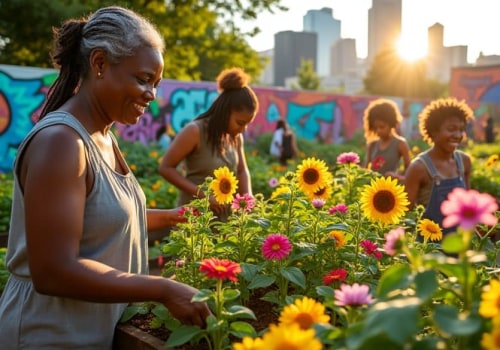
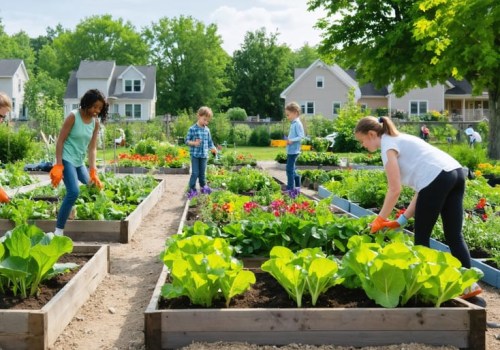
Community gardening is a collaborative effort where individuals come together to cultivate a shared piece of land, transforming it into a vibrant space for growing fruits, vegetables, and flowers. This practice not only fosters a sense of community but also serves as a powerful tool for addressing pressing issues such as food waste and environmental sustainability. By engaging in community gardening, participants learn the importance of sustainable practices, including composting, which can significantly reduce the amount of organic waste that ends up in landfills. The benefits of community gardening extend beyond just the production of fresh produce. These gardens create opportunities for education and awareness about food systems, encouraging individuals to make informed choices about their consumption habits.
As people witness the journey of food from seed to harvest, they become more conscious of their own food waste and are motivated to adopt practices that minimize it. Furthermore, community gardens often incorporate composting initiatives, allowing gardeners to recycle kitchen scraps and yard waste into nutrient-rich soil amendments. In essence, community gardening is not merely about growing food; it is about cultivating relationships and fostering a culture of sustainability. By understanding the definition and significance of community gardening, we can appreciate its role in promoting responsible consumption and waste reduction. As we delve deeper into this topic, we will explore how these gardens can effectively combat food waste and encourage composting practices within communities.
The Connection Between Community Gardens and Food Waste Reduction
Community gardens play a pivotal role in reducing food waste by fostering local food production and encouraging sustainable practices among participants.By growing their own fruits and vegetables, community members can significantly decrease the amount of food that would otherwise be wasted in transportation and storage.One of the most effective ways community gardens combat food waste is through the sharing of surplus produce. When gardeners grow more than they can consume, they often share their excess with neighbors or local food banks. This not only helps to feed those in need but also ensures that fresh produce does not go to waste. Many community gardens establish food-sharing programs or donation initiatives, creating a culture of sharing that benefits the entire community.Additionally, community gardens serve as educational hubs where participants learn about sustainable gardening practices and the importance of composting.
Workshops on composting techniques can empower gardeners to recycle organic waste from their kitchens and gardens, turning it into nutrient-rich soil for future crops. This practice not only reduces the amount of waste sent to landfills but also enhances soil health, leading to more productive gardens.Moreover, by engaging in community gardening, individuals become more aware of their consumption habits and the environmental impact of food waste. They learn to appreciate the value of fresh produce and are encouraged to plan their meals better, which further minimizes waste at home.In summary, community gardens are a powerful solution for tackling food waste. Through local production, sharing surplus produce, and promoting composting education, these gardens create a sustainable ecosystem that benefits both individuals and the broader community.
Promoting Composting Through Community Gardening
Community gardens are not just spaces for growing fresh produce; they also play a crucial role in promoting composting practices that can significantly reduce food waste.By integrating composting into the community gardening framework, these gardens become educational hubs where members can learn about the benefits and methods of composting.
Benefits of Composting in Gardens
- Soil Enrichment: Compost adds essential nutrients to the soil, improving its structure and fertility, which leads to healthier plants.
- Waste Reduction: By composting organic waste, community gardens help divert food scraps from landfills, reducing overall waste and greenhouse gas emissions.
- Water Retention: Compost improves soil's ability to retain moisture, reducing the need for frequent watering and promoting sustainable gardening practices.
- Community Engagement: Composting initiatives foster collaboration among gardeners, encouraging them to share knowledge and resources.
How to Compost in Community Gardens
Implementing composting in community gardens can be straightforward. Here are some effective methods:
- Create a Compost Bin: Designate a specific area for composting within the garden. Use bins made from wood or wire mesh to contain organic materials.
- Gather Organic Materials: Encourage gardeners to contribute kitchen scraps (like fruit and vegetable peels), yard waste (such as leaves and grass clippings), and other compostable items.
- Maintain the Pile: Regularly turn the compost pile to aerate it, which speeds up decomposition. Monitor moisture levels to ensure the pile is damp but not soggy.
- Educate Members: Host workshops or informational sessions on composting techniques, benefits, and troubleshooting common issues.
This practice fosters a sense of responsibility towards waste management while cultivating a deeper connection with nature and the community.
Case Studies: Successful Community Gardens Reducing Food Waste
Community gardens have emerged as powerful tools in the fight against food waste, with numerous success stories showcasing their impact. Here are a few notable case studies that illustrate how these gardens not only reduce waste but also promote sustainable practices like composting.1.The Green Thumb Community Garden, New York City
Located in the heart of Brooklyn, the Green Thumb Community Garden has implemented a composting program that has significantly reduced food waste among its members. By providing compost bins and educational workshops, the garden encourages participants to compost their kitchen scraps. As a result, they have diverted over 2,000 pounds of organic waste from landfills each year.This initiative not only enriches the soil but also fosters a sense of community responsibility towards waste management.
2.The Urban Oasis Project, Miami
The Urban Oasis Project in Miami is another exemplary case where community gardening has led to effective food waste reduction. This project focuses on transforming vacant lots into productive gardens while promoting composting practices. They have partnered with local restaurants to collect food scraps, which are then composted and used to nourish the garden. This collaboration has resulted in a 30% decrease in food waste from participating restaurants, demonstrating how community gardens can create a circular economy.3.The Edible Schoolyard Project, Berkeley
The Edible Schoolyard Project in Berkeley integrates gardening into school curricula, teaching children about sustainability and food systems.Their garden not only provides fresh produce for school lunches but also incorporates a robust composting program. Students learn to compost their leftover food, which has led to a 50% reduction in cafeteria waste. This hands-on experience instills lifelong habits of reducing waste and understanding the importance of composting.These case studies highlight the potential of community gardening as a solution for reducing food waste and promoting composting. By fostering collaboration among community members and local businesses, these gardens create sustainable practices that benefit both the environment and the community.
Challenges Faced by Community Gardens in Waste Management
Community gardens play a vital role in promoting sustainable practices, yet they face several challenges in effectively managing food waste and implementing composting systems.Understanding these barriers is essential for enhancing the impact of community gardening initiatives.
- Limited Space: Many community gardens operate in small areas, making it difficult to allocate sufficient space for composting bins. This limitation can hinder the ability to process organic waste effectively.
- Lack of Knowledge: Not all community gardeners are familiar with composting techniques or the benefits of reducing food waste. This knowledge gap can lead to improper composting practices or a reluctance to participate in composting efforts.
- Inconsistent Participation: Community gardens rely on volunteers, and inconsistent participation can lead to challenges in maintaining composting systems. When members do not regularly contribute to composting efforts, it can result in unmanageable waste accumulation.
- Pest Management: Improperly managed compost piles can attract pests, which may deter gardeners from engaging in composting.
Addressing pest issues is crucial for creating a welcoming environment for all participants.
- Education and Training: Providing workshops on composting and waste management can empower gardeners with the knowledge they need to participate effectively.
- Designated Compost Areas: Allocating specific areas for composting within the garden can help manage space constraints while ensuring that organic waste is processed efficiently.
- Regular Maintenance Schedules: Establishing a routine for maintaining compost bins can encourage consistent participation and help manage waste effectively.
- Pest Control Measures: Implementing natural pest control methods can mitigate issues related to pests, making composting more appealing to gardeners.
How to Start a Community Garden Focused on Reducing Food Waste
Starting a community garden focused on reducing food waste is a rewarding endeavor that not only benefits the environment but also fosters community spirit. Here are some practical steps to help you get started:- Gather a Group: Begin by assembling a group of interested individuals who share your vision. This could include neighbors, local schools, or community organizations.
- Choose a Location: Look for available land that is accessible to all members. Consider public parks, vacant lots, or even schoolyards.
Ensure the site has adequate sunlight and water access.
- Plan Your Garden: Design the layout of your garden with an emphasis on growing fruits and vegetables that are less likely to go to waste. Incorporate diverse plantings to attract pollinators and beneficial insects.
- Implement Composting: Set up a composting system within the garden. This can be as simple as a compost bin or a designated area for compost piles. Encourage members to bring kitchen scraps and yard waste to reduce overall waste.
- Educate the Community: Host workshops on composting and sustainable gardening practices.
Share tips on how to minimize food waste at home, such as meal planning and proper storage techniques.
- Establish Guidelines: Create clear guidelines for garden maintenance, including how to handle excess produce. Consider implementing a sharing system where surplus fruits and vegetables can be distributed among members or donated to local food banks.
FAQs About Community Gardening and Food Waste Reduction
Community gardening not only fosters a sense of community but also plays a significant role in reducing food waste and promoting composting. Here are some frequently asked questions that delve into these important topics:- How does community gardening help reduce food waste? Community gardens provide a space for individuals to grow their own fruits and vegetables, which can significantly cut down on the amount of food that goes to waste.
When people grow their own produce, they are more likely to use it, thus minimizing the chances of spoilage and waste.
- What are some common composting practices in community gardens? Many community gardens implement composting systems where members can contribute organic waste such as vegetable scraps, coffee grounds, and yard waste. This not only reduces landfill contributions but also creates nutrient-rich compost that can be used to enrich the soil in the garden.
- Can community gardens educate people about food waste? Absolutely! Community gardens often host workshops and events that teach participants about sustainable practices, including how to minimize food waste at home. By sharing knowledge on meal planning and proper storage techniques, they empower individuals to make informed choices.
- What types of food waste can be composted? In community gardens, most organic materials can be composted. This includes:
- Fruit and vegetable scraps
- Eggshells
- Coffee grounds
- Grass clippings
- Leaves
- How can I get involved in a community garden? Getting involved is simple! Look for local community gardens in your area through social media platforms or local government websites.
Many gardens welcome new members and offer opportunities for volunteering, which can enhance your understanding of gardening and composting.
Conclusion: The Future of Community Gardening in Sustainable Practices
In conclusion, community gardening stands as a powerful tool in the fight against food waste and the promotion of sustainable practices such as composting. By bringing together individuals from diverse backgrounds, these gardens foster a sense of community while simultaneously addressing critical environmental issues. Throughout this article, we explored how community gardens not only provide fresh produce but also serve as educational platforms. They teach participants about the importance of reducing food waste through responsible gardening practices. For instance, gardeners learn to utilize every part of their harvest, minimizing leftovers that might otherwise end up in landfills. Moreover, the integration of composting within community gardens plays a vital role in enhancing soil health and reducing organic waste.By composting kitchen scraps and garden waste, participants can create nutrient-rich soil amendments that support plant growth. This cycle of reuse not only enriches the garden but also exemplifies sustainable living. As we look to the future, it is essential to recognize the potential of community gardening as a model for urban sustainability. By expanding these initiatives, we can further reduce our carbon footprint and promote a culture of environmental stewardship. Community gardens can serve as hubs for innovation, where new ideas about waste reduction and composting can flourish. Ultimately, the success of community gardening in reducing food waste and promoting composting hinges on collaboration and education.
As more individuals engage with these practices, we can cultivate a more sustainable future for our communities and the planet.