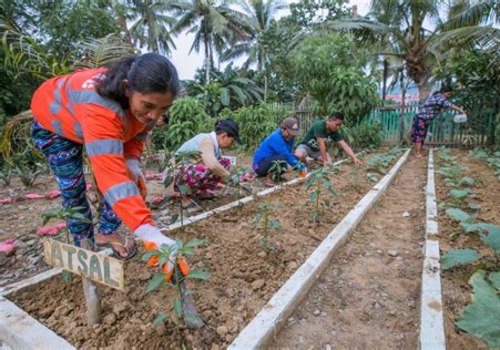
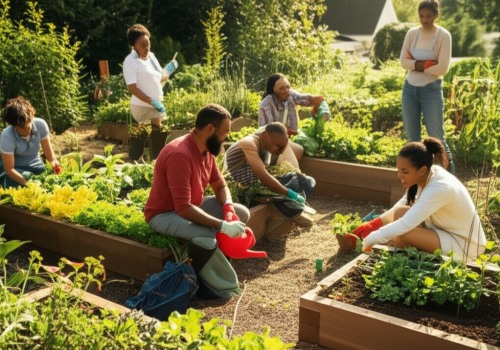
In the realm of community gardening, collaboration stands as a cornerstone for fostering not only vibrant green spaces but also strong community ties. When local gardens unite, they create a network that amplifies their collective impact, allowing for the sharing of resources, knowledge, and experiences. This synergy not only enhances the gardening experience but also cultivates a sense of belonging among participants, making it essential for the sustainability and growth of community initiatives. Engaging with other community gardens opens up avenues for community engagement that extend beyond the confines of individual plots. By collaborating on projects such as seed exchanges, workshops, or joint events, gardeners can learn from one another and share best practices.
This exchange of ideas not only enriches the gardening techniques employed but also fosters a spirit of camaraderie that can lead to lasting friendships and partnerships. Moreover, collaboration can significantly enhance the benefits of community gardening. By pooling resources, gardens can access better tools, seeds, and educational materials that might be out of reach for individual groups. This collective approach not only maximizes efficiency but also ensures that all members have equal opportunities to thrive in their gardening endeavors. Ultimately, the importance of collaboration in community gardening cannot be overstated; it is through these connections that communities can grow stronger, healthier, and more resilient.
Identifying Local Community Gardens and Their Goals
To effectively collaborate with other community gardens, the first step is to identify local community gardens in your area.This can be achieved through various methods:
- Online Research: Utilize platforms like Google Maps, social media, and community gardening websites to locate gardens nearby. Websites such as Community Garden Network can provide valuable information.
- Local Gardening Clubs: Join local gardening clubs or associations that often have connections with multiple community gardens. These groups can serve as a hub for networking.
- Community Events: Attend local farmers' markets, gardening workshops, or environmental fairs where community gardens may have booths or representatives present.
- Food Production: Some gardens prioritize growing food for local food banks or community members in need.
- Education: Others may focus on teaching sustainable gardening practices and providing workshops for all ages.
- Environmental Stewardship: Many gardens aim to promote biodiversity and improve local ecosystems.
For instance, if your garden emphasizes education, partnering with a garden focused on food production could lead to workshops that teach sustainable practices while also providing fresh produce to the community. Networking with other gardens can be facilitated through regular meetings or joint events. Consider organizing a community gardening fair, where different gardens can showcase their work, share resources, and discuss potential collaborations. This not only strengthens relationships but also fosters a sense of community among gardeners.
Organizing Joint Events and Workshops
Collaborating with other community gardens can significantly enhance the impact and reach of your gardening initiatives. One effective way to foster these connections is by organizing joint events and workshops.These gatherings not only promote community engagement but also provide valuable learning opportunities for participants.
Benefits of Joint Events
- Resource Sharing: By pooling resources, such as tools, seeds, and knowledge, community gardens can reduce costs and increase the variety of offerings available to participants.
- Increased Visibility: Joint events attract a larger audience, allowing each garden to showcase its unique features and attract new members.
- Networking Opportunities: Collaborating with other gardens fosters relationships that can lead to future partnerships and shared projects.
Types of Collaborative Workshops
- Gardening Workshops: Host workshops on specific topics such as organic gardening, pest management, or composting. Invite experts from different gardens to share their knowledge.
- Seasonal Events: Organize seasonal celebrations like harvest festivals or spring planting days. These events can include activities for all ages, such as cooking demonstrations or children’s gardening games.
- Community Clean-Up Days: Collaborate on beautification projects that benefit all participating gardens. This not only improves the aesthetics of the area but also strengthens community ties.
Tips for Successful Collaboration
- Establish Clear Goals: Before planning an event, ensure all parties agree on the objectives and desired outcomes.
- Communicate Regularly: Maintain open lines of communication throughout the planning process to address any concerns or changes promptly.
- Promote Together: Use social media and local networks to promote the event collectively, maximizing outreach and participation.
This synergy not only enhances individual gardens but also strengthens the entire community's commitment to sustainable practices.
Sharing Resources and Best Practices
Collaboration among community gardens can significantly enhance the gardening experience and yield better results for all involved. One of the most effective ways to achieve this is through resource sharing. By pooling resources, community gardens can access tools, seeds, and materials that may be too costly for individual gardens to acquire.Sharing Tools and Equipment
- Establish a tool library where members from different gardens can borrow equipment such as tillers, shovels, and wheelbarrows.
- Organize community workdays where gardeners come together to share labor and tools for larger projects, such as building raised beds or installing irrigation systems.
Seed Exchanges
- Host seed swap events where gardeners can exchange seeds from their favorite plants, promoting biodiversity and encouraging the growth of unique varieties.
- Create a shared seed bank that allows members to contribute and access seeds throughout the growing season.
Exchanging Knowledge and Best Practices
- Organize workshops or seminars led by experienced gardeners to share best practices on topics such as pest management, organic gardening techniques, and soil health.
- Develop a mentorship program where seasoned gardeners can guide newcomers, fostering a sense of community and enhancing gardening skills.
By working together and sharing resources, community gardens not only improve their individual practices but also strengthen the entire gardening community.
Creating a Community Garden Network or Coalition
Building a community garden network or coalition can significantly enhance the impact of individual gardens and foster a sense of unity among local gardeners. By collaborating, community gardens can share resources, knowledge, and advocacy efforts, ultimately leading to more sustainable practices and greater community engagement.Here are some effective strategies for forming a successful coalition:- Organize Regular Meetings: Schedule regular gatherings for representatives from different community gardens to discuss challenges, share successes, and brainstorm collaborative projects. This can help build relationships and establish trust among participants.
- Create a Shared Vision: Develop a common mission statement that reflects the goals and values of the coalition. This shared vision will guide decision-making and help align the efforts of all member gardens.
- Leverage Resources: Pool resources such as tools, seeds, and educational materials.
By sharing these assets, gardens can reduce costs and increase access to necessary supplies.
- Host Joint Events: Plan community events such as workshops, plant swaps, or harvest festivals that involve multiple gardens. These events can attract more participants and raise awareness about the benefits of community gardening.
- Advocate Together: Collaborate on advocacy efforts to influence local policies related to urban agriculture. A united front can amplify voices and increase the chances of effecting change.
Engaging with Local Schools and Organizations
Collaborating with local schools and organizations can significantly enhance the impact of community gardening initiatives.By engaging with educational institutions, community gardens can foster a love for gardening among students and promote sustainable practices from a young age.
School Gardening Programs
- Establishing school gardening programs allows students to learn about plant biology, nutrition, and environmental stewardship hands-on. Community gardens can provide resources, mentorship, and even physical space for these programs.
- Organizing workshops or field trips to local community gardens can help students connect classroom learning with real-world applications, making the experience both educational and enjoyable.
Partnerships with Organizations
- Forming partnerships with local non-profits or environmental organizations can amplify outreach efforts. These organizations often have established networks and resources that can support community gardening initiatives.
- Collaborative events such as garden fairs, plant swaps, or volunteer days can bring together diverse groups, fostering a sense of community while promoting the benefits of gardening.
Educational Gardening Initiatives
- Implementing educational initiatives that focus on sustainable gardening practices can empower community members. Workshops on composting, organic gardening, and pest management can be organized in collaboration with local experts.
- Creating a curriculum that includes lessons on the importance of biodiversity and local ecosystems can further enrich the educational experience for both students and community members.
Utilizing Social Media for Collaboration Opportunities
In today's digital age, social media serves as a powerful tool for community gardens to connect, collaborate, and share resources.By leveraging various platforms, gardens can not only promote their own events but also engage with other local gardens to foster a sense of community and cooperation.
Use relevant hashtags like #CommunityGardening or #UrbanGardens to reach a broader audience and connect with other gardens.Additionally, consider utilizing Twitter for quick updates and networking. Engaging with local gardening influencers or organizations can help amplify your message and create collaborative opportunities. Retweeting or sharing posts from other community gardens can also strengthen relationships within the gardening community.For more structured collaboration, explore online collaboration tools such as Trello or Slack. These platforms allow multiple gardens to coordinate on projects, share resources, and plan joint events efficiently.
Setting up a shared calendar can help all participating gardens stay informed about upcoming activities.Finally, promoting garden events online is crucial for attracting volunteers and participants. Create event pages on platforms like Eventbrite or use Facebook Events to reach a wider audience. Encourage other community gardens to share these events on their social media channels to maximize visibility.By effectively utilizing social media and online tools, community gardens can enhance their collaborative efforts, share knowledge, and ultimately create a more vibrant gardening community.
FAQs About Collaborating with Community Gardens
Collaborating with other community gardens can enhance your gardening experience and foster a sense of community. Here are some frequently asked questions about how to effectively collaborate with nearby gardens:- What are the benefits of collaborating with other community gardens?
Collaboration can lead to shared resources, knowledge exchange, and increased visibility for all participating gardens.By working together, you can organize larger events, share tools, and even combine efforts for pest management or soil improvement.
- How can we initiate collaboration with other gardens?
Start by reaching out to local garden coordinators or leaders through social media platforms or community boards. Hosting a meet-and-greet event can also be an effective way to introduce your garden and discuss potential collaboration opportunities. - What types of collaborative projects can we undertake?
Consider organizing joint workshops, plant swaps, or community harvest festivals. You could also collaborate on educational programs that teach gardening techniques or sustainable practices. - How do we handle differences in gardening practices?
Open communication is key. Discuss your gardening philosophies and practices openly to find common ground.Establishing a set of shared goals can help align your efforts while respecting each garden's unique approach.
- Are there any funding opportunities for collaborative projects?
Yes! Many local governments and non-profit organizations offer grants specifically for community gardening initiatives. Research available funding options and consider applying as a coalition to increase your chances of success.
Conclusion: The Future of Community Gardening Through Collaboration
As we look towards the future of community gardening, it becomes increasingly clear that collaboration is not just beneficial but essential for the sustainability and growth of these green spaces. By working together, community gardens can share resources, knowledge, and experiences that enhance their impact on local neighborhoods.One of the most effective ways to foster collaboration is through the establishment of a community gardening network. This network can serve as a platform for sharing best practices, organizing joint events, and even pooling resources for larger projects.For instance, gardens can collaborate on workshops that educate members about sustainable practices, pest management, or seasonal planting techniques.
- Joint Events: Organizing community events such as harvest festivals or plant swaps can bring together different gardens and their members, fostering a sense of community and shared purpose.
- Resource Sharing: By sharing tools, seeds, and even volunteers, community gardens can reduce costs and increase efficiency. This not only benefits individual gardens but also strengthens the overall gardening community.
- Collaborative Projects: Engaging in joint projects, such as creating a community composting program or a shared irrigation system, can lead to significant improvements in sustainability and resource management.
By embracing collaboration, we not only enhance our individual gardens but also contribute to a larger movement that promotes sustainability, education, and community engagement. As we cultivate our plots of land, let us also cultivate relationships that will help our gardens—and our communities—thrive.