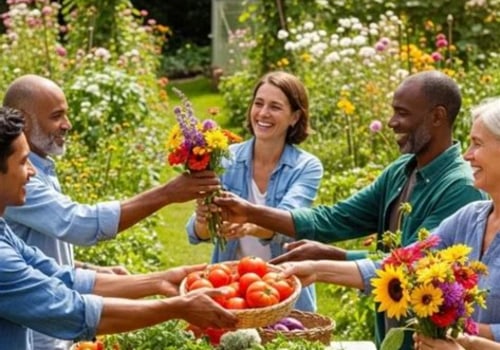
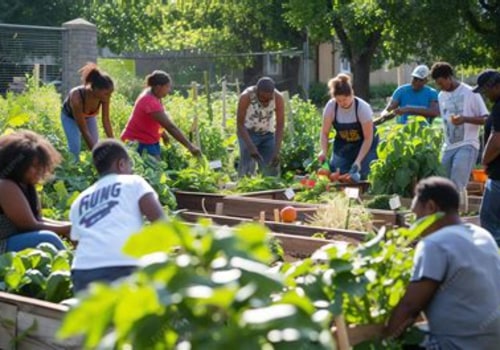
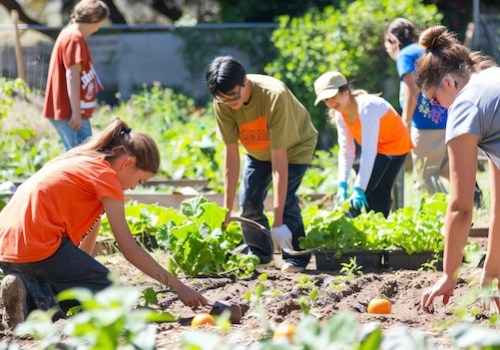
Community gardening has emerged as a vibrant and inclusive way for individuals to come together, cultivate plants, and foster a sense of belonging. This practice not only allows participants to grow their own food but also serves as a platform for social interaction, education, and environmental stewardship. As urban areas expand and green spaces diminish, community gardens have become essential in promoting sustainability and enhancing the quality of life in neighborhoods. The benefits of community gardening extend far beyond the physical act of planting seeds. These gardens provide fresh produce to local residents, often improving access to healthy food options in areas known as food deserts.
Additionally, they offer educational opportunities for individuals of all ages, teaching valuable skills related to horticulture, nutrition, and ecology. The collaborative nature of these gardens encourages teamwork and strengthens community ties, making them a vital resource for social cohesion. As the popularity of community gardening continues to rise, it attracts a diverse group of participants from various backgrounds and cultures. This diversity can enrich the gardening experience but may also lead to potential conflicts over differing opinions on garden management, resource allocation, and personal gardening practices. Understanding the dynamics of community gardening is crucial for addressing these conflicts effectively and ensuring that all voices are heard in the pursuit of a thriving communal space.
Common Conflicts in Community Gardens
Community gardening can be a rewarding experience, but it is not without its challenges.Various conflicts can arise, often stemming from differing expectations and practices among gardeners. Understanding these common conflicts is essential for fostering a harmonious gardening environment. One prevalent issue is disputes over land use. In community gardens, space is often limited, leading to disagreements about how plots should be allocated. Some gardeners may prefer to grow a variety of plants, while others might want to focus on specific crops.
This can create tension if not addressed early on. Another common conflict arises from differing gardening styles. For instance, some gardeners may adopt organic practices, while others might use conventional methods that include chemical fertilizers and pesticides. These differences can lead to disputes over the health of the garden and the safety of produce.
Resource allocation
is also a significant source of conflict. Community gardens often share tools, water sources, and compost bins.If one gardener monopolizes these resources or fails to return tools in good condition, it can lead to frustration among fellow gardeners. Establishing clear guidelines for resource sharing can help mitigate these issues. Additionally, communication breakdowns can exacerbate conflicts. Misunderstandings about garden rules or responsibilities can lead to resentment. Regular meetings and open lines of communication are vital for addressing concerns before they escalate. In summary, recognizing the types of conflicts that can occur in community gardening—such as land use disputes, differing gardening styles, resource allocation issues, and communication breakdowns—can help gardeners work together more effectively and create a thriving community garden.
Effective Communication Strategies
Effective communication is the cornerstone of successful community gardening.When gardeners engage in open dialogue, they can address potential conflicts before they escalate. Here are some strategies to foster effective communication:
- Regular Meetings: Schedule regular meetings to discuss garden plans, share updates, and address any concerns. This creates a structured environment for dialogue and ensures everyone has a voice.
- Establish Clear Guidelines: Develop a set of guidelines that outline expectations for behavior, responsibilities, and conflict resolution processes. Having these guidelines in writing helps prevent misunderstandings.
- Encourage Active Listening: Promote an atmosphere where all members feel heard.
Encourage gardeners to practice active listening by summarizing what others have said before responding. This shows respect and fosters understanding.
- Use Neutral Language: When discussing conflicts, use neutral language to avoid escalating tensions. Focus on the issue at hand rather than personal attributes or past grievances.
- Conflict Resolution Training: Consider organizing workshops on conflict resolution and communication skills. Providing tools and techniques can empower gardeners to handle disputes constructively.
Open communication not only helps resolve issues but also strengthens relationships among gardeners, fostering a sense of community and collaboration.
Establishing Clear Guidelines and Rules
Establishing clear guidelines and rules is essential for the success of any community gardening initiative. These rules serve as a framework that helps manage expectations and responsibilities among all participants, thereby reducing the likelihood of conflicts.One effective approach to creating these guidelines is to involve all members of the community garden in the discussion. This collaborative effort not only fosters a sense of ownership but also ensures that the rules reflect the diverse needs and perspectives of the gardeners. Here are some key areas to consider when drafting your community garden rules:- Plot Maintenance: Clearly outline the responsibilities for maintaining individual plots, including weeding, watering, and harvesting.
Specify how often these tasks should be performed to keep the garden thriving.
- Shared Resources: Define how communal tools, seeds, and other resources will be shared. Establish a schedule for their use to prevent misunderstandings.
- Conflict Resolution: Create a process for addressing disputes that may arise. This could include mediation steps or a designated committee to handle grievances.
- Garden Hours: Set specific hours during which members can access the garden. This helps ensure that everyone has equal opportunity to tend to their plots without encroaching on others' time.
- Plant Selection: Agree on what types of plants can be grown in the garden.
This can help avoid issues related to invasive species or plants that may not thrive in your local climate.
Conflict Resolution Techniques
Addressing conflicts in community gardening requires a thoughtful approach that fosters collaboration and understanding among members.Here are some effective conflict resolution techniques that can be employed:
- Open Communication: Encourage an environment where all members feel comfortable expressing their concerns. Regular meetings can provide a platform for discussing issues before they escalate.
- Active Listening: When conflicts arise, it’s crucial to listen actively to all parties involved. This means giving full attention, acknowledging feelings, and clarifying points to ensure everyone feels heard.
- Mediation: In cases where disputes cannot be resolved through direct communication, bringing in a neutral third party can help facilitate discussions. A mediator can guide the conversation, helping each side articulate their needs and find common ground.
- Negotiation: Encourage members to negotiate solutions that are acceptable to all parties.
This may involve compromise, where each party gives up something to reach a mutually beneficial agreement.
- Establishing Clear Guidelines: Having a set of rules or guidelines for the community garden can prevent misunderstandings. These should cover responsibilities, resource allocation, and conflict resolution processes.
Building a Strong Community Culture
Creating a thriving community garden goes beyond just planting seeds; it involves nurturing a strong community culture that fosters collaboration and understanding among gardeners. By implementing specific practices and activities, garden members can build relationships that not only enhance the gardening experience but also help to mitigate potential conflicts.Organize Regular Meetings
Holding regular meetings is essential for maintaining open lines of communication.These gatherings provide a platform for gardeners to discuss their experiences, share ideas, and address any concerns. During these meetings, members can:
- Set collective goals for the garden.
- Discuss upcoming events or projects.
- Resolve any misunderstandings or disputes in a constructive manner.
Host Community Events
Community events such as potlucks, workshops, or seasonal celebrations can significantly enhance the community spirit. These gatherings allow gardeners to connect on a personal level, fostering friendships that can lead to better cooperation in the garden. Consider organizing:- Workdays: Schedule days where all members come together to work on the garden, promoting teamwork.
- Educational Workshops: Invite experts to teach gardening techniques or sustainable practices, encouraging knowledge sharing.
- Social Gatherings: Plan informal get-togethers to celebrate milestones or simply enjoy each other's company.
Encourage Inclusivity
A welcoming environment is crucial for building relationships in community gardens.Encourage inclusivity by:
- Welcoming new members with orientation sessions that explain garden rules and practices.
- Creating diverse teams for various tasks, ensuring everyone feels valued and included.
- Promoting respect for different gardening styles and cultural practices.
Case Studies: Successful Conflict Resolution in Community Gardens
Community gardening can be a rewarding experience, but it often comes with its share of conflicts. Here are some real-life examples of successful conflict resolution in community gardens that highlight effective practices and lessons learned.Case Study 1: The Shared Plot Dilemma
In a community garden in Portland, Oregon, a dispute arose over the use of a shared plot. Some members felt that others were not contributing equally to the maintenance of the garden.To address this, the garden committee organized a meeting where all members could voice their concerns. They implemented a rotating schedule for plot maintenance and established clear guidelines for participation. This not only resolved the immediate conflict but also fostered a sense of ownership among all members.
Case Study 2: The Watering Wars
A community garden in Chicago faced issues regarding watering schedules, leading to tensions between gardeners. To resolve this, they created a watering calendar accessible to all members.Each gardener was assigned specific days to water their plots, and they also encouraged collaboration by pairing experienced gardeners with novices. This approach not only alleviated the conflict but also built camaraderie within the community.
Case Study 3: The Pest Problem
In a New York City garden, an outbreak of pests threatened the crops, leading to blame among gardeners. Instead of pointing fingers, the community organized a workshop on pest management, inviting local experts to share sustainable practices. This proactive approach not only educated the gardeners but also transformed a potential conflict into an opportunity for learning and collaboration.These case studies illustrate that effective communication, clear guidelines, and collaborative problem-solving are essential in addressing conflicts in community gardening.By learning from these examples, other gardens can implement similar strategies to foster harmony and productivity within their communities.
FAQs About Conflicts in Community Gardening
Community gardening can be a rewarding experience, but it can also lead to conflicts among members. Here are some frequently asked questions regarding these disputes and how to resolve them:What are common sources of conflict in community gardens?
Conflicts in community gardening often arise from:- Disagreements over plot maintenance: Some gardeners may not maintain their plots, leading to frustration among others.
- Resource sharing issues: Disputes can occur over shared tools, water access, or communal supplies.
- Different gardening practices: Varied approaches to gardening, such as organic versus conventional methods, can lead to misunderstandings.
- Boundary disputes: Confusion about plot boundaries can result in encroachment and tension.
How can conflicts be resolved effectively?
Addressing conflicts in community gardening requires open communication and a willingness to compromise. Here are some strategies:- Establish clear guidelines: Create a set of rules that outline responsibilities and expectations for all members.
- Encourage open dialogue: Foster an environment where gardeners feel comfortable discussing their concerns without fear of retaliation.
- Mediation: In cases of persistent conflict, consider appointing a neutral mediator to facilitate discussions and find common ground.
- Regular meetings: Hold regular meetings to address issues collectively and keep everyone informed about garden activities.
What should I do if a conflict escalates?
If a conflict escalates beyond informal resolution methods, it may be necessary to involve external parties. This could include:- Local gardening organizations: They may offer resources or mediation services.
- Mediation services: Professional mediators can help resolve disputes impartially.
Conclusion: Fostering Harmony in Community Gardens
In conclusion, fostering harmony in community gardening requires a proactive approach to conflict resolution.Throughout this article, we have explored various strategies that can help mitigate potential disputes among gardeners, ensuring a thriving and cooperative environment. One of the most effective ways to address conflicts is through open communication. Establishing regular meetings allows members to voice concerns, share ideas, and collaboratively develop solutions. This transparency not only builds trust but also encourages a sense of ownership among participants. Additionally, creating clear guidelines and expectations for all members is crucial. By outlining responsibilities, rules regarding plot maintenance, and shared resources, misunderstandings can be minimized.
A well-defined framework helps everyone understand their roles and the importance of respecting communal spaces. Another key aspect is the implementation of a conflict resolution process. Having a designated mediator or a small committee can provide an impartial perspective when disagreements arise. This ensures that issues are addressed promptly and fairly, preventing escalation. Moreover, fostering a sense of community through social events can strengthen relationships among gardeners. Activities such as potlucks or workshops not only enhance camaraderie but also create opportunities for informal discussions about gardening practices and shared goals. Ultimately, the success of a community garden hinges on the collective effort of its members to cultivate not just plants but also positive relationships.
By prioritizing communication, establishing clear guidelines, implementing conflict resolution strategies, and promoting social interactions, community gardens can flourish as harmonious spaces where everyone feels valued and engaged.