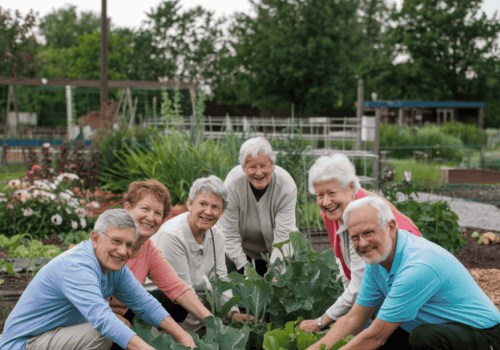
Community gardening is more than just a trend; it’s a movement that fosters connection, sustainability, and healthy living. By transforming vacant lots or underutilized spaces into vibrant gardens, communities can cultivate not only fresh produce but also relationships among neighbors. This collaborative effort allows individuals to share resources, knowledge, and the joy of gardening, making it an enriching experience for everyone involved. The benefits of community gardening extend far beyond the physical act of planting seeds. These gardens serve as a platform for education, teaching participants about sustainable practices and the importance of local food systems.
They also promote mental well-being by providing a peaceful retreat from the hustle and bustle of daily life. Moreover, community gardens can enhance local biodiversity, attract pollinators, and contribute to environmental health. However, to fully realize the potential of community gardening, having the right gardening tools is essential. From basic hand tools like trowels and pruners to larger equipment such as wheelbarrows and compost bins, each tool plays a crucial role in maintaining the garden's productivity. Understanding which tools are necessary not only streamlines the gardening process but also ensures that all participants can contribute effectively.
As we delve deeper into this topic, we will explore the specific tools that can make community gardening a successful and enjoyable endeavor.
Basic Gardening Tools Every Community Gardener Needs
When embarking on a community gardening project, having the right tools is essential for success. Here are some of the basic gardening tools that every community gardener should consider:- Trowel: A sturdy trowel is indispensable for digging, planting, and transferring soil. Look for one with a comfortable grip and a durable blade.
- Pruners: Also known as secateurs, pruners are vital for trimming plants and removing dead or overgrown branches. Choose a pair that fits well in your hand and can handle the thickness of the plants you’ll be working with.
- Gloves: Protecting your hands is crucial when gardening.
Invest in a good pair of gloves that offer both comfort and durability, allowing you to work without fear of cuts or blisters.
- Hand Rake: A hand rake is useful for loosening soil and removing debris from your garden beds. It helps in aerating the soil, which is essential for healthy plant growth.
- Watering Can: Proper hydration is key in any garden. A watering can with a long spout allows you to reach plants easily without disturbing the soil.
- Garden Fork: This tool is perfect for turning soil and mixing in compost or fertilizers. A garden fork can also help break up compacted earth, making it easier for roots to grow.
Having the right essential gardening equipment not only makes tasks easier but also enhances the overall gardening experience for everyone involved. By equipping yourself with these fundamental tools, you’ll be well-prepared to contribute to your community gardening efforts and help create a thriving green space for all to enjoy.
Soil Preparation Tools for Community Gardens
Preparing the soil is a fundamental step in community gardening, as it sets the stage for healthy plant growth. To ensure your garden thrives, having the right tools for soil preparation is essential. Here are some key tools that every community gardener should consider:- Garden Tillers: A garden tiller is an invaluable tool for breaking up compacted soil and mixing in organic matter. These machines come in various sizes, from small electric models suitable for home gardens to larger gas-powered versions for bigger plots.
Using a tiller can save time and effort, allowing you to prepare your garden bed quickly and efficiently.
- Hand Tools: For smaller areas or more delicate tasks, hand tools like spades, hoes, and cultivators are crucial. These tools help in loosening the soil, removing weeds, and incorporating compost or fertilizers into the ground.
- Soil Testing Kits: Understanding your soil's composition is vital for successful gardening. Soil testing kits allow you to analyze pH levels and nutrient content, helping you make informed decisions about amendments needed for optimal plant growth. Many kits are user-friendly and provide quick results, making them a must-have for community gardeners.
Composting not only improves soil structure but also enhances its nutrient content, promoting healthier plants. By equipping yourself with these essential soil preparation tools, you can create a thriving community garden that benefits all members involved. Proper soil preparation leads to robust plants and a bountiful harvest, making it a rewarding endeavor for everyone in the community.
Watering Equipment for Community Gardens
Effective watering equipment is essential for the success of any community gardening initiative. Proper hydration not only promotes healthy plant growth but also conserves water, making it a sustainable practice. Here are some key tools and systems to consider:- Watering Cans: A classic choice for small-scale watering, watering cans are ideal for targeted hydration.
They allow gardeners to control the amount of water each plant receives, which is particularly useful for delicate seedlings.
- Hoses: For larger plots, a good-quality garden hose is indispensable. Look for hoses that are lightweight and kink-resistant to make watering easier. Consider using a hose with a spray nozzle that offers adjustable settings for different watering needs.
- Irrigation Systems: Automated irrigation systems, such as drip irrigation or soaker hoses, can save time and ensure consistent moisture levels. Drip irrigation delivers water directly to the roots, minimizing evaporation and runoff, while soaker hoses allow water to seep slowly into the soil.
- Rain Barrels: Collecting rainwater in barrels is an eco-friendly way to water your community garden.
This method not only conserves municipal water but also provides plants with natural rainwater, which is often more beneficial than tap water.
Tools for Planting and Transplanting in Community Gardens
When it comes to community gardening, having the right tools for planting and transplanting is crucial for ensuring healthy growth and a bountiful harvest. Here are some essential tools that every community gardener should consider:- Hand Trowel: This versatile tool is perfect for digging small holes, transplanting seedlings, and mixing soil. A sturdy hand trowel with a comfortable grip can make planting much easier.
- Transplanting Spade: A transplanting spade is designed with a narrow blade that allows you to dig up plants with minimal disturbance to their roots.
This tool is especially useful when moving established plants from one location to another.
- Seedling Trays: These trays are essential for starting seeds indoors or in a greenhouse before transferring them to the garden. They provide a controlled environment for seedlings to grow strong and healthy before facing outdoor conditions.
- Garden Fork: A garden fork can help break up compacted soil, making it easier to plant seedlings. It’s also useful for mixing in compost or other amendments to improve soil quality.
- Watering Can or Hose: Proper watering is vital for newly planted seedlings. A watering can with a fine spout allows for gentle watering, while a hose with a spray attachment can cover larger areas efficiently.
This not only makes the process more comfortable but also encourages longer gardening sessions without discomfort. By equipping yourself with these essential planting and transplanting tools, you’ll be well-prepared to contribute effectively to your community garden, ensuring that your plants thrive and flourish throughout the growing season.
Maintenance Tools for Healthy Community Gardens
Maintaining a thriving community garden requires a variety of specialized tools that cater to the ongoing care and upkeep of the plants. These maintenance tools not only help in keeping the garden healthy but also enhance the overall gardening experience for community members.Essential Maintenance Tools
- Hand Tools: Basic hand tools such as trowels, pruners, and hand rakes are essential for everyday tasks. They allow gardeners to dig, plant, and prune with precision.
- Weeding Tools: Keeping weeds at bay is crucial for the health of your garden. Tools like hoe, weeding forks, and hand weeders can effectively remove unwanted plants without disturbing the soil too much.
- Watering Equipment: A reliable watering system is vital.
Consider using hoses with adjustable nozzles or drip irrigation systems to ensure that all plants receive adequate moisture.
- Soil Testing Kits: Regularly testing soil pH and nutrient levels helps in maintaining optimal growing conditions. Soil testing kits are an invaluable tool for any community gardener.
- Mulching Tools: Applying mulch can help retain moisture and suppress weeds. Tools like wheelbarrows and mulch forks make it easier to distribute mulch evenly across garden beds.
Additional Equipment for Efficient Maintenance
- Compost Bins: Composting organic waste not only reduces landfill contributions but also enriches the soil. Having a designated compost bin encourages community members to participate in sustainable practices.
- Garden Carts: For larger community gardens, garden carts can be incredibly useful for transporting tools, soil, and plants from one area to another.
- Pest Control Tools: Integrated pest management tools such as insect nets and organic pesticides help protect plants from pests while minimizing harm to beneficial insects.
Regular maintenance not only promotes plant health but also fosters a sense of community among gardeners as they work together towards a common goal.
Safety Gear for Community Gardeners
When engaging in community gardening, prioritizing safety is essential to ensure a positive and productive experience. The right safety gear not only protects you from potential injuries but also enhances your gardening efficiency.Essential Safety Gear
- Gardening Gloves: A good pair of gloves is a must-have for any gardener. They protect your hands from thorns, sharp tools, and soil-borne pathogens. Look for gloves that are durable yet flexible, allowing for ease of movement while providing adequate protection.
- Knee Pads: Gardening often involves kneeling, which can be tough on your knees.
Investing in comfortable knee pads can prevent strain and injury, making it easier to tend to your plants without discomfort.
- Sun Protection: Spending hours in the garden exposes you to the sun's harmful rays. Wearing a wide-brimmed hat, sunglasses, and applying sunscreen can help protect your skin from sunburn and long-term damage.
- Sturdy Footwear: Proper footwear is crucial in a community garden. Choose shoes that provide good traction and support, as they will help prevent slips and falls on uneven ground.
- Protective Eyewear: If you're using tools that could produce debris or if you're working with chemicals, wearing protective eyewear is advisable to shield your eyes from potential hazards.
FAQs About Tools for Community Gardening
When it comes to community gardening, having the right tools can make all the difference in ensuring a successful and enjoyable experience.Here are some frequently asked questions regarding tools for community gardening:
What basic tools do I need for community gardening?
For beginners, the essential tools include:- Hand trowel: Perfect for digging small holes and transplanting seedlings.
- Garden fork: Useful for turning soil and breaking up compacted earth.
- Pruning shears: Ideal for trimming plants and harvesting produce.
- Watering can or hose: Necessary for keeping your plants hydrated.
- Gloves: Protect your hands from thorns, dirt, and blisters.
Are there any specialized tools for community gardening?
Yes, depending on the type of plants you are growing and the size of your garden, you might consider:- Raised bed kits: These can help create organized planting areas.
- Compost bins: Essential for recycling organic waste into nutrient-rich soil.
- Garden kneeler: Provides comfort while working at ground level.
- Soil test kit: Helps determine pH and nutrient levels in your soil.
How do I choose the right tools for my community garden?
When selecting tools, consider the following:- Durability : Invest in high-quality tools that will last through multiple seasons.
- Comfort : Look for ergonomic designs that reduce strain on your body.
- Size : Choose tools that are appropriate for your garden's scale and your physical capabilities.
Conclusion: Equipping Yourself for Community Gardening Success
In conclusion, community gardening is not just about growing plants; it’s about fostering relationships, promoting sustainability, and enhancing the beauty of shared spaces. To achieve success in your community gardening endeavors, having the right tools is essential.The tools you choose can significantly impact the efficiency of your gardening efforts and the overall health of your plants.Throughout this article, we discussed various tools that are fundamental for any community gardener. From basic hand tools like trowels and pruners to more specialized equipment such as soil testers and compost bins, each tool plays a vital role in ensuring that your garden thrives. Here’s a quick recap of the key tools:
- Hand Tools: Essential for planting, weeding, and maintaining your garden.
- Watering Equipment: Proper irrigation systems or watering cans are crucial for plant health.
- Soil Management Tools: Tools like soil testers help you understand your garden's needs.
- Protective Gear: Gloves and knee pads protect you while working in the garden.
- Storage Solutions: Organizing your tools ensures they are easily accessible when needed.
Remember, a well-maintained garden reflects the collective effort of its caretakers.As you embark on or continue your journey in community gardening, take the time to assess what tools you currently have and what additional equipment might enhance your gardening experience. By equipping yourself with the right tools, you set the stage for a flourishing community garden that can be enjoyed by all.