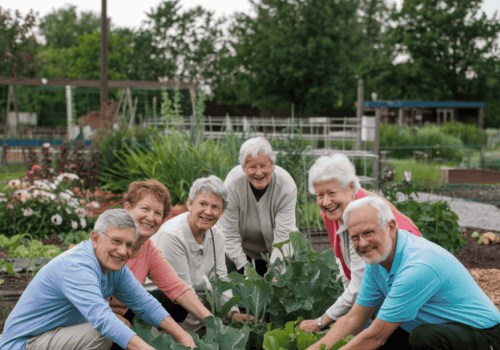
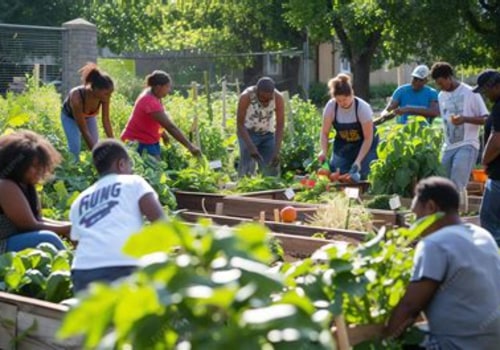
Community gardening is a collaborative effort where individuals come together to cultivate a shared piece of land, transforming it into a vibrant space filled with greenery and life. This practice not only fosters a sense of community but also serves as a powerful tool for beautifying neighborhoods. By engaging local residents in the process of planting, maintaining, and harvesting, community gardens create an environment that encourages social interaction and strengthens community bonds. The benefits of community gardening extend far beyond aesthetics. These gardens provide fresh produce, promote sustainable practices, and offer educational opportunities for all ages.
They can transform vacant lots or underutilized spaces into lush landscapes that attract both residents and visitors alike. As people work together to nurture their gardens, they also cultivate a sense of pride in their neighborhood, which can lead to further improvements in the area. In essence, community gardening is more than just planting flowers or vegetables; it is about creating a shared vision for a better living environment. By understanding the definition and significance of community gardening, we can appreciate how these green spaces contribute to the overall beauty and vitality of our neighborhoods. As we delve deeper into this topic, we will explore the various ways in which community gardens enhance local aesthetics and foster a sense of belonging among residents.
The Aesthetic Benefits of Community Gardens
Community gardening plays a pivotal role in enhancing the visual appeal of neighborhoods, transforming previously neglected spaces into vibrant hubs of activity and beauty.By introducing a variety of plants, flowers, and organized layouts, these gardens not only provide fresh produce but also contribute significantly to the overall aesthetics of the area.One of the most immediate benefits of community gardens is the introduction of color. Brightly colored flowers and lush green plants create a striking contrast against urban landscapes, which are often dominated by concrete and asphalt. This infusion of color can uplift the spirits of residents and passersby alike, making the neighborhood feel more inviting and alive.Moreover, community gardens foster a sense of organization within a neighborhood. Well-maintained gardens can serve as focal points that draw attention and encourage community interaction.
They often feature pathways, seating areas, and decorative elements that enhance their charm. This organized approach not only beautifies the space but also promotes a sense of pride among community members.
- Increased Greenery: The presence of plants and trees helps to soften hard edges in urban environments, creating a more harmonious balance between nature and architecture.
- Wildlife Habitat: Community gardens can attract beneficial wildlife, such as butterflies and birds, adding to the liveliness and ecological diversity of the area.
- Seasonal Changes: As seasons change, so do the gardens. This dynamic aspect keeps the visual interest alive throughout the year, with different blooms and harvests marking each season.
Community Engagement and Social Cohesion
Community gardens serve as vibrant hubs for community engagement, bringing together individuals from diverse backgrounds to collaborate and cultivate not just plants, but also relationships.These gardens create a shared space where neighbors can interact, exchange ideas, and work towards common goals, fostering a sense of belonging and ownership.One of the most significant social benefits of gardening is the opportunity it provides for people to connect. As residents come together to plant, tend, and harvest, they engage in meaningful conversations that can lead to lasting friendships. This interaction helps break down barriers and encourages inclusivity, making community gardens a melting pot of cultures and experiences.
- Strengthening Bonds: Regular gardening activities promote teamwork and collaboration, which are essential for building strong community ties.
- Educational Opportunities: Workshops and events hosted in community gardens can educate participants about sustainable practices, nutrition, and environmental stewardship, further enhancing community knowledge.
- Celebrating Diversity: Community gardens often reflect the cultural diversity of the neighborhood, with various plants representing different heritages. This celebration of diversity enriches the community fabric.
The vibrant colors of blooming flowers and the lush greenery attract not only residents but also visitors, creating a welcoming atmosphere. This transformation can inspire pride among residents, encouraging them to take care of their surroundings beyond the garden itself.In essence, community gardening is more than just an agricultural endeavor; it is a powerful tool for building community. By fostering social interactions and strengthening bonds among neighbors, these gardens play a crucial role in enhancing the aesthetic appeal of neighborhoods while nurturing a sense of community spirit.
Environmental Impact of Community Gardens
Community gardening plays a pivotal role in enhancing the environmental quality of urban areas. By transforming vacant lots and underutilized spaces into vibrant green areas, these gardens contribute significantly to the local ecosystem.Improving Air Quality
- Plants in community gardens act as natural air filters, absorbing carbon dioxide and releasing oxygen.
This process not only improves air quality but also helps mitigate the effects of urban pollution.
- Additionally, gardens can reduce the urban heat island effect by providing shade and cooling the surrounding environment, which is particularly beneficial in densely populated areas.
Supporting Local Wildlife
- Community gardens serve as essential habitats for various species, including pollinators like bees and butterflies. By planting a diverse range of flowers and plants, gardeners can create a sanctuary that supports local biodiversity.
- These green spaces also attract birds and beneficial insects, which contribute to a balanced ecosystem and promote natural pest control.
Sustainability in Gardening
- Community gardens often emphasize sustainable practices such as composting, organic gardening, and water conservation. These methods not only enhance soil health but also reduce waste and promote responsible resource use.
- By educating community members about sustainable gardening techniques, these initiatives foster a culture of environmental stewardship that extends beyond the garden itself.
Case Studies: Successful Community Gardens Transforming Neighborhoods
Community gardens have emerged as powerful catalysts for neighborhood transformation, showcasing how collective efforts can lead to significant improvements in urban environments.Here are a few notable case studies that illustrate the profound impact of community gardening on local communities.
1.The Incredible Edible Project, Todmorden, UK
This pioneering initiative began in 2008 when residents of Todmorden decided to transform their town into a food-producing landscape. By planting edible plants in public spaces, they not only beautified the area but also fostered a sense of community ownership and pride. The project has inspired similar movements worldwide, demonstrating how community gardening can enhance local aesthetics while promoting sustainability.2.The Green Thumb Community Garden, New York City, USA
Located in Manhattan’s East Village, the Green Thumb Community Garden has been a staple of the neighborhood since the 1970s. This garden has transformed a once-neglected lot into a vibrant green space filled with flowers, vegetables, and community events.It serves as a gathering place for residents and has significantly reduced crime rates in the area, proving that successful community gardens can lead to safer and more inviting neighborhoods.
3.The 14th Street Community Garden, San Francisco, USA
This garden is a prime example of how community gardening can revitalize urban spaces. Established in 1994, it has become a lush oasis amidst the concrete jungle of San Francisco. The garden not only provides fresh produce but also hosts workshops and events that engage the community. Its success has inspired other neighborhoods to create similar gardens, highlighting the potential for neighborhood transformation through gardening.These case studies exemplify how community gardens can serve as more than just green spaces; they are vital components of community identity and cohesion.By bringing people together and enhancing their surroundings, these gardens play a crucial role in fostering vibrant neighborhoods.
Challenges and Solutions in Community Gardening
Community gardening can significantly enhance the aesthetic appeal of a neighborhood, but it is not without its challenges. Understanding these obstacles and implementing effective solutions is essential for the success and sustainability of these green spaces.Common Challenges in Community Gardening- Limited Space: Many urban areas have restricted land availability, making it difficult to establish community gardens.
- Soil Quality: Contaminated or poor-quality soil can hinder plant growth and pose health risks.
- Community Engagement: Ensuring consistent participation from community members can be challenging, leading to uneven maintenance and care.
- Funding and Resources: Securing financial support and necessary gardening tools can be a significant hurdle for many community gardens.
- Utilize Vertical Gardening: To maximize limited space, consider vertical gardening techniques. This approach allows for more plants in smaller areas, enhancing both beauty and productivity.
- Soil Remediation: Conduct soil tests and implement remediation strategies, such as raised beds filled with clean soil, to ensure a safe growing environment.
- Foster Community Involvement: Organize regular events, workshops, and meetings to engage community members. Creating a sense of ownership can lead to increased participation and care for the garden.
- Seek Grants and Donations: Research local grants or crowdfunding options to secure funding.
Partnering with local businesses for donations of materials or tools can also alleviate financial burdens.
How to Start a Community Garden in Your Neighborhood
Starting a community garden in your neighborhood can be a rewarding endeavor that not only beautifies the area but also fosters community spirit. Here’s a step-by-step guide to help you initiate this green project.- Gather Interest: Begin by talking to your neighbors and gauging interest in a community garden. You can host an informal meeting or create a social media group to discuss ideas and gather support.
- Form a Planning Committee: Once you have enough interest, form a committee of dedicated individuals who are willing to take on various roles, such as organizing meetings, managing funds, and overseeing garden maintenance.
- Choose a Location: Identify potential sites for the garden. Look for vacant lots, parks, or other public spaces that receive adequate sunlight and have access to water.
Ensure the location is easily accessible for all community members.
- Check Local Regulations: Before proceeding, check with local authorities about zoning laws and regulations regarding community gardens. You may need to obtain permits or permissions to use the land.
- Create a Garden Plan: Develop a detailed plan that outlines the layout of the garden, types of plants to grow, and how the space will be maintained. Consider including native plants that require less water and care.
- Fundraising: Determine how much funding you will need for tools, seeds, soil, and other materials. Organize fundraising events or apply for grants to support your project.
- Prepare the Site: Once you have secured funding and permissions, prepare the site by clearing debris, tilling the soil, and setting up any necessary infrastructure like fences or pathways.
- Planting Day: Organize a planting day where community members can come together to plant seeds and seedlings.
This event can serve as a great way to build camaraderie among participants.
- Establish Maintenance Routines: Create a schedule for watering, weeding, and harvesting. Encourage community members to take turns caring for the garden to ensure its sustainability.
FAQs About Community Gardening and Neighborhood Beautification
Community gardening is a growing trend that not only promotes sustainable practices but also enhances the aesthetic appeal of neighborhoods. Here are some frequently asked questions about community gardening and its role in beautifying local areas:- What is community gardening? Community gardening involves a group of people coming together to cultivate a shared piece of land.
This can include growing flowers, vegetables, and herbs, which contribute to the overall beauty of the neighborhood.
- How does community gardening improve neighborhood aesthetics? By transforming vacant lots or underutilized spaces into vibrant gardens, community gardening adds color and life to the environment. These gardens can serve as focal points, attracting both residents and visitors.
- Can community gardens increase property values? Yes, studies have shown that neighborhoods with well-maintained community gardens often see an increase in property values. The presence of greenery and organized spaces can make an area more desirable.
- What types of plants are best for community gardens? A mix of native plants, flowers, and edible crops is ideal. Native plants require less maintenance and provide habitat for local wildlife, while flowers add visual appeal and attract pollinators.
- How can I get involved in a community garden? Look for local gardening groups or organizations that manage community gardens.
Many cities have resources available online where you can find existing gardens or start your own.