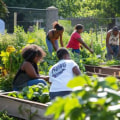
Community gardening is a collaborative effort where individuals come together to cultivate a shared piece of land, transforming it into a vibrant space for growing fruits, vegetables, and flowers. This practice not only fosters a sense of community but also promotes sustainable living and environmental stewardship. By participating in community gardening, individuals can connect with their neighbors, share resources, and learn from one another, creating a supportive network that extends beyond the garden itself. The benefits of community gardening are manifold. Firstly, it enhances food security by providing access to fresh produce, particularly in urban areas where grocery stores may be scarce.
Additionally, these gardens serve as educational platforms where participants can learn about horticulture, nutrition, and sustainable practices. The act of gardening itself can also be therapeutic, offering mental health benefits through physical activity and the calming effects of nature. Moreover, community gardens contribute to the beautification of neighborhoods, turning vacant lots into lush green spaces that attract wildlife and improve air quality. They can also serve as venues for community events, workshops, and social gatherings, further strengthening community ties. In essence, community gardening is not just about growing plants; it’s about cultivating relationships and fostering a sense of belonging among diverse groups of people.
Building a Strong Community Garden Team
Creating a successful community garden relies heavily on the strength and dedication of its team.A well-organized team not only enhances productivity but also fosters a sense of belonging among members. Here are some key roles and responsibilities that can help build a strong community garden team:
- Garden Coordinator: This person acts as the primary point of contact for the garden. They organize meetings, manage schedules, and ensure that everyone is informed about upcoming events and tasks.
- Volunteer Coordinator: Responsible for recruiting and managing volunteers, this role is crucial for maintaining a steady flow of help. They can also organize training sessions to educate new members about gardening techniques.
- Finance Manager: Keeping track of the budget, fundraising efforts, and expenses is essential for sustainability.
A finance manager can help secure grants or donations to support the garden's needs.
- Communications Officer: This role involves promoting the garden through social media, newsletters, and local events. Effective communication helps attract new members and keeps current ones engaged.
- Garden Maintenance Team: A dedicated group responsible for daily upkeep, including watering, weeding, and harvesting. Regular maintenance ensures that the garden remains productive and visually appealing.
Encouraging open communication allows everyone to voice their opinions and contribute to decision-making processes. Moreover, organizing social events such as potlucks or workshops can strengthen bonds among team members. These gatherings provide opportunities for learning and sharing experiences, which can enhance both gardening skills and community spirit. In conclusion, a dedicated community garden team with clearly defined roles fosters collaboration and productivity. By working together effectively, members can create a thriving garden that benefits everyone involved.
Choosing the Right Location for Your Garden
When it comes to community gardening, selecting the right location is crucial for the success of your garden. Here are some key factors to consider:- Sunlight: Most vegetables and flowers require at least 6-8 hours of direct sunlight each day.
Observe the area throughout the day to identify spots that receive adequate sunlight, avoiding shaded areas from trees or buildings.
- Soil Quality: Conduct a soil test to determine pH levels and nutrient content. Healthy soil is essential for plant growth. If the soil is poor, consider raised beds or amending it with organic matter.
- Accessibility: Choose a location that is easily accessible for all community members. Consider pathways for wheelchairs and strollers, and ensure that the site is close to public transportation or parking.
- Water Supply: Proximity to a reliable water source is vital.
Check if there are existing hoses or spigots nearby, or plan for a rainwater collection system.
- Community Engagement: The site should be in a location that encourages participation. A visible and inviting space can attract more volunteers and foster community spirit.
Planning Your Garden Layout and Design
When it comes to community gardening, a well-thought-out garden layout and design can significantly enhance both productivity and aesthetics. Here are some effective tips for planning your garden layout:- Assess the Space: Begin by evaluating the available space.
Consider factors such as sunlight, soil quality, and water access. This assessment will help you determine which plants will thrive in your community garden.
- Define Garden Zones: Divide your garden into zones based on plant types or growth requirements. For instance, you might have a section for vegetables, another for herbs, and a flower area. This organization not only maximizes space but also simplifies maintenance.
- Utilize Vertical Space: Incorporate vertical gardening techniques to make the most of limited ground space.
Use trellises, hanging pots, or wall planters to grow climbing plants like beans or cucumbers.
- Plan for Accessibility: Ensure that pathways are wide enough for easy access and maintenance. Consider using materials like gravel or mulch to create clear paths that are both functional and visually appealing.
- Incorporate Aesthetics: A community garden should be inviting. Use colorful plants, decorative borders, and seating areas to create a welcoming atmosphere. This not only enhances the visual appeal but also encourages community interaction.
- Rotate Crops: Plan for crop rotation to maintain soil health and reduce pest issues.
By rotating different plant families each season, you can improve soil fertility and minimize disease risks.
Soil Preparation and Plant Selection
Successful community gardening begins with understanding the significance of soil health. Healthy soil is the foundation for robust plant growth, and proper preparation is essential for a thriving garden. Here are some tips for preparing your soil:- Test Your Soil: Before planting, conduct a soil test to determine pH levels and nutrient content.
This will help you understand what amendments are necessary.
- Add Organic Matter: Incorporate compost or well-rotted manure to improve soil structure, enhance fertility, and promote beneficial microbial activity.
- Till the Soil: Loosen the soil by tilling or turning it over. This aerates the soil and helps mix in organic matter.
- Mulch: After planting, apply a layer of mulch to retain moisture, suppress weeds, and gradually enrich the soil as it breaks down.
- Climate Compatibility: Choose plants that thrive in your local climate. Research native species that are well-adapted to your region's conditions.
- Community Preferences: Engage with fellow gardeners to understand their preferences.
Growing vegetables, herbs, or flowers that everyone enjoys can foster community spirit.
- Diversity: Incorporate a variety of plants to promote biodiversity. This can help prevent pest outbreaks and improve overall garden resilience.
Sustainable Gardening Practices
Implementing sustainable gardening practices in community gardens not only enhances the health of the environment but also fosters a sense of community among gardeners. Here are some effective tips to promote eco-friendly gardening:- Compost Organic Waste: Create a composting system to recycle kitchen scraps and garden waste. This enriches the soil, reduces landfill waste, and promotes healthy plant growth.
- Use Native Plants: Incorporate native plants into your garden.
They require less water and maintenance, support local wildlife, and are more resilient to local pests and diseases.
- Practice Crop Rotation: Rotate crops each season to prevent soil depletion and reduce pest buildup. This practice helps maintain soil fertility and encourages biodiversity.
- Implement Water Conservation Techniques: Use rain barrels to collect rainwater for irrigation. Drip irrigation systems can also minimize water waste by delivering moisture directly to the plant roots.
- Avoid Chemical Pesticides: Opt for natural pest control methods, such as introducing beneficial insects or using organic sprays. This protects the ecosystem and promotes a healthier garden environment.
Sharing knowledge about sustainable methods can empower more gardeners to adopt eco-friendly practices, ultimately leading to a thriving community garden that benefits both its members and the environment.By prioritizing sustainability in your community garden, you not only contribute to environmental health but also create a model for others to follow, inspiring a broader movement towards responsible gardening.
Engaging the Community: Events and Workshops
Engaging the local community is essential for the success of any community gardening initiative. One effective way to foster participation and enthusiasm is by organizing events and workshops that cater to both novice and experienced gardeners.Community Gardening Events
- Planting Days: Host regular planting days where community members can come together to plant seeds, seedlings, or bulbs. This not only beautifies the garden but also creates a sense of ownership among participants.
- Harvest Festivals: Celebrate the fruits of your labor with a harvest festival. This event can include food tastings, cooking demonstrations, and even contests for the best produce, encouraging community members to showcase their gardening skills.
- Garden Tours: Organize tours of the garden to invite local residents to see what’s growing.
This can spark interest in gardening and inspire others to join the community effort.
Workshops for Gardeners
- Skill-Building Workshops: Offer workshops on various gardening techniques such as composting, pest management, or organic gardening. These sessions can empower participants with knowledge and practical skills.
- Family-Friendly Activities: Create workshops designed for families, such as making birdhouses or planting pollinator gardens. Engaging children in gardening fosters a love for nature and sustainability from a young age.
- Cultural Exchange Events: Encourage diversity by hosting events that celebrate different cultural approaches to gardening. This can include cooking classes featuring traditional recipes using garden produce.
Remember, the more inclusive and interactive your events are, the more likely you are to cultivate a thriving community garden.
Maintaining Your Community Garden Year-Round
Maintaining a community garden year-round requires dedication and a proactive approach to address the unique challenges each season brings. Here are some essential tips to keep your garden thriving throughout the year.Spring: Preparing for Growth
As the weather warms, it’s time to prepare your garden for planting. Start by:- Clearing debris: Remove any dead plants, weeds, and leftover materials from the previous season.
- Soil testing: Conduct a soil test to determine nutrient levels and pH, allowing you to amend the soil accordingly.
- Planning your layout: Decide which plants to grow based on sunlight, space, and companion planting principles.
Summer: Ongoing Care
During the summer months, focus on maintaining plant health and managing resources:- Regular watering: Ensure consistent moisture, especially during dry spells. Consider using drip irrigation to conserve water.
- Pest management: Monitor for pests and diseases.
Use organic methods like neem oil or insecticidal soap to protect your plants.
- Weeding: Regularly remove weeds that compete for nutrients and water.
Fall: Harvesting and Preparing for Winter
As harvest time approaches, it’s crucial to prepare your garden for the colder months:- Harvest promptly: Gather ripe produce regularly to encourage further growth and prevent spoilage.
- Plant cover crops: Consider sowing cover crops like clover or rye to improve soil health over winter.
- Clean up: Remove any dead plants and debris to prevent pests and diseases from overwintering.
Winter: Planning Ahead
Even in winter, there are steps you can take to ensure a successful garden in the spring:- Plan for next season: Use this time to research new plants, design layouts, and gather resources.
- Maintain tools: Clean and sharpen gardening tools to ensure they’re ready for use when spring arrives.
- Engage the community: Organize winter meetings or workshops to keep community members involved and excited about the upcoming gardening season.
Overcoming Challenges in Community Gardening
Community gardening can be a rewarding endeavor, but it often comes with its own set of challenges. Understanding these common issues and having strategies to address them is crucial for the success of any community garden.- Conflict Among Members: Disagreements can arise over garden management, plot assignments, or resource allocation. To mitigate this, establish clear guidelines and encourage open communication. Regular meetings can help ensure everyone’s voice is heard and foster a sense of community.
- Pest Management: Pests can quickly become a significant issue in community gardens.
Implementing organic pest control methods, such as introducing beneficial insects or using natural repellents, can help maintain a healthy garden ecosystem. Educating members about integrated pest management techniques can also empower them to take proactive measures.
- Soil Quality: Poor soil can hinder plant growth and yield. Conducting regular soil tests and amending the soil with organic matter, such as compost, can improve its quality. Encourage members to share resources and knowledge about soil health to create a more productive environment.
- Water Access: Inadequate water supply can be a major hurdle, especially during dry spells.
Consider installing rainwater harvesting systems or drip irrigation to ensure consistent watering. Additionally, educating members on water conservation techniques can help manage this resource effectively.
- Seasonal Changes: Weather conditions can impact gardening activities. Planning for seasonal changes by selecting appropriate crops and implementing protective measures, such as row covers or greenhouses, can help mitigate these effects. Encourage flexibility in planting schedules to adapt to changing conditions.
Conclusion: Cultivating Success in Community Gardening
In conclusion, maintaining a successful community garden requires a blend of teamwork, careful planning, and a commitment to sustainability.By fostering a sense of community among participants, gardens can thrive not just in terms of plant growth but also in building lasting relationships. One of the key takeaways is the importance of collaboration. Engaging all members in decision-making processes ensures that everyone feels valued and invested in the garden's success. Regular meetings can help facilitate communication, allowing for the sharing of ideas and addressing any challenges that may arise. Additionally, planning is crucial. Establishing a clear layout and schedule for planting, maintenance, and harvesting can prevent confusion and ensure that all tasks are completed efficiently.
Utilizing tools like calendars or shared online platforms can help keep everyone on the same page. Sustainability should also be at the forefront of every community garden initiative. Implementing practices such as composting, rainwater harvesting, and organic gardening not only benefits the environment but also educates participants about responsible gardening techniques. Finally, fostering engagement through events and workshops can enhance the community spirit. Organizing seasonal celebrations or educational sessions can attract new members and keep current ones motivated. By creating an inviting atmosphere, community gardens can become vibrant hubs of activity that promote not only gardening but also social interaction. Ultimately, the success of a community garden lies in its ability to adapt and grow alongside its members.
By prioritizing teamwork, planning, sustainability, and engagement, communities can cultivate not just plants but also a strong sense of belonging.