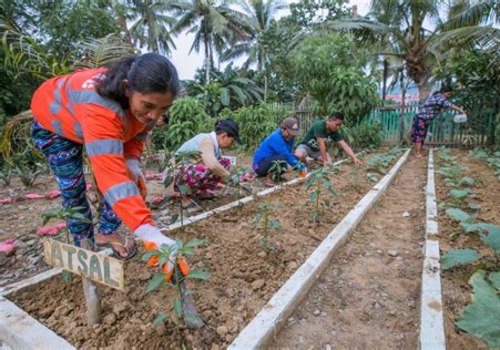
Community gardening is a collaborative effort where individuals come together to cultivate a shared piece of land, transforming it into a vibrant space for growing fruits, vegetables, and flowers. This practice not only fosters a sense of community but also serves as a powerful tool for promoting sustainable living practices. By engaging in community gardening, participants learn about the importance of local food production, biodiversity, and environmental stewardship. The benefits of community gardening extend far beyond the physical act of planting seeds. These gardens create opportunities for education and skill-sharing, allowing individuals to gain knowledge about organic farming techniques, composting, and water conservation.
Moreover, they encourage social interaction and strengthen community bonds, as people from diverse backgrounds come together with a common goal. This collective effort can lead to increased awareness of sustainability issues and inspire participants to adopt more eco-friendly practices in their daily lives. In essence, community gardening is not just about growing food; it embodies a lifestyle that prioritizes sustainability and environmental responsibility. As we delve deeper into the various ways these gardens can promote sustainable living practices, it becomes clear that they are vital components of resilient communities. By understanding the definition and significance of community gardening, we can appreciate its role in fostering a greener future.
The Role of Community Gardens in Sustainable Living
Community gardens serve as vital hubs for promoting sustainable living practices within urban and rural settings.By transforming vacant lots into productive green spaces, these gardens not only enhance local food production but also foster a sense of community and environmental stewardship.
Food Production
: One of the most significant impacts of community gardening is its ability to provide fresh, organic produce to local residents. This reduces reliance on industrial agriculture, which often involves long transportation routes and high carbon emissions. By growing food locally, community gardens contribute to food security and encourage healthier eating habits.Biodiversity
: Community gardens also play a crucial role in promoting biodiversity. They create habitats for various species, including pollinators like bees and butterflies, which are essential for healthy ecosystems.By incorporating a variety of plants, gardeners can support local wildlife and contribute to the overall health of the environment.
Environmental Education
: Beyond food production and biodiversity, community gardens serve as educational platforms where individuals can learn about sustainable practices. Workshops on composting, organic gardening, and water conservation are often held in these spaces, empowering participants with knowledge that they can apply in their own lives. This hands-on experience fosters a deeper understanding of ecological principles and encourages participants to adopt more sustainable habits.In summary, community gardens are more than just places to grow food; they are essential components of a sustainable future. By enhancing local food systems, promoting biodiversity, and providing educational opportunities, these gardens help cultivate a culture of sustainability that benefits both individuals and the broader community.Environmental Benefits of Community Gardening
Community gardening offers a multitude of environmental benefits that contribute significantly to sustainable living practices.By transforming vacant lots and underutilized spaces into vibrant green areas, these gardens play a crucial role in enhancing urban ecology.
Improving Air Quality
- Plants in community gardens act as natural air filters, absorbing pollutants and releasing oxygen. This process helps to improve air quality, making urban environments healthier for residents.
- Increased greenery can also mitigate the effects of urban smog, leading to cleaner air and a reduction in respiratory issues among the population.
Reducing Urban Heat
- Community gardens contribute to the reduction of urban heat islands, which are areas that experience significantly higher temperatures than their rural surroundings due to human activities.
- The presence of vegetation helps cool the air through the process of evapotranspiration, thereby lowering surrounding temperatures and creating more comfortable microclimates.
Promoting Biodiversity
- These gardens serve as vital habitats for various species, including pollinators like bees and butterflies. By fostering biodiversity, community gardens help maintain ecological balance.
- They also provide a refuge for birds and other wildlife, contributing to the overall health of urban ecosystems.
By participating in community gardening, individuals become more aware of their ecological footprint and are inspired to adopt more sustainable practices in their daily lives.
Social Impact of Community Gardens on Local Communities
Community gardens serve as vital hubs for social interaction and community engagement, fostering connections among residents that might not otherwise occur. These gardens create a shared space where individuals from diverse backgrounds can come together, collaborate, and cultivate not only plants but also relationships.Social Benefits of Community Gardens
- Building Relationships: Community gardens encourage neighbors to meet and work alongside each other, breaking down social barriers and fostering friendships.
- Enhancing Mental Well-being: Engaging in gardening activities has been shown to reduce stress and improve mental health, providing a therapeutic outlet for community members.
- Promoting Inclusivity: These gardens often welcome people of all ages, abilities, and backgrounds, creating an inclusive environment that celebrates diversity.
Community Engagement Through Gardening
Participating in community gardening initiatives allows residents to take an active role in their local environment. This involvement can lead to:
- Skill Development: Gardeners learn valuable skills such as planting, harvesting, and sustainable practices, which they can share with others.
- Increased Civic Participation: As individuals become more invested in their community garden, they may also become more engaged in local governance and initiatives.
Community Building and Sustainability
The act of gardening itself promotes sustainability by encouraging local food production and reducing reliance on store-bought goods. Furthermore, community gardens often serve as educational platforms where residents can learn about sustainable practices such as composting and organic gardening.
This knowledge not only benefits the garden but also empowers individuals to adopt more sustainable living practices at home.In conclusion, community gardens are more than just plots of land; they are essential tools for fostering sustainable living, enhancing social ties, and building resilient communities. By nurturing both plants and relationships, these gardens contribute significantly to the overall well-being of local neighborhoods.
Educational Opportunities Offered by Community Gardens
Community gardens are not just spaces for growing food; they are vibrant educational platforms that foster a deeper understanding of sustainable living practices. These gardens provide hands-on experiences that engage individuals of all ages, making learning about sustainability both practical and enjoyable.Workshops and Classes
- Many community gardens host workshops that cover a variety of topics, from organic gardening techniques to composting and water conservation.
- These workshops often invite local experts to share their knowledge, allowing participants to learn directly from those with experience in sustainable practices.
- Classes can be tailored for different age groups, ensuring that children, teens, and adults all have the opportunity to engage with the material in a way that resonates with them.
Hands-On Learning
The hands-on nature of community gardening allows participants to:
- Experiment with different planting techniques and observe the results firsthand.
- Understand the importance of biodiversity by planting a variety of crops and learning about their interdependence.
- Practice sustainable practices such as crop rotation, companion planting, and organic pest management.
Community Engagement
In addition to individual learning, community gardens foster a sense of community engagement. Participants often collaborate on projects, share resources, and exchange knowledge.
This collective effort not only enhances the educational experience but also strengthens community bonds. By working together, individuals can:
- Share their successes and challenges in sustainable gardening.
- Create a supportive network that encourages ongoing learning and experimentation.
- Promote awareness of local environmental issues and solutions through group discussions and activities.
Challenges Faced by Community Gardens in Promoting Sustainability
While community gardening offers numerous benefits for promoting sustainable living practices, it is not without its challenges. Understanding these obstacles is crucial for enhancing the effectiveness of community gardens in fostering sustainability.- Funding Issues: One of the primary barriers to successful community gardening is securing adequate funding.
Many gardens rely on grants, donations, or local government support, which can be inconsistent. Without stable financial resources, gardens may struggle to purchase necessary supplies, maintain infrastructure, or expand their programs.
- Land Access: Access to suitable land is another significant challenge. In urban areas, available land may be limited or prohibitively expensive. Additionally, zoning laws and land use regulations can restrict the establishment of community gardens, making it difficult for communities to find appropriate spaces for gardening.
- Maintenance and Management: Community gardens require ongoing maintenance and management to thrive.
This includes regular watering, weeding, and harvesting. However, volunteer burnout can occur when individuals feel overwhelmed by the responsibilities. Establishing a clear management structure and encouraging community involvement are essential to mitigate this issue.
- Community Engagement: Engaging the local community is vital for the success of a garden. However, differing interests and levels of commitment among participants can lead to conflicts or a lack of cohesion.
Effective communication and inclusive decision-making processes are necessary to foster a sense of ownership and collaboration among gardeners.
Successful Case Studies of Community Gardens Promoting Sustainability
Community gardens have emerged as powerful tools for promoting sustainable living practices, with numerous successful case studies demonstrating their impact. These gardens not only provide fresh produce but also foster community engagement and environmental stewardship.1.The Incredible Edible Project in Todmorden, UK
This pioneering initiative transformed the town of Todmorden into a vibrant food-producing community. By encouraging residents to plant edible crops in public spaces, the project has significantly increased local food production while promoting awareness about sustainable agriculture.
The community's commitment to sharing knowledge and resources has led to a 50% increase in local food consumption.
2.The Beacon Hill Community Garden in Seattle, WA
Located in an urban setting, the Beacon Hill Community Garden serves as a model for integrating sustainability into city life. This garden emphasizes organic gardening practices and biodiversity, showcasing native plants alongside traditional vegetables. The garden hosts workshops on composting and water conservation, empowering residents to adopt sustainable practices at home.
3.The South Central Farm in Los Angeles, CA
Once the largest urban farm in the U.S., the South Central Farm was a beacon of hope for food justice and sustainability. Although it faced challenges, its legacy continues through community-led initiatives that promote urban agriculture and environmental education.
The farm's impact stories highlight how community gardening can address food deserts and foster resilience among marginalized populations.
4.The GreenThumb Program in New York City
This city-sponsored initiative supports over 600 community gardens across NYC, focusing on sustainability and community empowerment. Through workshops on organic gardening, composting, and rainwater harvesting, GreenThumb has cultivated a network of engaged citizens committed to sustainable living practices. Many gardens have also implemented solar energy solutions, further reducing their carbon footprint.These case studies illustrate that community gardening is more than just growing food; it is about building resilient communities that prioritize sustainability. By sharing resources, knowledge, and experiences, these gardens inspire others to adopt similar practices, creating a ripple effect that extends far beyond their borders.
How to Start a Community Garden Focused on Sustainability
Starting a community garden focused on sustainability is a rewarding endeavor that not only beautifies your neighborhood but also fosters a sense of community and promotes eco-friendly practices.Here are some practical steps to help you get started:
- Gather Community Interest: Begin by organizing a meeting with local residents to gauge interest in creating a community garden. Use social media, flyers, and word of mouth to attract participants.
- Choose a Suitable Location: Look for available land that receives ample sunlight, has good soil drainage, and is accessible to all community members. Consider partnering with local schools, parks, or churches that may have unused land.
- Form a Garden Committee: Establish a group of dedicated volunteers who will oversee the garden's development and maintenance. This committee can help with planning, organizing workdays, and managing resources.
- Plan Your Garden Layout: Design the garden with sustainability in mind.
Incorporate raised beds, native plants, and companion planting techniques to enhance biodiversity and reduce pests naturally.
- Implement Sustainable Practices: Use organic gardening methods such as composting kitchen scraps, utilizing rainwater harvesting systems, and planting cover crops to enrich the soil. Encourage members to share resources like tools and seeds to minimize waste.
- Educate the Community: Host workshops on sustainable gardening practices, such as permaculture principles or organic pest control. This not only empowers participants but also strengthens community bonds.
- Celebrate Your Success: Organize seasonal events like harvest festivals or potlucks to celebrate the fruits of your labor. This fosters a sense of ownership and encourages ongoing participation in the garden.
Remember, the key is collaboration and education—working together will not only yield fresh produce but also cultivate lasting relationships within your community.
FAQs About Community Gardening and Sustainability
Community gardening is a powerful tool for promoting sustainable living practices, yet many people have questions and misconceptions about its impact. Here are some frequently asked questions that can help clarify the role of community gardens in sustainability.What are the environmental benefits of community gardening?
Community gardens contribute to environmental sustainability in several ways:- Improved biodiversity: By cultivating a variety of plants, community gardens support local ecosystems and attract beneficial insects.
- Soil health: Organic gardening practices used in community gardens enhance soil quality, reducing the need for chemical fertilizers.
- Carbon footprint reduction: Growing food locally minimizes transportation emissions, making it a more sustainable option compared to store-bought produce.
Can community gardens help with food security?
Yes, community gardens play a significant role in enhancing food security by:- Providing fresh produce: They offer access to healthy fruits and vegetables, especially in urban areas where grocery stores may be scarce.
- Encouraging self-sufficiency: Community members learn to grow their own food, which can reduce reliance on commercial food systems.
What are some common misconceptions about community gardening?
Despite their benefits, several misconceptions persist:- Community gardens are only for experienced gardeners: In reality, they welcome individuals of all skill levels and often provide educational resources.
- They require a lot of space: Many community gardens utilize small plots effectively, demonstrating that even limited space can yield significant results.
- Community gardening is just a trend: This practice has deep roots in many cultures and continues to evolve as a sustainable solution for urban living.