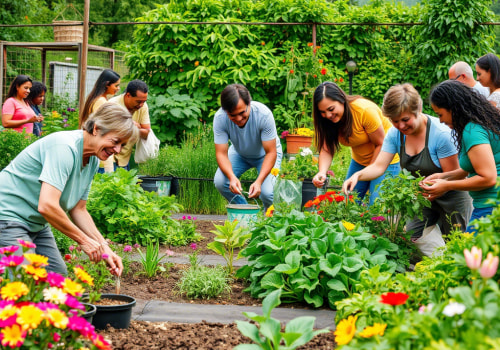
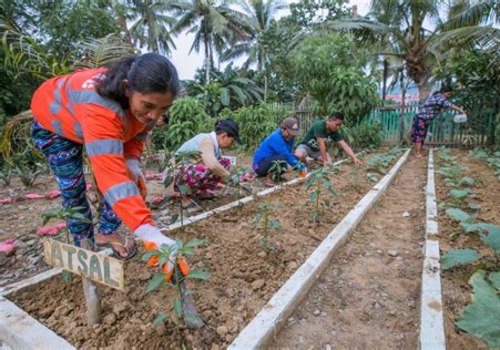
In recent years, community gardening has emerged as a powerful tool for promoting sustainability in urban and rural settings alike. These gardens, often cultivated by local residents, serve not only as sources of fresh produce but also as vital spaces for fostering community engagement and environmental stewardship. By transforming vacant lots and underutilized spaces into vibrant green areas, community gardens play a crucial role in enhancing local ecosystems while addressing food insecurity.The relevance of community gardening to sustainability extends beyond mere food production. These gardens encourage biodiversity by providing habitats for various species, including pollinators essential for plant reproduction.
Furthermore, they promote sustainable practices such as organic farming techniques and composting, which reduce waste and minimize the use of harmful chemicals. As participants learn about these practices, they become more aware of their environmental impact, fostering a culture of sustainability that can ripple through the community.Moreover, the social benefits of community gardens cannot be overlooked. They create a sense of belonging and ownership among residents, bridging gaps between diverse groups and encouraging collaboration. This social cohesion is vital for building resilient communities that can adapt to challenges such as climate change and economic fluctuations.
In essence, community gardening is not just about growing food; it is about cultivating relationships and nurturing a sustainable future.
Environmental Benefits of Community Gardens
Community gardens play a pivotal role in enhancing local ecosystems and promoting biodiversity. By transforming vacant lots and underutilized spaces into vibrant green areas, these gardens provide essential habitats for various species, including pollinators like bees and butterflies. This increase in biodiversity is crucial for maintaining healthy ecosystems, as it supports the natural processes that sustain plant and animal life.Moreover, community gardens contribute significantly to urban greening efforts. In densely populated areas, green spaces are often scarce, leading to a phenomenon known as the "urban heat island effect," where cities become significantly warmer than their rural surroundings.By introducing greenery into urban landscapes, community gardens help mitigate this effect, providing cooler microclimates that benefit both people and wildlife.Additionally, these gardens improve air quality by absorbing carbon dioxide and releasing oxygen. The plants in community gardens act as natural air filters, capturing dust, pollutants, and other harmful particles. This not only enhances the health of the local community but also contributes to broader environmental sustainability goals.Another important aspect of community gardening is its role in promoting sustainable practices. Many community gardens implement organic gardening techniques that avoid harmful pesticides and fertilizers, thereby reducing chemical runoff into local waterways.
This practice not only protects aquatic ecosystems but also ensures that the food grown is safe for consumption.In summary, community gardens are more than just places to grow food; they are vital components of urban ecosystems that enhance biodiversity, improve air quality, and contribute to sustainable urban greening initiatives. By fostering these green spaces, communities can take significant strides toward a more sustainable future.
Social Impact of Community Gardening
Community gardening serves as a powerful tool for enhancing social cohesion within neighborhoods. By bringing together individuals from diverse backgrounds, these gardens create a shared space where community members can collaborate, learn from one another, and build lasting relationships. This interaction fosters a sense of belonging and encourages active participation in local initiatives.One of the most significant social benefits of community gardens is their role in improving food security.Many urban areas face challenges related to access to fresh produce, often referred to as food deserts. Community gardens provide a sustainable solution by allowing residents to grow their own fruits and vegetables, thereby reducing reliance on store-bought goods. This not only enhances nutritional options but also empowers individuals to take control of their food sources.Moreover, community gardening promotes community engagement through various activities such as workshops, volunteer days, and harvest festivals. These events not only educate participants about sustainable practices but also strengthen community ties.
When people come together to work towards a common goal, they develop a deeper understanding of each other's needs and perspectives.
- Fostering Relationships: Community gardens encourage friendships and networks that extend beyond the garden itself.
- Educational Opportunities: They serve as platforms for teaching gardening skills, nutrition education, and environmental stewardship.
- Cultural Exchange: These spaces often reflect the cultural diversity of the community, allowing for the sharing of traditional gardening practices and recipes.
Economic Advantages of Community Gardens
Community gardens serve as a vital resource for local economies, offering numerous economic benefits that extend beyond the immediate neighborhood. By transforming vacant lots into productive spaces, these gardens not only beautify the area but also stimulate economic activity. One of the primary advantages of community gardening is its ability to support local economies.When community members grow their own food, they reduce their reliance on commercial grocery stores, which often source produce from distant locations. This shift not only keeps money within the community but also encourages the purchase of local goods and services, fostering a cycle of economic growth. Additionally, community gardens can create job opportunities. Many gardens require volunteers and paid staff for maintenance, education programs, and event organization. These roles can provide valuable experience for individuals seeking employment in agriculture, horticulture, or community development.
Furthermore, as these gardens flourish, they may attract local businesses such as farmers' markets or food co-ops, further enhancing job creation. Moreover, community gardens can lead to increased property values in surrounding areas. As neighborhoods become more vibrant and green, the demand for housing often rises, benefiting homeowners and local real estate markets alike. This increase in property value can result in higher tax revenues for local governments, which can then be reinvested into community services. In summary, the economic advantages of community gardens are multifaceted. They not only bolster local economies by keeping financial resources within the community but also create job opportunities and enhance property values.
By investing in community gardening initiatives, cities can cultivate both environmental sustainability and economic resilience.
Sustainable Practices in Community Gardening
Community gardening serves as a vital platform for implementing sustainable gardening practices that not only benefit the environment but also foster community engagement. By utilizing organic gardening techniques, community gardens can minimize the use of synthetic fertilizers and pesticides, promoting healthier soil and plants. This approach encourages biodiversity, as organic methods support a variety of beneficial insects and microorganisms essential for a thriving ecosystem.One of the key principles of sustainable community gardening is the adoption of permaculture. This holistic design system emphasizes working with nature rather than against it.By observing natural ecosystems, community gardeners can create self-sustaining environments that require minimal external inputs. For instance, implementing companion planting—where different plants are grown together to enhance growth and deter pests—can significantly reduce the need for chemical interventions.
- Soil Health: Community gardens often focus on building healthy soil through composting and mulching. These practices not only enrich the soil but also help retain moisture, reducing the need for frequent watering.
- Water Conservation: Many community gardens incorporate rainwater harvesting systems and drip irrigation to optimize water usage, ensuring that plants receive adequate hydration without wastage.
- Diversity in Planting: By cultivating a wide range of plants, community gardens can create resilient ecosystems that are less susceptible to disease and pests, further enhancing sustainability.
Challenges Facing Community Gardens and Solutions
Community gardens, while beneficial for promoting sustainability, often face a variety of challenges that can hinder their success.Understanding these obstacles is crucial for developing effective solutions.
- Land Access and Security: One of the primary challenges is securing land for community gardening. Many urban areas have limited available space, and existing land may be owned by private entities or subject to development.
- Funding and Resources: Community gardens often struggle with obtaining sufficient funding for tools, seeds, and maintenance. Without financial support, gardens may become neglected or fail to thrive.
- Community Engagement: Engaging the local community can be difficult. If residents do not feel a sense of ownership or connection to the garden, participation may dwindle.
- Pest Management and Soil Quality: Gardens can face issues with pests and poor soil quality, which can affect plant health and yield.
- Land Access Solutions: Form partnerships with local governments or organizations to secure land leases.
Additionally, advocating for community land trusts can help protect garden spaces from future development.
- Funding Strategies: Seek grants from local nonprofits or government programs dedicated to urban agriculture. Organizing fundraising events or establishing a membership fee can also provide necessary financial support.
- Community Engagement Initiatives: Host workshops and events that invite community members to participate in gardening activities. Creating a welcoming environment where everyone feels included can foster a sense of ownership.
- Pest Management Education: Implement organic pest management practices and educate gardeners on soil health through workshops. Collaborating with local agricultural extension services can provide valuable resources.
Case Studies: Successful Community Gardens Promoting Sustainability
Community gardens have emerged as powerful tools for promoting sustainability, with numerous successful examples demonstrating their impact.Here are a few notable case studies that highlight best practices in community gardening and their contributions to sustainable living.
1.The Incredible Edible Project, Todmorden, UK
This grassroots initiative transformed the town of Todmorden into a vibrant community garden hub. By planting edible plants in public spaces, the project encourages local residents to engage with their food sources while promoting biodiversity. The key to its success lies in community involvement and education, as workshops and events foster a sense of ownership and responsibility among participants.2.The Beacon Hill Community Garden, Seattle, WA
Located in an urban area, the Beacon Hill Community Garden serves as a model for integrating green spaces into city life. This garden not only provides fresh produce but also focuses on environmental education and social equity.By implementing composting programs and rainwater harvesting systems, the garden exemplifies sustainable practices that can be replicated in other urban settings.
3.The South Central Farm, Los Angeles, CA
Once the largest urban farm in the United States, the South Central Farm was a beacon of hope for food justice and community resilience. Although it faced challenges, its legacy continues to inspire new community gardens that prioritize local food production and environmental stewardship. The farm's emphasis on organic gardening practices and community engagement showcases how community gardening can address food insecurity while promoting sustainability.Best Practices for Sustainable Community Gardening
- Engagement: Involve local residents in decision-making processes to ensure the garden meets community needs.
- Diversity: Plant a variety of crops to promote biodiversity and resilience against pests.
- Education: Offer workshops on sustainable practices such as composting, permaculture, and organic gardening.
- Collaboration: Partner with local organizations to enhance resources and outreach efforts.
FAQs About Community Gardening and Sustainability
Community gardening is a powerful tool for promoting sustainability, yet many people have questions and misconceptions about its impact.Here are some frequently asked questions that can help clarify these points:
- What is community gardening? Community gardening involves a group of people coming together to cultivate a shared piece of land. This practice not only provides fresh produce but also fosters community spirit and environmental awareness.
- How does community gardening contribute to sustainability? By growing food locally, community gardens reduce the carbon footprint associated with transporting produce. They also promote biodiversity, improve soil health, and encourage the use of organic gardening practices.
- Can community gardens help with food insecurity? Yes! Community gardens can provide fresh fruits and vegetables to neighborhoods that may lack access to grocery stores, thereby addressing food deserts and improving overall nutrition.
- Are community gardens only for experienced gardeners? No, community gardens welcome individuals of all skill levels. Many gardens offer workshops and resources to help beginners learn about sustainable gardening practices.
- What are some common misconceptions about community gardens?
- They require a lot of space: Many community gardens operate in small plots or even vertical spaces, making them accessible in urban areas.
- They are only for growing vegetables: While vegetables are common, many community gardens also include flowers, herbs, and native plants that support local ecosystems.
- Community gardening is just a trend: In reality, it has deep roots in many cultures and continues to grow as a sustainable practice worldwide.
Conclusion: The Future of Community Gardens in Sustainable Development
In conclusion, community gardening stands as a vital component in the pursuit of sustainable development.Throughout this article, we have explored how these gardens not only enhance local food security but also foster community engagement and environmental stewardship. As urban areas continue to expand, the need for sustainable practices becomes increasingly urgent.
Community gardens
offer a practical solution by:- Reducing carbon footprints: By growing food locally, community gardens minimize the need for transportation, thereby lowering greenhouse gas emissions.
- Enhancing biodiversity: These gardens create habitats for various species, promoting ecological balance and resilience.
- Encouraging social cohesion: They serve as gathering spaces where individuals from diverse backgrounds can collaborate, share knowledge, and build relationships.
They are not just patches of green in urban landscapes; they are essential tools for building resilient communities and ensuring a healthier planet for future generations.