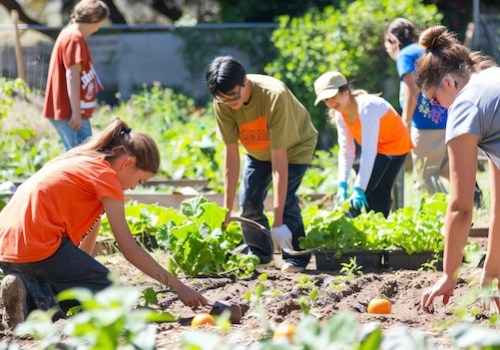
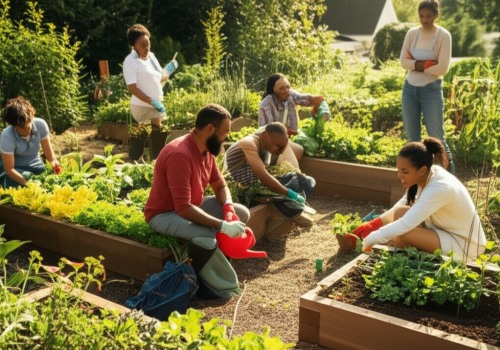
Community gardening serves as a vibrant microcosm of society, where individuals from diverse backgrounds come together to cultivate not just plants, but also relationships and shared experiences.
Inclusivity
and diversity in these gardens are not merely beneficial; they are essential for fostering a sense of belonging and community ownership. When people from various cultures, ages, and abilities participate in gardening, they bring unique perspectives and practices that enrich the gardening experience. This diversity can lead to innovative gardening techniques, a wider variety of plants, and a more resilient garden ecosystem. The importance of inclusivity in community gardening extends beyond the physical act of planting seeds.It creates an environment where everyone feels valued and empowered to contribute. By ensuring that all voices are heard—whether through planning meetings or collaborative projects—community gardens can reflect the needs and desires of the entire community. This participatory approach not only enhances the garden's productivity but also strengthens social ties among participants, fostering a deeper connection to the land and each other. Moreover, diverse gardens often yield a richer harvest, both literally and metaphorically. Different plants can attract various pollinators and beneficial insects, leading to healthier crops.
Additionally, when community members share their cultural heritage through gardening—such as growing traditional vegetables or herbs—it promotes cultural exchange and understanding. Ultimately, embracing diversity in community gardening cultivates not just a garden but a thriving community that celebrates its differences while working towards common goals.
Creating an Inclusive Community Garden Design
Designing a community garden that is both accessible and welcoming requires thoughtful planning and consideration of various factors. An inclusive garden design not only enhances the gardening experience but also fosters a sense of belonging among all community members.1.Accessibility Features
- Pathways: Ensure that pathways are wide enough to accommodate wheelchairs and strollers. Use stable materials like gravel or pavers to create smooth surfaces.
- Raised Beds: Incorporate raised garden beds at varying heights to allow individuals of all abilities to participate in gardening activities without strain.
- Seating Areas: Provide benches and seating options throughout the garden, ensuring they are accessible for those who may need to rest.
2.Cultural Representation
A community garden should reflect the diverse backgrounds of its members.
This can be achieved by:
- Plant Selection: Encourage members to grow plants that are culturally significant to them, which can include traditional herbs, vegetables, or flowers from their heritage.
- Garden Themes: Consider creating themed sections within the garden that celebrate different cultures, allowing for educational opportunities and cultural exchange.
3.Community Input
Engaging community members in the design process is crucial. Host workshops or meetings where individuals can share their ideas and preferences regarding the layout and features of the garden. This collaborative approach not only ensures that the garden meets the needs of its users but also strengthens community bonds.By prioritizing accessibility, embracing cultural diversity, and involving community members in the design process, a community garden can become a vibrant space that truly represents and serves everyone in the neighborhood.
Engaging Diverse Community Members
Engaging a diverse range of community members in community gardening is essential for fostering inclusivity and ensuring that the garden reflects the needs and interests of the entire community. Here are some effective strategies to enhance community engagement:- Conduct Surveys and Focus Groups: Start by gathering input from potential gardeners through surveys or focus groups.
This allows you to understand their interests, gardening experience, and any barriers they may face in participating.
- Partner with Local Organizations: Collaborate with local schools, cultural organizations, and non-profits that serve diverse populations. These partnerships can help you reach underrepresented groups and provide resources for outreach.
- Host Inclusive Events: Organize events that cater to various cultural backgrounds, such as cooking demonstrations featuring traditional recipes using garden produce or workshops on culturally significant plants. This not only attracts diverse participants but also educates the community about different gardening practices.
- Create Multilingual Materials: Ensure that all promotional materials, including flyers and social media posts, are available in multiple languages. This will help non-English speakers feel more welcome and informed about the opportunities available in the garden.
- Offer Flexible Participation Options: Recognize that not everyone can commit to regular gardening hours.
Provide options for one-time volunteer days or family-friendly events that allow people to engage at their own pace.
Cultural Sensitivity and Representation in Plant Selection
Incorporating culturally significant plants into community gardening not only enhances the aesthetic appeal of the garden but also fosters a sense of belonging among diverse community members. By selecting plants that hold cultural importance, gardeners can create a space that reflects the rich tapestry of backgrounds within the community.Plant diversity
is crucial for promoting ecological balance and resilience. When choosing plants, consider including a variety of species that are native to different cultures represented in the community.For instance, incorporating tomatillos and jalapeños can resonate with Mexican heritage, while bok choy and edamame may appeal to Asian communities. This not only enriches the garden's biodiversity but also encourages cultural exchange and appreciation.
Engaging Community Members
To ensure that the plant selection process is inclusive, it is essential to engage community members in discussions about their preferences and cultural practices. Organizing workshops or meetings where individuals can share their gardening traditions and favorite plants can lead to a more representative garden. This participatory approach not only empowers individuals but also strengthens community bonds.Educational Opportunities
A community garden can serve as an educational platform where members learn about the significance of various plants in different cultures.By labeling plants with their names and cultural backgrounds, gardeners can promote awareness and appreciation among visitors. This practice not only honors the traditions of various cultures but also invites curiosity and dialogue.Ultimately, selecting plants that reflect the diverse cultural backgrounds of community members is a powerful way to promote inclusivity in community gardening. It allows for a richer gardening experience while fostering respect and understanding among all participants.
Educational Programs and Workshops for All Ages
Implementing educational programs and workshops in community gardening initiatives is essential for fostering inclusivity and ensuring that individuals of all ages and backgrounds can participate. These programs not only teach valuable gardening skills but also create a sense of belonging among community members.Workshops for Different Age Groups
- Children's Workshops: Engaging children through hands-on activities can spark their interest in gardening.
Activities like planting seeds, creating garden art, and learning about insects can be both fun and educational.
- Teen Programs: For teenagers, workshops can focus on more advanced topics such as sustainable gardening practices, composting, and even the science behind plant growth. This age group can also benefit from leadership roles, such as mentoring younger participants.
- Adult Education: Adults may appreciate workshops that cover practical skills like vegetable gardening, pest management, and organic practices. Offering classes that cater to different skill levels ensures that everyone feels welcome, from beginners to seasoned gardeners.
- Senior Engagement: Tailoring programs for seniors can include gentle gardening techniques, raised bed gardening for easier access, and social gatherings that promote community bonding.
Inclusive Learning Environments
To ensure that these educational programs are truly inclusive, consider the following strategies:
- Diverse Teaching Methods: Utilize various teaching methods such as hands-on demonstrations, visual aids, and group discussions to cater to different learning styles.
- Language Accessibility: Provide materials and instruction in multiple languages to accommodate non-English speakers within the community.
- Community Partnerships: Collaborate with local schools, libraries, and community organizations to reach a broader audience and promote the workshops effectively.
Building a Supportive Community Garden Culture
Creating a supportive culture within a community garden is essential for fostering inclusivity and building strong relationships among participants.This culture not only enhances the gardening experience but also promotes a sense of belonging and shared purpose.
Encouraging Open Communication
- Establish regular meetings where all members can voice their ideas, concerns, and suggestions. This practice ensures that everyone feels heard and valued.
- Utilize communication tools such as newsletters or social media groups to keep everyone informed and engaged.
Celebrating Diversity
- Recognize and celebrate the diverse backgrounds of garden members through cultural events, potlucks, or themed planting days. This not only enriches the gardening experience but also fosters mutual respect.
- Incorporate plants and gardening techniques from various cultures, allowing members to share their heritage while learning from one another.
Building Relationships
- Encourage mentorship opportunities where experienced gardeners can guide newcomers. This not only helps in skill development but also strengthens community bonds.
- Create small working groups or pairs for specific tasks, promoting collaboration and deeper connections among participants.
Establishing Ground Rules
- Develop a set of community guidelines that emphasize respect, cooperation, and inclusivity.
Make sure these rules are visible and revisited regularly to maintain a positive atmosphere.
- Address conflicts promptly and fairly, ensuring that all voices are considered in the resolution process.
Addressing Challenges to Inclusivity and Diversity
Community gardening can be a powerful tool for fostering inclusivity and diversity, but it often faces several challenges that can hinder these goals. Understanding these barriers is the first step toward creating a more welcoming environment for all community members.- Access to Resources: Many community gardens struggle with limited access to resources such as land, water, and tools. This can disproportionately affect marginalized groups who may not have the means to participate fully.
To overcome this, gardens can seek partnerships with local organizations or government agencies to secure funding and resources.
- Cultural Differences: Different cultural backgrounds may influence gardening practices and preferences. Some community members might feel alienated if their gardening traditions are not recognized or respected. To address this, gardens should encourage cultural exchange events where participants can share their gardening techniques and crops, fostering a sense of belonging.
- Language Barriers: Language differences can create significant obstacles in communication within community gardens. Providing multilingual resources and signage can help bridge this gap.
Additionally, having bilingual volunteers or staff members can facilitate better engagement among diverse participants.
- Physical Accessibility: Not all community gardens are designed with accessibility in mind, which can exclude individuals with disabilities. Implementing raised beds, wide pathways, and accessible tools can make gardening more inclusive for everyone.
- Social Dynamics: Existing social hierarchies within communities can lead to exclusionary practices in garden management. Establishing clear governance structures that promote equal participation and decision-making can help mitigate these issues.
Success Stories: Examples of Inclusive Community Gardens
Community gardens have emerged as powerful tools for fostering inclusivity and diversity within neighborhoods.Here are some inspiring success stories that highlight how various gardens have embraced these principles:
- The People's Garden in Washington, D.C. : This garden serves as a model for inclusivity by engaging local residents from diverse backgrounds. It offers workshops in multiple languages and collaborates with community organizations to ensure that everyone feels welcome. The garden not only provides fresh produce but also serves as a cultural exchange hub, where different culinary traditions are celebrated through cooking classes.
- Brooklyn's GreenThumb Program : This initiative supports over 600 community gardens across New York City, focusing on empowering marginalized communities. By providing resources and training, GreenThumb has enabled various groups, including immigrants and low-income families, to cultivate their own plots.
The program emphasizes the importance of representation, ensuring that all voices are heard in decision-making processes.
- The Edible Schoolyard Project in Berkeley, California : This project integrates gardening into the school curriculum, promoting inclusivity among students of all abilities. By creating accessible garden beds and offering adaptive gardening tools, the Edible Schoolyard ensures that children with disabilities can participate fully. The program also emphasizes the importance of cultural diversity by incorporating plants and recipes from various heritages.
Conclusion: The Future of Inclusive Community Gardening
As we look towards the future of community gardening, it is essential to recognize that inclusivity and diversity are not just ideals to strive for, but fundamental components that ensure the sustainability and vitality of these green spaces.The lessons learned from various community gardens highlight the importance of creating environments where everyone feels welcome and valued.To foster a truly inclusive atmosphere, community gardens must prioritize collaboration among diverse groups. This can be achieved by:
- Engaging Local Communities: Actively involve local residents in the planning and decision-making processes. This ensures that the garden reflects the needs and desires of all community members.
- Offering Educational Workshops: Provide workshops that cater to different skill levels and cultural backgrounds, allowing participants to share their gardening knowledge and practices.
- Creating Accessible Spaces: Design gardens that are physically accessible to individuals with disabilities, ensuring that everyone can participate in gardening activities.
By fostering an environment where all voices are heard and respected, we not only enrich our gardens but also strengthen community bonds. As we cultivate these shared spaces, let us remember that every seed planted is a step towards a more inclusive future.